Ant Extermination
Proudly serving: Hamilton, Burlington, Oakville, Kitchener, Waterloo, Guelph & Niagara
Ants are an especially common pest in Ontario homes as seasonal changes, moisture, and readily available food can drive them indoors through small cracks and openings. Finding ants throughout your home can be frustrating, but an established infestation can be effectively managed with professional treatment.
Ant extermination involves identifying the type of ant, locating areas where they are nesting and travelling, and applying targeted pest control products to control the colony. Ant problems should be addressed quickly because colonies can rapidly grow and spread to new areas, making them increasingly difficult to manage with household products alone.
Our licensed pest control technicians can assess the activity and use professional-grade products to treat ant trails, nesting areas, entry points, and other problem areas around the home, helping eliminate active ants and provide longer-lasting control.
Signs of an Ant Infestation
- Ant trails along floors, walls, countertops, or baseboards.
- Sawdust or wood debris, which may indicate carpenter ants.
- Frequent ants indoors, especially around kitchens and bathrooms.
- Winged ants appearing inside the home.
- Rustling or crackling sounds coming from inside walls
Ants are much more than a nuisance when they establish a colony in or around your home. Once they locate reliable sources of food, water, and shelter, ants can create established trails and continue appearing in kitchens, bathrooms, basements, wall voids, and other areas of the property.
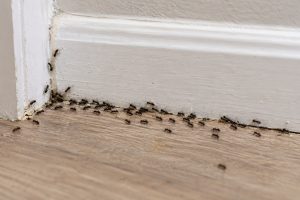
Ant colonies can also contain thousands of workers and may have nesting areas that are difficult to locate, making surface sprays and other DIY methods less effective for lasting control.
Professional ant extermination targets the areas where ants are travelling and nesting, helping control the colony rather than simply eliminating the ants you can see.
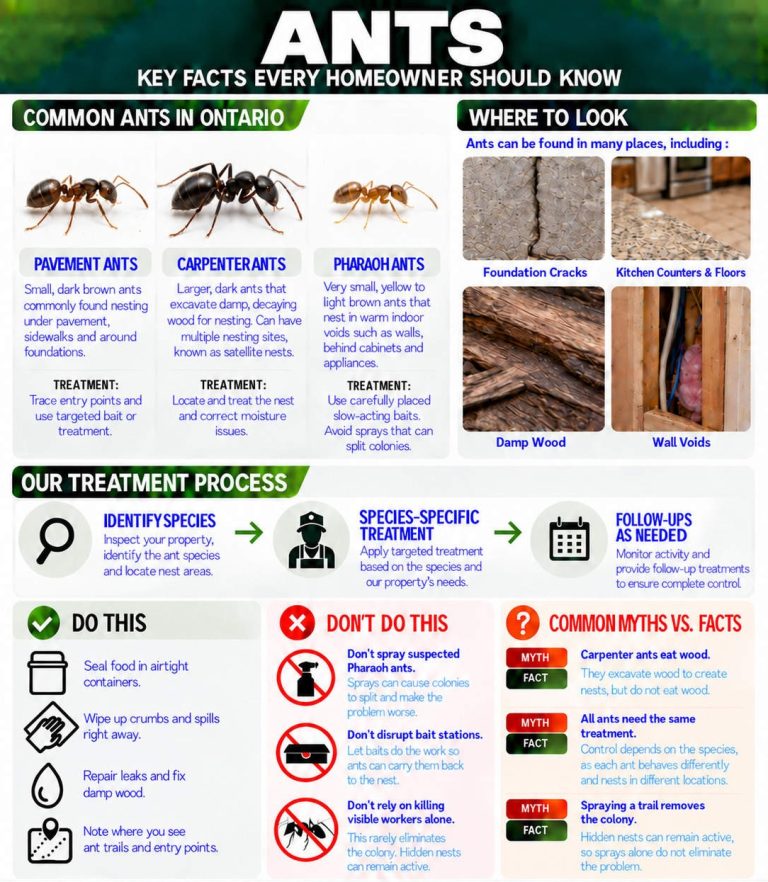
What can you expect from our Ant Extermination services?
Different ant species require different treatment methods, which is why correctly understanding the activity around your home matters. At Elite Pest & Wildlife Removal, our licensed pest control technicians have experience treating common ant problems in Ontario homes, varying from carpenter ants, pavement ants, and other household ants.
We use professional-grade products and targeted applications around nesting areas, trails, entry points, and other areas of activity. Along with treating the existing infestation, we provide practical recommendations to help reduce the moisture, food sources, and access points that can encourage ants to return.
Our ant extermination services include:
- Interior or exterior treatments
- Treatment solutions tailored to your specific infestation
- Warranty for treated areas (conditions may apply)
- Expert advice and prevention recommendations
Why Choose us for Ant Extermination?
Getting lasting control of an ant problem starts with understanding the species and where the colony is active.
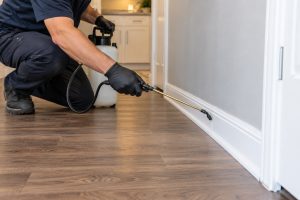
Our technicians are familiar with treating ants commonly found in Ontario and know how to identify trails, nesting areas, moisture sources, and likely entry points.
We use professional-grade products and targeted treatment methods based on the type of ant and location of the infestation. We also provide practical advice on reducing conditions that attract ants, helping homeowners address both the current activity and factors that could contribute to future problems.

- Reliable and Durable Solutions
- Safe for Children and Pets
- 100% Customer Satisfaction
- Fast Response Times
Get A Free Estimate
Wildlife Services:
Pest Services:
Frequently Asked Questions:
Professional ant treatment begins by identifying the type of ant and determining where the insects are travelling, feeding, entering, or nesting. A licensed pest control technician can then apply professional-grade products to targeted areas around the interior and exterior of the home. The exact treatment method depends on the ant species and conditions found at the property.
Yes. Identifying the species is an important part of choosing an effective treatment. Carpenter ants, pavement ants, pharaoh ants, and other household ants can have different nesting habits and may respond better to different products or application methods. This is one reason a treatment that works for one ant problem may not be appropriate for another.
This depends on the treatment being performed. For certain interior spray applications, occupants and pets may need to leave the home for a specified period. Bait-based or exterior-only treatments may have different requirements. Your technician will explain any preparation and re-entry instructions before treatment.
Household sprays may kill the ants that are visible without reaching the colony responsible for the ongoing activity. Ant nests can be concealed inside walls, beneath floors, outdoors, or in other difficult-to-access locations. Some products can also interfere with baiting strategies, so it is important to follow your technician’s instructions and avoid applying additional pesticides around professionally treated areas.
Spraying Pharaoh ants can actually make an infestation more difficult to control. When a colony is disturbed or exposed to certain repellent insecticides, the ants may respond by splitting into smaller colonies, a behaviour known as budding. These new colonies can spread into additional wall voids, rooms, or neighbouring units, potentially turning one concentrated infestation into several. Pharaoh ants are generally better controlled with a carefully planned baiting program, which allows worker ants to carry the bait back to the colony and share it with other ants. For this reason, correctly identifying Pharaoh ants before beginning treatment is especially important.
Carpenter ants do not eat wood, but they excavate it to create nesting galleries. They are particularly associated with wood affected by moisture or decay. Finding carpenter ants, coarse sawdust-like debris, or repeated activity around wooden areas may indicate that a nest should be investigated.
Our technicians follow careful application practices and provide instructions based on the products and treatment areas involved. Children and pets should be kept away from treated areas for the recommended period. For spray treatments, homeowners may be instructed to remain out of the treated space while the product dries. Always follow the specific instructions provided by your technician.
Yes, it is normal to still see some ants after treatment. Seeing some ant activity shortly after professional treatment does not necessarily mean the service has been unsuccessful. Ants that were hidden inside nests, walls, or other protected areas may continue travelling through treated locations. Avoid disturbing treated areas and follow the technician’s aftercare instructions.
The amount of time required depends on the species, size and location of the colony, and extent of the infestation. You may continue seeing some ants after treatment as workers travel through treated areas. Activity should generally decrease as the treatment reaches more of the colony.
Ants should be treated as soon as consistent activity is noticed. In Ontario, ant problems are particularly common from spring through fall as colonies become more active and workers search for food and water. Treating the problem early can help prevent the colony from expanding or establishing activity in additional areas of the home.