
admin · December 22, 2025
Last updated: October 22, 2026
Short answer: Yes, mice and rats chewing wires can cause a house fire. Rodents gnaw through the plastic sheathing on electrical cables, exposing bare copper inside walls, attics and basements. Exposed wires can short-circuit, arc or overheat next to dry insulation and nesting material. Damage is usually hidden until something stops working.
Why do mice and rats chew wires?
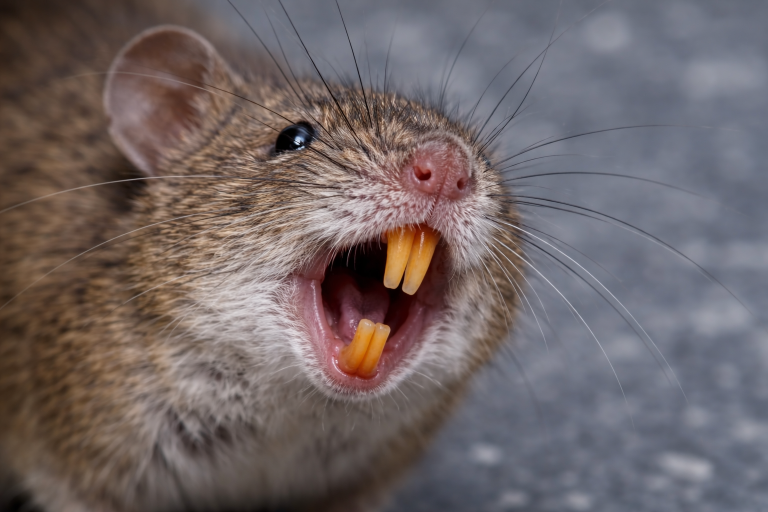
Rodent front teeth never stop growing, so mice and rats gnaw every day to keep them worn down. Wiring is soft, the right thickness, and runs along the same hidden routes rodents travel in walls and ceilings. They aren’t eating the wire. It’s simply in the way, and it’s satisfying to chew.
Can mice chewing wires really start a fire?
Yes. When insulation is chewed off a live wire, the exposed conductors can touch each other or nearby metal and spark. Inside a wall or attic, that spark can be right next to dry insulation, paper and shredded nesting material. Breakers don’t always trip on small arcs. That’s why any wiring damage found during rodent treatment should be checked by a licensed electrician.
What to do if you suspect chewed wiring: don’t open walls or touch damaged wires yourself. Call a licensed electrician to inspect it. Ontario requires electrical repairs to meet the Electrical Safety Authority’s rules. Then deal with the rodents so the damage doesn’t continue.
How can you tell if mice are chewing on wires?
Look for lights that flicker or circuits that stop working, outlets or switches that feel warm, and a faint burning-plastic smell. Check for chewed cable sheathing in the attic, basement ceiling or behind appliances. Droppings and gnaw marks near electrical panels, junction boxes or appliance cords are a strong warning sign.
Other places to check: – Appliance cords behind the fridge, stove and dryer – Low-voltage wiring: doorbells, thermostats, security cameras, internet cables – Vehicle wiring in garages, where rodents nest in engines (see The Dangers of Rodents Nesting in Your Garage or Car Engine)
How do rodents damage insulation?
Mice and rats tunnel through attic and wall insulation to build nests. They flatten it, pull it apart and soak it with urine and droppings. Compressed or soiled insulation loses much of its value, so the house can feel draftier and heating costs can rise. Heavily contaminated insulation often has to be removed and replaced.
What health risks come with rodent-damaged insulation?
Insulation contaminated with droppings and urine can hold bacteria and viruses that become airborne when disturbed. Don’t sweep, vacuum or pull out soiled insulation without protection. Wet droppings with disinfectant first. Large cleanups are best left to professionals with proper protective equipment. See What to Do If You Find Rodent Droppings.
How do you stop rodents from chewing wires?
Stop the rodents first. Wire protection on its own doesn’t solve the problem. Have the active population treated, seal entry points around pipes, vents and foundations once activity is under control, and remove food sources. Then have an electrician repair the damaged wiring. Sealing first can trap rodents inside walls, where they keep chewing.
Why act quickly?
Rodent damage gets worse every week. A few mice can become dozens within a couple of months, and every new mouse adds more gnawing and more contamination. Early treatment limits repair costs and fire risk.
Get help in Hamilton and surrounding areas
Elite Pest & Wildlife handles mice and rat control across Hamilton, Stoney Creek, Ancaster, Dundas, Waterdown, Burlington, Oakville and the Niagara Region. We inspect for nests and entry points, set tamper-resistant bait stations, and show you what to seal. Mice and rat control typically costs $279 to $549 plus HST, with a one-year warranty option for mice. Mice and rat control · Price guide · Call (289) 799-8718
FAQ
Can mice chewing wires cause a fire?
Yes. Chewed sheathing exposes live conductors that can arc or overheat beside dry insulation and nesting material. Have damaged wiring checked by a licensed electrician and deal with the rodents so it doesn’t keep happening.
Why do rats chew wires?
A rat’s front teeth grow continuously, so it gnaws constantly to keep them short. Wires run along the hidden routes rats travel and are the right size and texture to chew.
How do I know if mice chewed my wires?
Watch for flickering lights, dead outlets, breakers tripping, a burning-plastic smell, or chewed cable jackets in the attic, basement or behind appliances, especially near droppings.
Does homeowner insurance cover rodent wire damage?
Policies vary, and many exclude damage from rodents or vermin. Check your policy and ask your insurer before repairs begin.