
admin · September 4, 2026
Strong windstorms can leave behind more than fallen branches and damaged shingles. They can also create new openings that allow raccoons, squirrels, birds, bats, and other wildlife to enter your home. A roof vent that was secure before a storm may become loose, a soffit panel can shift, or damaged fascia can expose a gap leading directly into the attic.
For homeowners in Hamilton and surrounding Southern Ontario communities, checking for wildlife vulnerabilities should be part of your post-storm routine. Animals are constantly searching for safe, sheltered places to rest and nest. When a windstorm suddenly creates an opening, wildlife may discover it surprisingly quickly.
Knowing what to inspect after severe weather can help you catch damage before an animal turns a small exterior problem into an attic infestation. Here is what homeowners should know about protecting their properties from wildlife after a windstorm.
Why Windstorms Increase the Risk of Wildlife Entry
Most animals do not need a large opening to get into a house. Some wildlife species can use surprisingly small gaps, while larger animals such as raccoons are strong enough to enlarge existing weaknesses.
Windstorms create ideal opportunities by loosening or damaging exterior building materials. Strong gusts can lift shingles, pull soffit panels out of position, damage vents and loosen flashing. Tree limbs can also strike the roof and create damage that may not be visible from ground level.
Once the storm passes, the damaged area can become an attractive entrance. An attic provides exactly what many animals are looking for: protection from weather, relative quiet, warmth and a secure location away from predators. If an animal discovers easy access, it may begin using the space before the homeowner even realizes the building has been damaged.
Check Your Soffits After High Winds
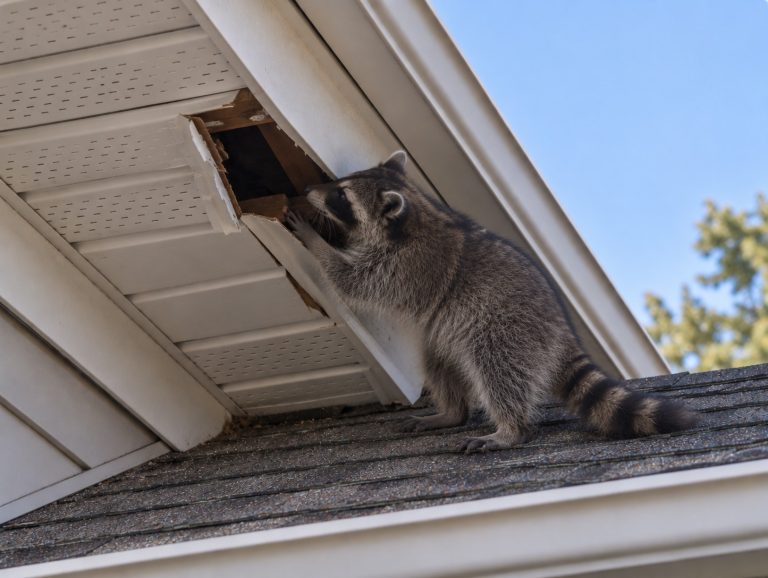
Soffits are particularly vulnerable during strong windstorms. These panels cover the underside of the roof overhang and help protect the attic while allowing proper ventilation. A powerful gust can loosen an aluminum or vinyl soffit panel and leave a narrow opening along the roofline. From the ground, the damage may look minor. To a squirrel or raccoon, however, that opening can provide an opportunity to get inside.
Raccoons are particularly capable of taking advantage of damaged soffits. Their strength and dexterity allow them to pull at loose materials and enlarge openings. Squirrels may also chew around an existing gap until it is large enough to enter.
After a storm, walk around your property and look at the underside of your roofline from a safe position. Watch for sagging, missing or displaced soffit panels. Dark gaps along the edges or corners of the roof should also be investigated. Avoid climbing onto the roof yourself, especially immediately following a storm when surfaces may be wet or damaged.
Inspect Roof Vents for Storm Damage
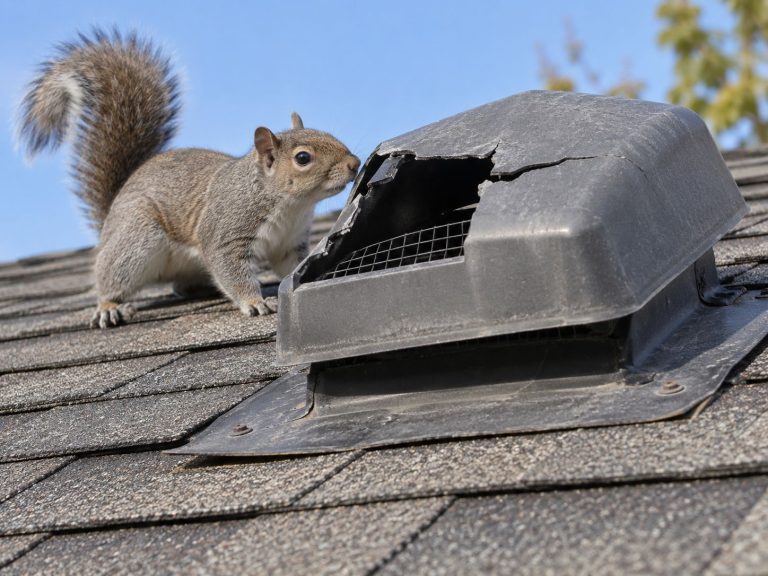
Roof vents are another common wildlife entry point. Many residential roof vents have plastic or lightweight metal components that deteriorate with age and exposure to weather. High winds can crack a weakened vent, loosen its cover or pull it partially away from the roof.
A damaged vent can give squirrels and raccoons direct access to the attic. Squirrels are also persistent chewers. If a windstorm damages the edge of a vent but does not completely expose the attic, a squirrel may finish the job by chewing through weakened material.
Look for vent covers that appear crooked, cracked, raised or missing. If you notice an obvious change after a storm, have the area inspected before animals discover it. Wildlife-resistant vent protection can also help reinforce vulnerable vents and reduce the chance of future entry.
Look for Damaged Fascia and Roof Edges
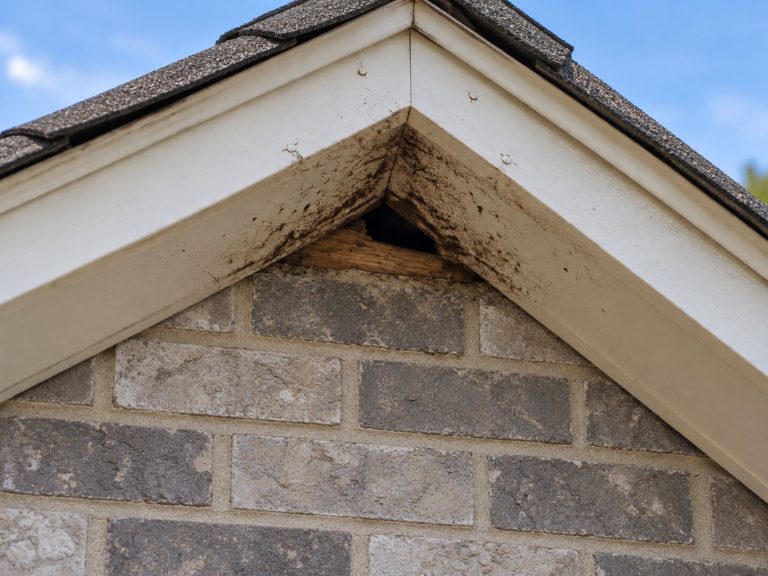
Fascia boards run along the edge of the roof and help support the gutter system while closing off portions of the roofline. Strong winds, falling branches and damaged gutters can pull fascia away from the structure. Even a relatively small separation can expose the space behind the fascia.
Older wooden fascia may be especially vulnerable if moisture has caused deterioration. Once damaged wood is exposed, squirrels can chew through it more easily, while raccoons may be able to pull weakened sections apart. Pay particular attention to roof corners, gutter attachment points and areas where fascia meets soffits. These intersections are already common wildlife entry locations, and storm damage can make them even easier to access.
Check for Missing or Lifted Shingles
Not every missing shingle creates an immediate wildlife entrance, but roof damage should never be ignored. Wind can lift shingles and expose roof decking. If the wood underneath is already damaged or deteriorated, wildlife may be able to enlarge the vulnerable area. Raccoons can be surprisingly destructive when they are motivated to enter an attic. Once they find a weakened roof section, they may tear at shingles or roofing materials until they create enough room to enter.
Missing shingles can also lead to water infiltration. Moisture can weaken wood over time, making the area even more susceptible to future wildlife damage. A qualified roofing professional should address roofing damage, while a wildlife technician can determine whether animals have already taken advantage of the opening.
Pay Attention to Chimneys and Flashing
Chimneys are another area that should be checked following severe weather. A strong windstorm may damage or dislodge a chimney cap. Without a secure cap, the chimney can become accessible to birds, raccoons and other wildlife.
Flashing around chimneys can also loosen. While a small flashing problem may initially seem like a roofing concern, gaps around the chimney can sometimes provide wildlife with access to hidden areas of the structure. If your chimney cap is missing or visibly damaged after a storm, have it repaired or replaced promptly.
Falling Branches Can Create New Access Points
Mature trees are common throughout Hamilton, Burlington, Ancaster, Stoney Creek and other communities in Southern Ontario. During a major windstorm, these trees can cause considerable damage. A branch hitting the house may crack a vent, damage shingles or break soffit and fascia materials. Even branches that do not fall completely can scrape against the roof and damage exterior components.
After a storm, look for broken branches resting against or hanging above your roof. Tree limbs that remain close to the house can also give squirrels easier access. A squirrel can travel from a tree onto the roof and quickly investigate any storm-created openings. Regularly trimming branches away from the roofline can help reduce both storm damage and wildlife access.
Watch for Signs of Wildlife in the Days Following a Storm
Exterior damage is not always obvious. Sometimes the first indication of a problem is a new sound coming from the attic. Pay attention to scratching, scurrying, thumping or movement above ceilings and inside walls. The timing of the noise can sometimes provide clues about the animal involved. Squirrels are typically more active during daylight hours, particularly in the morning and later afternoon. Raccoons are primarily nocturnal, so heavier movement at night may indicate raccoon activity. Bats may become noticeable around dusk as they leave a structure to feed.
You may also notice droppings, disturbed insulation, nesting material or unusual odours inside the attic. Outside, look for bent building materials, chew marks, animal hair around an opening or repeated wildlife activity near one section of the roof.
Do Not Immediately Seal an Opening if Wildlife May Be Inside
Finding a hole after a storm often leads homeowners to one understandable reaction: seal it as quickly as possible. That can create a much larger problem if an animal is already inside. Sealing an active wildlife entry point can trap an adult animal in the attic. The animal may then cause additional damage while attempting to escape. In some situations, sealing an opening can also separate a mother from their dependent young.
This is particularly important during wildlife baby seasons. Before repairing a suspected entry point, determine whether it is actively being used. A professional wildlife inspection can identify signs of activity and establish an appropriate removal strategy before permanent repairs are completed.
Why Raccoons Take Advantage of Storm Damage
Raccoons are among the strongest animals commonly found around residential homes. They do not always need a fully open hole to enter. A partially detached soffit, weakened roof vent or loose fascia board may be enough to attract their attention. Once a raccoon begins pulling at the area, minor storm damage can become a substantial opening.
Attics provide excellent denning locations, particularly for female raccoons raising young. The sheltered environment protects them from rain, predators and human activity. Because raccoons can cause considerable damage to insulation, ductwork and building materials, early intervention is important.
Squirrels Can Turn Tiny Openings Into Attic Entrances
Squirrels approach structural weaknesses differently. Rather than relying primarily on strength, they use their powerful teeth. Their incisors grow continuously, which means chewing is a natural part of squirrel behaviour. Wood, plastic vents and other building materials can all be damaged.
A small opening created by wind damage may therefore become a larger entrance after a squirrel discovers it. Once inside an attic, squirrels may damage insulation and stored materials. Chewing around electrical wiring is another concern. Repairing storm damage promptly helps prevent small vulnerabilities from developing into established squirrel entry points.
Birds May Nest in Newly Opened Vents and Soffits
Birds are also quick to take advantage of sheltered openings. A damaged soffit, vent or exterior cavity can provide an attractive nesting location. Birds may carry grass, twigs, feathers and other nesting material into the opening.
Vent nesting can become particularly problematic when debris restricts airflow. Depending on the location and species involved, removal may also require consideration of active nests, eggs or young birds. The easiest approach is prevention. Securing damaged exterior areas before birds establish a nest can save considerable trouble later.
Bat Entry Points Can Be Extremely Subtle
Bat problems can be harder to identify because bats use much smaller openings than raccoons or squirrels. Wind damage can shift flashing, fascia, soffits or other roofline components just enough to expose a narrow gap. To a homeowner standing on the ground, it may appear insignificant. For a bat, it may be enough to access the structure.
If you regularly notice bats flying very close to one section of your roof around sunset, professional inspection may be worthwhile. Bat exclusion also requires careful timing, particularly when a maternity colony may be present. Simply sealing suspected gaps without determining whether bats are inside can trap animals in the structure.
Inspect Garages, Sheds and Other Structures
Your house should not be the only building inspected after a windstorm. Detached garages and sheds often have lighter construction and may suffer damage more easily. Loose siding, damaged roof edges, broken vents and doors that no longer close correctly can create opportunities for wildlife.
Animals establishing themselves in an outbuilding can eventually become a problem closer to the house as well. Inspect these structures at the same time you check the main residence.
Clean Up Storm Debris Around the Property
Storm cleanup can also help make the property less attractive to animals. Fallen branches, piles of leaves and damaged materials can create temporary hiding places. Garbage bins may also be overturned during severe weather, leaving food accessible to raccoons, rats and other animals.
Remove debris when it is safe to do so and secure garbage containers again as soon as possible. Check sheds and garages for damaged doors, and make sure pet food, bird seed and other potential food sources remain securely stored. The goal is to remove both shelter and food opportunities while structural repairs are being completed.
Prevention Is Better Than Waiting for Wildlife to Move In
Post-storm inspections are useful, but preventative wildlife exclusion can provide stronger long-term protection. Roof vents can be reinforced with wildlife-resistant screening or covers. Vulnerable soffit areas can be secured, chimney caps can protect open chimneys, and structural gaps around the roofline can be repaired before animals discover them.
The condition of these materials should still be checked periodically. Even professionally secured areas can be affected by falling trees, major storms or unrelated structural damage. Think of wildlife prevention as part of routine exterior home maintenance. The sooner weaknesses are identified, the less opportunity animals have to exploit them.
When to Schedule a Wildlife Inspection After a Windstorm
Not every storm requires a professional wildlife inspection. If your home appears undamaged and you have noticed no signs of animal activity, routine monitoring may be enough. An inspection becomes more important when you see damaged soffits, broken vents, missing exterior materials or suspicious roofline openings. New noises in the attic, wildlife repeatedly approaching the roof, droppings or visible animal entry are stronger reasons to have the property checked.
A professional wildlife technician can identify both active entrances and secondary vulnerabilities that may be difficult to see from the ground. This is particularly valuable after severe weather because one storm can create multiple weak points around the same structure.
Protect Your Hamilton Home After the Next Windstorm
Windstorms can change the condition of a home in a matter of minutes. A soffit, vent or section of fascia that kept animals out for years can suddenly become an easy entrance for raccoons, squirrels, bats or birds.
After severe weather, inspect your property from the ground, watch for new signs of wildlife activity and arrange repairs promptly. Most importantly, do not seal an opening if there is a possibility that an animal or dependent young are already inside.
If you’ve noticed storm damage, unusual attic noises or a potential wildlife entry point, Elite Pest & Wildlife can help. Our wildlife technicians can inspect your home, identify active and potential entry points, develop a humane removal plan when animals are present, and provide exclusion work to help prevent them from getting back inside.
Book a wildlife inspection with Elite Pest & Wildlife today to protect your home before storm damage turns into a wildlife problem.