
admin · January 26, 2026
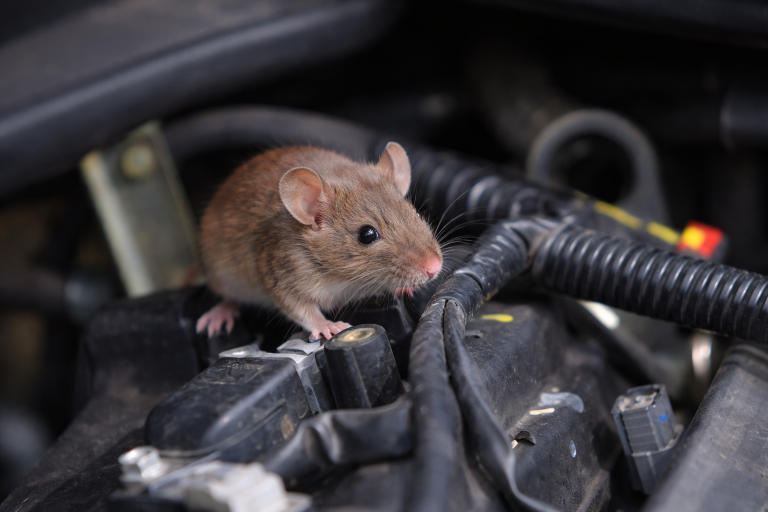
Rodents are incredibly resourceful when it comes to finding shelter, especially when temperatures drop or food sources shift. For many homeowners, the garage becomes an unintended welcome mat. Even more alarming, mice and rats frequently nest inside car engines, turning everyday vehicles into hiding places filled with serious risks.
What starts as a few droppings on the garage floor or an unusual smell under the hood can quickly turn into expensive repairs, safety hazards, and health concerns. Rodents nesting in garages or vehicle engines are not just a nuisance. They create real dangers that should never be ignored.
Understanding why rodents choose these spaces, what damage they cause, and how to prevent infestations can save homeowners from costly consequences.
Why Rodents Are Attracted to Garages and Vehicles
Garages and vehicles provide everything rodents look for in a nesting site.
Warmth and Shelter
Garages are often warmer than the outdoors, especially in fall and winter. Vehicles retain heat after driving, making engine compartments particularly attractive. The warmth helps rodents conserve energy and survive cold temperatures.
Protection From Predators
Garages offer enclosed, quiet spaces where rodents can hide safely. Inside a car engine, they are nearly impossible for predators to reach.
Easy Access
Garages frequently have gaps around doors, utility lines, or foundations. Rodents can enter through openings most homeowners never notice. Once inside, climbing into a vehicle engine is easy.
Nesting Materials
Rodents shred insulation, paper, cardboard, seat padding, and debris to build nests. Garages often contain stored items that provide perfect nesting material.
Common Rodents Found in Garages and Car Engines
Several species commonly nest in garages and vehicles.
Mice
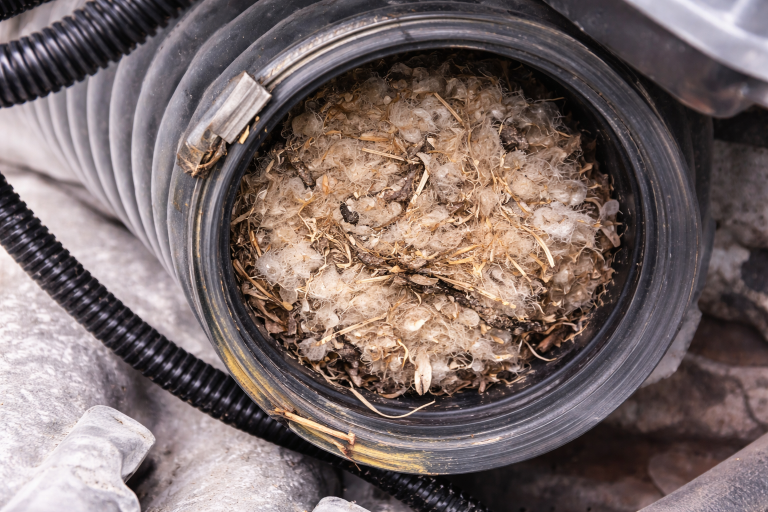
Mice are the most frequent culprits. They can squeeze through openings as small as a dime and often build nests inside engine compartments, air filters, and glove boxes.
Rats
Rats require slightly larger entry points but cause more extensive damage. They are powerful chewers and can destroy wiring quickly.
Squirrels
In some cases, squirrels enter garages or chew into vehicle compartments, especially when cars are parked outdoors or near trees.
Why Car Engines Are a Serious Target
Modern vehicles unintentionally attract rodents due to materials used in manufacturing.
Soy-Based Wiring
Many car manufacturers use soy-based or plant-derived coatings on electrical wiring. These materials smell appealing to rodents and encourage chewing.
Confined, Protected Space
Engine compartments provide tight, protected areas that rodents prefer for nesting and hiding.
Heat Retention
Engines stay warm long after the vehicle is turned off, making them an ideal refuge during cold nights.
Damage Caused by Rodents in Garages
Rodents nesting in garages create problems beyond the garage itself.
Property Damage
Rodents contaminate stored items with droppings and urine, often ruining belongings permanently. They chew:
- Cardboard boxes
- Stored furniture
- Insulation
- Plastic containers
- Wooden shelving
Structural Damage
Rodents may chew drywall, wooden framing, and door seals. Over time, this creates new entry points and allows rodents to spread into the home.
Fire Risk
Chewed electrical wiring in garages increases the risk of electrical fires, especially if power tools, appliances, or charging stations are present.
The Hidden Dangers of Rodents in Car Engines
Rodents inside vehicles pose some of the most serious risks.
Electrical Failures
Chewed wiring can cause:
- Engine misfires
- Warning lights to activate
- Battery drain
- Complete engine failure
In some cases, damage is not immediately obvious, leading to breakdowns while driving.
Safety System Malfunctions
Rodents can damage wiring connected to:
- Airbags
- Anti-lock braking systems
- Sensors and cameras
This creates serious safety hazards that may not be detected until an emergency occurs.
Costly Repairs
Repairing rodent damage inside a vehicle can cost hundreds or thousands of dollars. Insurance coverage varies, and many policies do not fully cover rodent-related repairs.
Health Hazards
Rodent droppings, urine, and nesting material inside air intake systems can contaminate cabin air, exposing occupants to harmful particles.
Health Risks Associated With Rodent Nesting
Rodents carry bacteria, viruses, and parasites that pose health risks.
Contamination
Droppings and urine contaminate surfaces in garages and vehicles. Cleaning without proper protection can release airborne particles.
Parasites
Fleas, mites, and ticks often travel with rodents and can spread into vehicles and homes.
Air Quality Issues
Nesting material and waste inside ventilation systems can affect air quality, triggering allergies and respiratory issues.
Signs Rodents May Be Nesting in Your Garage or Vehicle
Early detection is critical.
Common Warning Signs
- Droppings on garage floors or shelves
- Shredded paper, insulation, or fabric
- Chewed packaging or wiring
- Strange smells in the garage or vehicle
- Nesting material under the hood
- Warning lights appearing unexpectedly
- Scratching or rustling noises
If any of these signs appear, action should be taken immediately.
Why DIY Prevention Often Falls Short
Homeowners often try repellents or traps once rodents are noticed. These methods rarely solve the problem long-term.
Common Issues With DIY Solutions
- Repellents lose effectiveness quickly
- Traps do not address entry points
- Rodents adapt to deterrents
- New rodents continue entering
Without sealing access points and removing attractants, rodents will return.
How Professional Rodent Control Protects Garages and Vehicles
Professional rodent control focuses on prevention as much as removal.
Effective Strategies Include
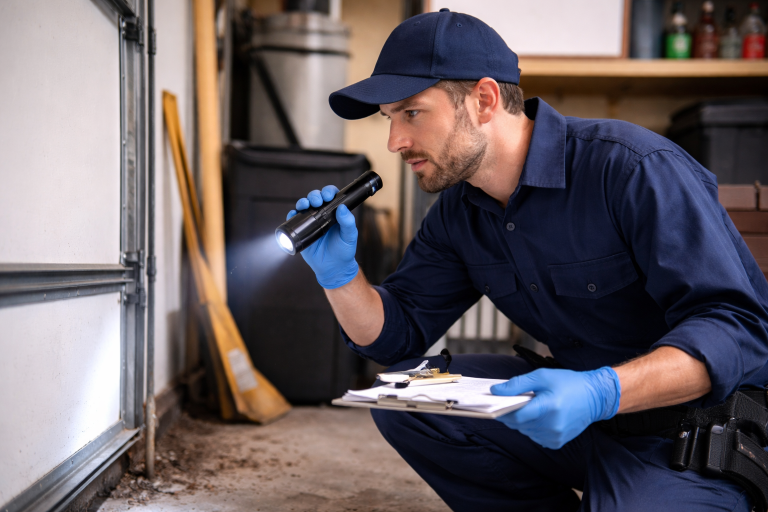
- Full inspection of garage and surrounding structure
- Identifying and sealing entry points
- Safe rodent removal methods
- Recommendations to reduce attractants
- Long-term exclusion solutions
Professionals understand rodent behaviour and target the problem at its source.
Preventing Rodents From Returning
Consistency is key to keeping rodents out. Long-term prevention requires a few key steps.
Helpful Prevention Measures
- Seal gaps around garage doors and foundations
- Store items in sealed plastic containers
- Avoid leaving pet food or birdseed in garages
- Keep garages clean and organized
- Trim vegetation away from garage structures
- Schedule regular inspections
Stop Rodents Before They Cause Damage
Rodents nesting in garages and car engines are more than a minor inconvenience. They create safety risks, expensive repairs, and serious health concerns if left untreated. If you’ve noticed droppings, strange smells, or unexplained vehicle issues, rodents may already be present.
Book a professional rodent service with Elite Pest and Wildlife Removal to remove rodents safely, protect your garage and vehicles, and prevent costly damage before it starts.