Skip to content

When wildlife enters a home, the goal should be to remove the animals safely while preventing them from returning. Raccoons, squirrels, skunks, and other wildlife are resourceful animals that can cause significant damage when they gain access to attics, walls, roofs, or spaces beneath decks and sheds. Attempting to remove them without a proper plan can make the situation worse, particularly when young animals are involved.
One of the most effective methods of humane wildlife removal is the installation of a professionally designed one-way door system. These specialized devices allow animals to leave a structure naturally while preventing them from using the same opening to get back inside.
For homeowners in Hamilton and surrounding areas, one-way doors are an important part of professional wildlife exclusion. When installed correctly and combined with proper sealing and reinforcement, they can provide a long-term solution to recurring wildlife problems. Understanding how these systems work and why professional installation matters can help homeowners protect their properties while ensuring animals are treated humanely.
What Is a One-Way Door System?
A one-way door system is a specialized wildlife exclusion device installed over an active entry point. Its purpose is to allow animals to exit a building while preventing them from returning through the same opening.
These devices are designed according to the species being removed, taking into consideration the animal’s size, strength, climbing ability, and behaviour. A one-way door used for squirrel removal, for example, may look and function differently from one designed for raccoons or skunks.
Unlike traditional trapping methods, one-way doors take advantage of natural wildlife behaviour. Animals regularly leave their nesting areas to search for food, water, and other resources. When they exit through the device, its design prevents them from reopening the entrance from outside.
This approach allows wildlife to leave without being physically captured or handled. However, it is essential to confirm that no dependent young or other animals will be left behind before the system is installed. When used under the right circumstances, one-way doors provide an effective and humane method of wildlife removal.
Why One-Way Doors Are Important for Humane Wildlife Removal
Wildlife frequently enters residential properties in search of shelter, particularly during breeding seasons or periods of extreme weather. Attics, roof cavities, chimneys, and spaces beneath decks provide protection from predators and outdoor conditions. Raccoons and squirrels are especially known for using attics as nesting locations. Skunks may establish dens beneath sheds, porches, and decks, while other animals can take advantage of openings around foundations and exterior structures.
Removing these animals without understanding their behaviour can lead to unnecessary stress, injury, or separation from dependent young. This is why humane wildlife removal requires more than simply forcing an animal out of its hiding place. One-way doors provide a controlled exit that allows animals to leave on their own. Because the animals are not being chased, cornered, or physically handled, the risk of aggressive encounters can be reduced.
This approach also helps minimize damage to the property. When wildlife has a clear exit route, there is less need for invasive removal methods that could disturb building materials or create additional openings. The effectiveness of a one-way door depends on proper installation, the absence of dependent young, and ensuring that all animals can safely exit.
Why You Should Never Seal Wildlife Entry Points Too Early
One of the most common mistakes homeowners make is sealing an entry point immediately after discovering wildlife activity. Although closing the opening may seem like the quickest solution, doing so without confirming that the animals have left can create serious problems.
If a raccoon or squirrel becomes trapped inside an attic, it may attempt to escape by chewing, scratching, or tearing through surrounding building materials. This can result in damage to insulation, drywall, soffits, and other structural components.
Animals trapped inside walls or roof cavities may also become distressed or injured. In some cases, an animal that cannot escape may die in an inaccessible location, resulting in unpleasant odours and additional cleanup concerns.
The situation becomes particularly concerning during baby season. If a mother animal is outside when the entrance is sealed, her young may remain trapped inside. The mother may then aggressively attempt to reopen the entrance or create a new opening to reach them.
A properly installed one-way door helps prevent these situations by providing an exit before permanent repairs are completed. However, a professional must first determine whether the device is appropriate for the animals occupying the space.
How One-Way Doors Help Prevent Wildlife From Returning
Wildlife often returns to locations where it has previously found suitable shelter. Once a raccoon or squirrel discovers an accessible attic, it may continue using that space as long as the entrance remains available. Simply frightening an animal away does not address the reason it entered the building.
If the opening remains accessible, the animal may return once the disturbance has passed. One-way doors help interrupt this pattern by allowing the animal to leave while preventing it from returning through the original entrance.
However, wildlife can be persistent. A raccoon that has been excluded from an attic may investigate nearby soffits, roof vents, or other vulnerable areas. Squirrels may also search for alternative openings along the roofline. For this reason, one-way doors are most effective when combined with a thorough exterior inspection and proper exclusion work. Reinforcing vulnerable areas and permanently sealing the original entrance after the animals have left helps reduce the likelihood of future infestations.
Why Professional One-Way Door Installation Matters
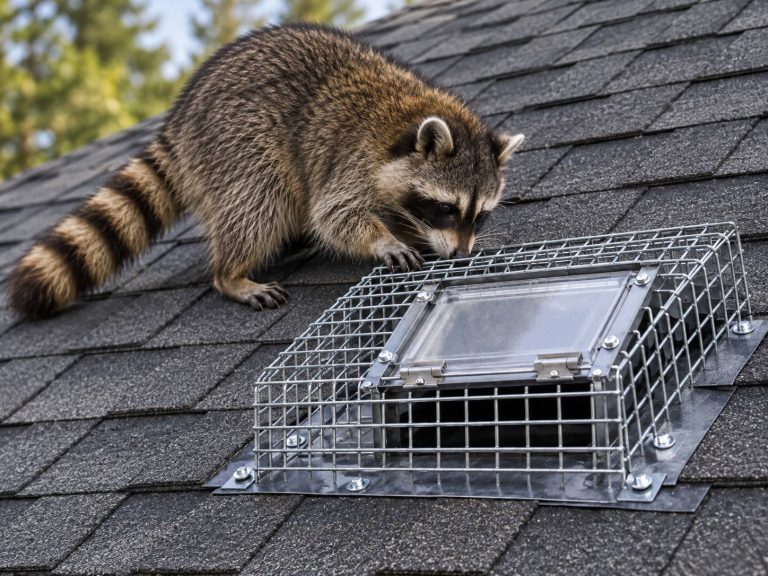
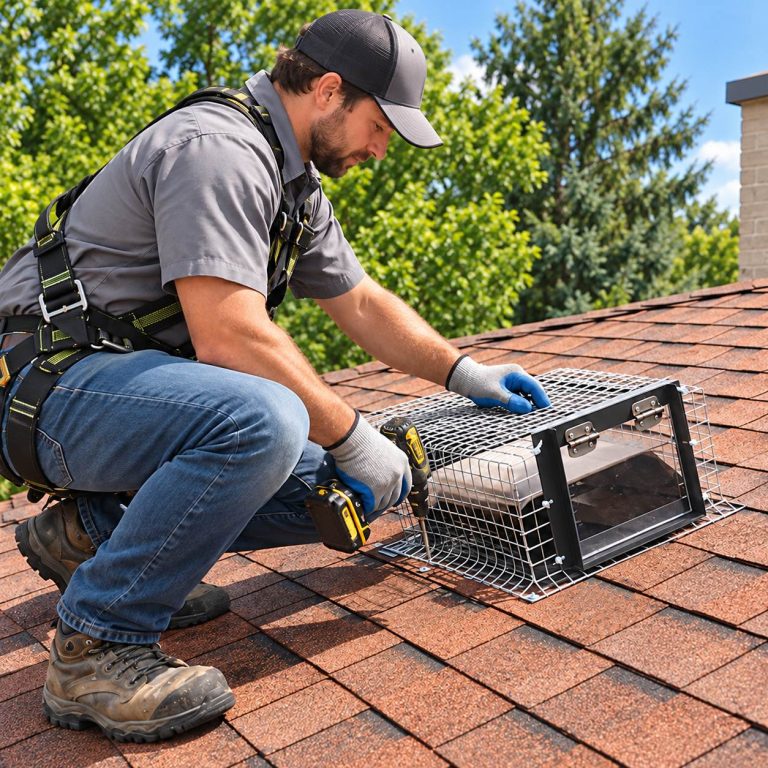
Installing a one-way door involves more than attaching a piece of wire mesh over an opening. The device must be appropriate for the species, securely mounted, and positioned so that animals can exit without becoming trapped or injured. Wildlife can be surprisingly strong and determined when attempting to access a familiar nesting location. Raccoons may pull at loose materials, while squirrels can chew through vulnerable sections of wood or other building components.
If a one-way door is poorly secured, an animal may be able to dislodge it or create an opening around its edges. Incorrect positioning can also prevent the device from functioning properly. Professional wildlife technicians assess the entry point and surrounding structure before choosing the appropriate installation method. They consider the animal’s behaviour, the condition of the building materials, and whether other accessible openings need to be addressed. Proper installation helps ensure that the system remains secure throughout the exclusion process and that wildlife cannot simply bypass it.
Different Wildlife Species Require Different One-Way Doors
Not all wildlife behaves the same way, which is why one-way door systems must be selected according to the animal involved.
Raccoons are relatively large, strong animals capable of pulling apart weak materials. A one-way door designed for raccoon exclusion generally requires durable wire mesh, secure mounting, and sufficient space for the animal to exit comfortably. The surrounding roof or soffit area may also need reinforcement to prevent the raccoon from creating another opening.
Squirrels present different challenges because of their smaller size, agility, and ability to chew through certain materials. Squirrel exclusion devices must be positioned carefully over the active entrance and secured to prevent the animals from slipping around the edges.
Skunk removal typically involves ground-level exclusion. When skunks establish dens beneath decks, sheds, or porches, a one-way door may be incorporated into an exclusion barrier made from animal-resistant wire mesh. The barrier must be installed properly to prevent skunks from digging beneath it.
Other wildlife species, including birds and bats, may require specialized exclusion methods based on their behaviour and applicable wildlife regulations. A device suitable for a raccoon should not automatically be used for another species. Choosing the correct system is essential for both successful removal and animal safety.
Why Timing Matters for Humane Wildlife Exclusion
The time of year plays an important role in determining whether a one-way door can be installed safely. During spring and early summer, many wildlife species give birth and raise their young inside protected nesting areas. Raccoons commonly use attics during the spring, while squirrels may have litters during both spring and late summer or early fall.
Skunks also establish maternity dens during the warmer months, often beneath sheds, decks, and other ground-level structures. Installing a one-way door while dependent young remain inside can separate them from their mother. Young animals may be unable to leave through the device, even if an adult can exit without difficulty. A mother that cannot return to her young may become distressed and attempt to force her way back into the structure, potentially causing additional property damage.
Professional wildlife removal technicians consider breeding seasons, animal behaviour, and evidence of young before recommending an exclusion method. When dependent babies are present, a different removal strategy or delayed exclusion may be necessary. The goal is to ensure that the entire animal family can be removed safely before the entrance is permanently closed.
One-Way Doors Are Only One Part of Wildlife Exclusion
Although one-way doors are highly effective when used correctly, they are not intended to remain installed permanently in most situations. After the animals have exited and the technician has confirmed that the space is clear, the device can be removed. The original entry point must then be sealed using durable materials appropriate for the location.
For example, a damaged roof vent may require a protective wildlife-resistant cover, while a compromised soffit may need structural repairs and reinforcement. Openings beneath decks or sheds may require properly installed wire mesh barriers to prevent animals from digging underneath.
Additional vulnerabilities around the property should also be inspected. Wildlife may attempt to access nearby openings after being excluded from its original nesting location. A complete wildlife exclusion service addresses both the active infestation and the structural conditions that allowed it to develop. Without permanent repairs, even a successful one-way door installation may provide only temporary relief.
The Risks of DIY One-Way Door Installation
Some homeowners attempt to construct one-way doors using hardware store materials, wire mesh, or homemade frames. Although these devices may appear straightforward, improper installation can create problems for both the animals and the property. A makeshift door that is too small may prevent an animal from exiting comfortably, while sharp edges or poorly positioned components can cause injuries. Insecure mounting may allow wildlife to pull the device loose or create another opening.
There is also the risk of installing a door over the wrong entrance. Wildlife may use several access points, and an opening that appears active may not be the primary route into the structure. The greatest concern is installing an exclusion device without checking for dependent young. If babies remain inside, a homemade one-way door can prevent the mother from returning to care for them.
Accessing rooflines and attic entrances can also be dangerous, particularly when ladders, steep roofs, or damaged building materials are involved. Professional wildlife removal helps reduce these risks through proper inspection, species identification, and installation techniques.
Wildlife Removal Laws and Humane Practices in Ontario
Wildlife removal in Ontario is subject to provincial regulations intended to protect animals and promote responsible wildlife management. Under Ontario’s Fish and Wildlife Conservation Act and related regulations, certain activities involving the capture, handling, and relocation of wildlife are restricted. The rules can vary depending on the species, circumstances, and removal method.
Homeowners should not assume that wildlife can be trapped, transported, or relocated wherever they choose. Improper relocation may be unlawful and can expose animals to unfamiliar environments, competition, and other survival challenges.
One-way door systems can provide an alternative to trapping and relocation by allowing animals to leave a structure naturally. However, these devices must still be used responsibly, particularly when dependent young may be present. Some species, including certain bats and birds, are subject to additional legal protections that may affect when and how exclusion work can be performed. Working with an experienced wildlife removal company helps ensure that the removal strategy considers animal welfare and applicable Ontario wildlife regulations.
How One-Way Doors Can Reduce Long-Term Wildlife Damage
Wildlife intrusions can become expensive when animals remain inside a structure for extended periods. Raccoons may damage roof vents, soffits, and insulation while establishing nesting areas. Squirrels can chew wood and electrical wiring, while skunks may disturb soil and damage areas beneath decks or sheds through repeated digging. The longer animals occupy these spaces, the greater the potential for additional damage and contamination.
Professional one-way door installation, combined with permanent exclusion repairs, can help reduce the likelihood of repeated infestations and associated repair expenses. Although professional wildlife exclusion requires an upfront investment, addressing the original entry point and reinforcing vulnerable areas may prevent homeowners from paying for repeated removal services or ongoing structural repairs.
Signs Your Home May Need a One-Way Door System
Wildlife activity is not always immediately visible. Many homeowners first suspect an intrusion after hearing unusual noises coming from the attic, walls, or roof. Scratching, scurrying, thumping, or chewing sounds may indicate that an animal has entered a concealed space. The timing and intensity of these noises can sometimes provide clues about the species involved.
Exterior damage is another common warning sign. Torn soffits, displaced roof vents, chewed fascia boards, and openings along the roofline can all indicate wildlife activity. Homeowners may also notice raccoons repeatedly climbing onto the roof, squirrels entering the same opening, or skunks frequently travelling beneath a deck or shed.
Strong odours, disturbed insulation, and nesting debris can provide additional evidence that animals have established themselves inside. When these signs appear, a professional inspection can determine whether a one-way door is appropriate or if another removal method is required.
Why a Professional Wildlife Inspection Should Come First
Before installing a one-way door, it is important to understand how the animals are accessing the property and whether they are still occupying the space. A professional wildlife inspection focuses on identifying the species involved, locating active entry points, and assessing the surrounding structure for damage or vulnerabilities.
Technicians may examine roof vents, soffits, fascia boards, attic openings, and other exterior areas where wildlife commonly enters. For ground-dwelling animals such as skunks, the inspection may focus on spaces beneath decks, sheds, and porches. The technician must also consider whether young animals are present. This is particularly important during breeding seasons, when an adult may leave the nesting area temporarily while dependent babies remain behind.
Once the inspection is complete, an appropriate removal and exclusion plan can be developed. This may involve installing a one-way door, addressing secondary openings, monitoring animal activity, and completing permanent repairs after the space is confirmed clear. Taking the time to inspect the property properly helps avoid unnecessary complications and improves the chances of long-term success.
Protect Your Hamilton Home With Professional Wildlife Exclusion
Wildlife problems require more than temporary deterrents or quick repairs. Raccoons, squirrels, skunks, and other animals can be persistent once they discover a safe nesting location, making proper exclusion an important part of protecting your property. One-way door systems offer an effective and humane method of wildlife removal when installed under the right conditions. By allowing animals to leave naturally while preventing re-entry, these devices help resolve active intrusions without unnecessary trapping or handling.
However, successful wildlife control does not end when the animals leave. Permanent sealing, structural reinforcement, and inspection of additional vulnerabilities are essential for reducing the risk of future infestations. If you’re hearing animals in your attic, noticing damage around your roofline, or suspect wildlife is living beneath your deck or shed, Elite Pest & Wildlife can help.
Our experienced wildlife removal technicians provide professional inspections, one-way door installation, and humane wildlife exclusion services throughout Hamilton, Ancaster, Stoney Creek, Dundas, Burlington, and surrounding Southern Ontario communities. Reach out to our team at Elite Pest & Wildlife to book a wildlife inspection and learn how professional one-way door installation can help protect your home while keeping wildlife safe.