admin · December 5, 2025
Pest control is an area where misinformation spreads quickly. Homeowners often turn to online advice, social media tips, or stories from neighbours that sound convincing but create more problems than they solve. These myths can make infestations worse, delay proper treatment, and give pests more time to multiply. Understanding what is true and what is not is one of the most effective ways to protect your home, your health, and your property.
Here are the top 10 pest control myths that continue to circulate, and the real facts that dispute them.
Myth 1: A Clean Home Doesn’t Get Pests
A clean home lowers risk, but it does not guarantee a pest-free environment.
Why This Is a Myth
Pests don’t just enter homes because they find crumbs or clutter, but for warmth, shelter, and survival. Rodents can slip through small cracks to escape cold weather. Ants will enter even spotless kitchens if they locate a moisture source. Bedbugs do not care about cleanliness; they care about access to a host. Even clean homes with well-maintained kitchens can experience major infestations.
What You Should Know
Maintaining a tidy home is helpful, but sealing entry points, controlling moisture, and following preventative measures are far more important.
Myth 2: If You Don’t See Pests, You Don’t Have an Infestation
Many pests go unnoticed for weeks or months because they are naturally good at hiding.
Why This Is a Myth
Most species avoid human activity. Mice travel inside wall voids at night. Cockroaches hide under appliances during daylight. Carpenter ants tunnel inside structural wood where they remain unseen. Termites can feed for years before visible damage appears.
What You Should Know
Signs like droppings, scratching sounds, damaged food packaging, or shed wings often appear before live pests are seen. Early monitoring is essential.
Myth 3: Store-Bought Sprays and Traps Are Enough To Solve Any Problem
Hardware store products may offer quick relief, but they are rarely a complete solution.
Why This Is a Myth
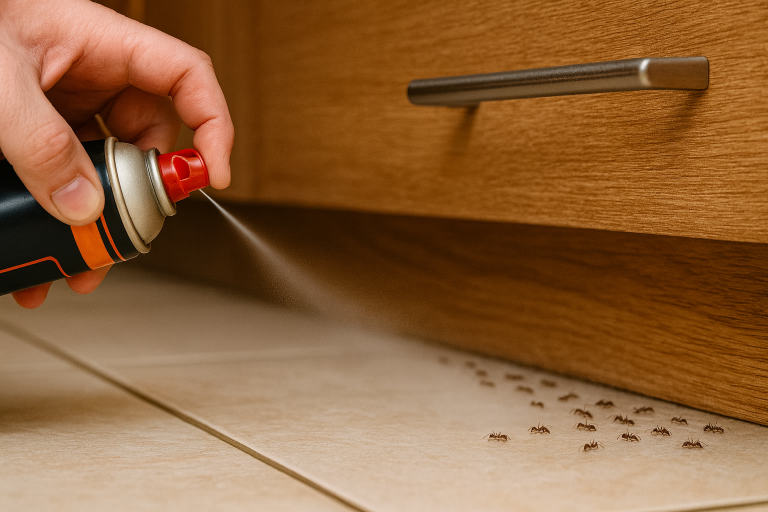
Over-the-counter products kill the pests you see, not the colony behind the scenes. Ants may reappear within days if the queen is not eliminated. Cockroaches simply relocate to untreated areas. Rodent traps catch only a few individuals while the rest of the colony continues to breed inside walls.
What You Should Know
Professional treatments target nests, travel routes, breeding areas, and entry points, something DIY products cannot achieve.
Myth 4: Natural Remedies Like Essential Oils Will Keep Pests Away
Social media often promotes peppermint oil, vinegar sprays, and dryer sheets as pest control solutions. These methods may smell pleasant, but they are not effective for real infestations.
Why This Is a Myth
Strong scents may temporarily confuse pests, but they wear off quickly and do not eliminate colonies or nests. Mice are not intimidated by peppermint oil once they learn there is consistent shelter and food available. Vinegar may disrupt ant scent trails briefly, but it does nothing to stop the colony from growing.
What You Should Know
Natural remedies may complement real pest control, but they should never replace professional treatment.
Myth 5: Pests Will Go Away When the Weather Changes
Some homeowners assume pests will leave on their own once food disappears or seasons shift. This rarely happens.
Why This Is a Myth
Most pests adapt to survive. Mice chew through food packaging. Raccoons return to warm attics repeatedly. Bedbugs survive for long periods without feeding. Cockroaches thrive in warm indoor environments even during freezing outdoor temperatures.
What You Should Know
Once pests establish themselves inside a structure, they rarely leave voluntarily. Prompt treatment is the best approach.
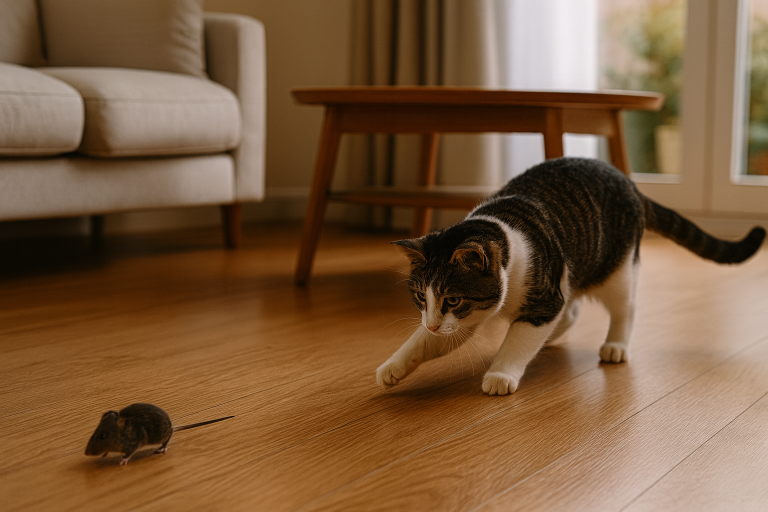
Myth 6: Pets Can Control Rodents
A cat or dog may catch a mouse occasionally, but pets cannot eliminate rodent infestations.
Why This Is a Myth
Rodents are fast and skilled at hiding in spaces pets cannot reach, such as behind appliances, inside walls, or in attics. Mice breed quickly, far outpacing what any household pet can catch.
What You Should Know
Pets may alert you to activity, but long-term rodent control requires proper baiting, trapping, and exclusion.
Myth 7: Bedbugs Only Occur in Dirty Homes
This myth causes unnecessary embarrassment and often leads to delayed treatment.
Why This Is a Myth
Bedbugs do not care about hygiene or clutter. They spread by hitchhiking on luggage, clothing, furniture, or visitors. Even luxury hotels and clean, well-organized homes experience infestations.
What You Should Know
Anyone can get bedbugs. What matters is identifying them early and following a proper treatment plan.
Myth 8: You Only Need To Treat the Area Where You See Pests
Spraying one corner of a room or placing a trap near a sighting does not address the root of the problem.
Why This Is a Myth
Pests use homes as networks of hiding spots. Ants may appear in the kitchen, but the nest is often outside. Cockroaches hide in multiple appliances and wall voids. Mice travel through interconnected pathways in ceilings, basements, and crawlspaces.
What You Should Know
Effective pest control treats sources, not just symptoms.
Myth 9: You Can Seal Every Entry Point Yourself
Basic sealing helps, but many access points are impossible to find without training.
Why This Is a Myth
Rodents can squeeze through openings the width of a pencil. Wildlife like raccoons can pry up shingles and soffits without leaving obvious signs. Many cracks and voids sit behind siding, under decks, or along rooflines where homeowners cannot see them.
What You Should Know
Professionals identify vulnerabilities that are invisible from ground level. Proper exclusion protects your home long-term.
Myth 10: One Treatment Is Always Enough
Many people expect pest problems to disappear after a single visit. This depends entirely on the species and the severity of the infestation.
Why This Is a Myth
Certain pests require multi-stage treatments. Bedbugs need scheduled visits spaced out to target different life stages. Rodents require ongoing monitoring and rebaiting. Cockroach infestations may require multiple products and follow-ups. Wildlife removal often includes inspection, repairs, and return visits to confirm activity has stopped.
What You Should Know
A complete plan produces long-lasting results. Professional technicians design the right treatment schedule for each specific pest.
Why Pest Control Myths Are So Common
These myths spread because they offer quick, simple explanations for complex issues. People want easy solutions or prefer to avoid dealing with an uncomfortable topic. Online forums and social media often repeat outdated advice that sounds reasonable but isn’t grounded in science or real-world pest behavior.
Accurate information helps homeowners make informed decisions and prevents small problems from growing into major infestations. Understanding how pests behave and why certain treatments work is the key to effective protection.
How Homeowners Can Protect Themselves From Misinformation
To avoid falling for these myths, homeowners should focus on:
- Early detection
- Reliable sources of information
- Professional inspections for unexplained activity
- Ongoing maintenance to prevent entry
- Proper sanitation and moisture control
- Long-term solutions instead of quick fixes
Pests are persistent, adaptable, and often hidden. Eliminating them requires knowledge, strategy, and proper tools, not shortcuts.
Protect Your Home With Professional Help
Misinformation about pest control can delay proper treatment and make infestations harder to manage. Understanding the truth behind these common myths allows you to protect your home more effectively and take action before problems grow. If you need help with pest or wildlife issues or want clear advice based on a professional inspection, Elite Pest & Wildlife Removal is ready to assist.
Call (289) 799-8718 or visit www.elitepestandwildlife.ca to book your appointment today.