admin · December 8, 2025
Homeowners across Ontario frequently hear scratching, thumping, or rustling noises coming from above the ceiling. These sounds often point to one culprit that loves warm, sheltered spaces: squirrels. Attics offer everything a squirrel needs to survive the colder months, including insulation for nesting, protection from predators, and easy access to food sources nearby. While they may seem harmless at first glance, squirrels can cause extensive damage and pose real risks to the structure of a home.
Understanding how they get in, why they stay, and how to remove them safely is the key to protecting your living space. With the right knowledge, homeowners can stop ongoing activity and prevent future invasions.
Why Squirrels Choose the Attic
Attics provide ideal shelter, especially during fall and winter. Squirrels are intelligent, adaptable animals that seek out warm, dry areas to survive harsh weather conditions. Your attic becomes attractive for several reasons:
Warmth and Safety
When temperatures drop, squirrels look for secure places that protect them from the cold. Attics offer a consistent temperature, especially in older homes with large insulation layers that retain heat. This warmth is critical for adult squirrels and essential for raising their young.
Abundant Nesting Material
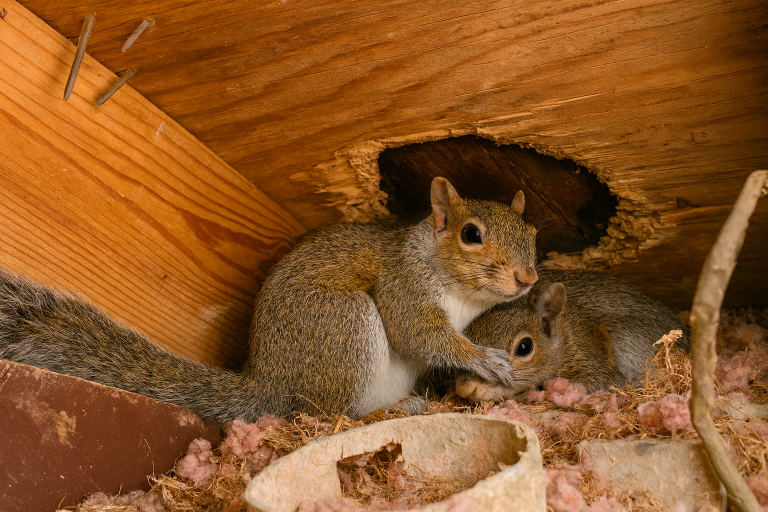
Insulation is one of the biggest draws. Squirrels shred insulation to create soft nests for sleeping, birthing, and storing food. They may also drag in leaves, paper, twigs, cardboard, and debris to build additional nest chambers.
Proximity to Food Sources
Backyard bird feeders, nut-bearing trees, vegetable gardens, and compost bins all provide easy meals. When food is plentiful outside and shelter is secure inside, the attic quickly becomes the perfect home base.
Protection From Predators
Owls, hawks, foxes, and coyotes are major threats to squirrels. Inside an attic, predators can’t reach them, giving squirrels a safe place to rest and raise offspring.
How Squirrels Enter an Attic
Squirrels are persistent and surprisingly strong for their size. Even a gap the width of a few fingers can become a doorway if a squirrel decides it’s an access point. Many homeowners are shocked at how small or hidden these entry areas can be.
Roofline Gaps
One of the most common entry points is along the roofline. When fascia boards or soffits begin to age, small gaps form where the roof meets the wall. Squirrels can pry open weakened wood or chew existing openings wider.
Vent Openings
Attic vents, such as gable vents, ridge vents, and roof vents, often have thin or aging screens. These screens weaken over time from weather exposure. Squirrels can easily tear these screens to slip inside. Dryer vents and bathroom vents can also become access points if covers are missing or damaged.
Chimneys
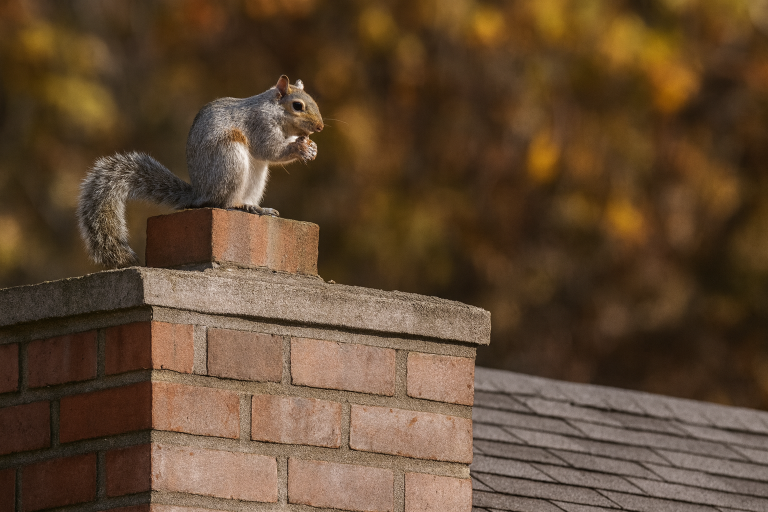
Uncapped chimneys act like an open door. Squirrels climb down brick or metal liners and enter the attic through gaps around the chimney base. A missing or loose chimney cap almost always leads to intrusion at some point.
Rotting Wood
Moisture is a squirrel’s ally. Soft, rotting wood is simple to chew through, even if the opening is not obvious from ground level. Eaves, soffits, and trim boards are especially vulnerable.
Damage Created by Other Wildlife
Sometimes squirrels take advantage of holes created by raccoons, woodpeckers, or previous repairs improperly sealed. Once one species opens an entry point, others often follow.
Signs That Squirrels Are Already Inside
Recognizing activity early prevents larger structural damage. Squirrels leave several clear signs:
Noises
Morning and early evening are the peak times you’ll hear squirrels moving around. Expect scratching, scampering, rolling, and thumping sounds as they dig through insulation or move nuts around.
Droppings
Squirrel droppings resemble large grains of rice or small elongated pellets. These are usually scattered near nesting sites, walkways, or insulation tunnels.
Chewed Wiring
One of the biggest hazards of squirrel infestations is the risk of electrical fires. Squirrels chew wires to file their constantly growing teeth. Exposed wiring in an attic is extremely dangerous.
Damaged Insulation
Flattened, shredded, or tunneled insulation is almost always present in an active squirrel nest. Over time, this damage reduces your home’s energy efficiency.
Entry Holes
Visible gaps along rooflines, missing vent screens, or chipped wood along soffits often indicate a point of entry.
The Risks of Allowing Squirrels to Stay
Many homeowners underestimate the damage squirrels can cause. A small amount of noise today can turn into expensive repairs later.
Structural Damage
Chewing is instinctive for squirrels, and they will chew on anything: rafters, beams, plywood, plastic, wiring, and even HVAC lines. This compromises the structure of your attic and increases repair costs.
Fire Hazards
Exposed electrical wires pose a real threat. Many attic fires each year trace back to wildlife chewing.
Health Concerns
While squirrels are less associated with disease transmission compared to some rodents, their droppings and urine can contaminate insulation. Parasites such as fleas or mites can also spread into the home.
Ongoing Reproduction
If females give birth in the attic, removal becomes more complex. Baby squirrels cannot leave on their own and need to be handled carefully. A single family can quickly turn into multiple families if the attic continues to provide safe shelter.
How to Safely Remove Squirrels From the Attic
Removing squirrels is a multi-step process. Simply chasing them out rarely works because they return to the entry point unless it is sealed properly. Successful removal requires patience, safe techniques, and an understanding of their behaviour.
Inspection and Identification
Start with a full exterior and interior inspection. Locate:
- All entry points
- Signs of nesting
- Areas of damaged insulation
- Any chewed wiring or structural issues
Professionals often use ladders, roof access tools, and specialized lighting to spot hidden openings the average homeowner might miss.
Use of One-Way Doors
The most humane and effective removal method is a one-way exclusion device. This allows squirrels to exit but prevents them from re-entering. Some important considerations:
- One-way doors must be installed only after confirming no babies are trapped inside.
- Placement needs to be secure and precisely fitted to avoid creating secondary holes.
- Timing matters; mid-winter and early spring often involve active nesting.
If babies are present, they must be removed safely by hand and reunited with the mother outside.
Sealing All Entry Points
Once squirrels have exited through the one-way system, the next step is sealing every entry area. This often includes:
- Metal screening over vents
- Reinforced mesh along roofline gaps
- Replacing or repairing soffits and fascia boards
- Installing chimney caps
Using wildlife-proof materials is crucial because squirrels can chew through standard foam and wood repairs.
Cleaning and Restoration
After removal, the attic may need:
- Insulation repair or replacement
- Sanitization to remove droppings and urine
- Deodorizing to eliminate scent trails
- Electrical inspection for any wiring damage
Leaving the attic contaminated can attract new wildlife later, so restoration is an important final step.
How to Prevent Future Squirrel Intrusions
Prevention dramatically reduces the chances of squirrels returning. Regular home maintenance is the best long-term defense.
Trim Trees Away From the Roofline
Branches touching or hanging near the roof allow squirrels to leap easily onto vulnerable areas. Maintaining a clearance of several feet minimizes access.
Promptly Repair Structural Weaknesses
Soft wood, cracked trim, and loose soffits should be fixed before wildlife notices them. Periodic roof inspections help catch problems early.
Protect Vents and Openings
Metal screening, secured properly, keeps wildlife out while allowing ventilation. Screens should be checked annually for rust or weak spots.
Remove Food Attractants
Bird feeders, open compost, and easy-to-reach garbage bins encourage squirrels to hang around. Managing outdoor food sources reduces temptation.
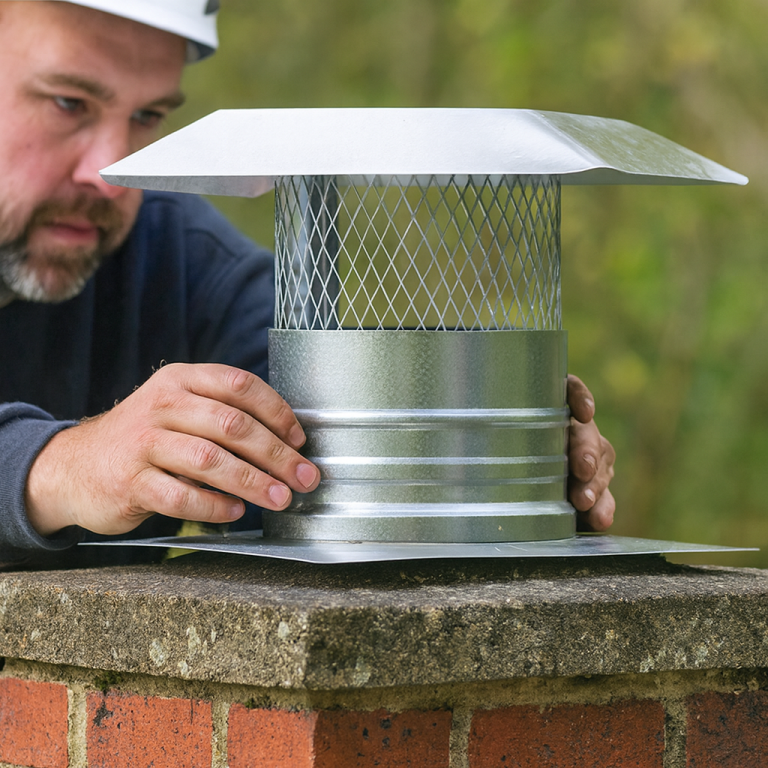
Install Chimney Caps
A simple cap prevents squirrels and other wildlife from entering through the chimney. It also keeps out raccoons, birds, and debris.
Professional Help Makes a Difference
While DIY attempts may seem cost-effective, squirrel removal is rarely simple. Climbing roofs is dangerous, identifying entry points requires experience, and handling wildlife can lead to injury if done incorrectly. A professional wildlife technician has the tools and training needed to remove squirrels humanely and secure the home from future problems.
Many homeowners also prefer expert help because:
- The process is faster
- Repairs are completed at the same time
- The chance of re-entry drops significantly
- Technicians offer warranties on exclusion work
For long-term results, professional intervention is often the safest and most dependable solution.
Take Back Your Attic Today
Squirrels can turn an attic into a hideaway faster than most homeowners realize. Once they settle in, they bring noise, damage, and plenty of frustration along with them. Acting early is the best way to stop problems from growing and protect your home before repairs become costly. If you’ve heard unusual sounds overhead or spotted signs of chewing or debris around the roofline, it’s time to get ahead of the problem. Book a professional attic inspection with Elite Pest and Wildlife Removal to make sure your home stays secure, quiet, and completely squirrel-free.
Schedule your attic inspection by calling (289) 799-8718 or visit www.elitepestandwildlife.ca.