
admin · March 30, 2026
Finding a bat inside your home can be a stressful and confusing experience. Whether it’s flying through a hallway at night or discovered resting in a corner, most homeowners aren’t sure how to react. In Southern Ontario, especially in areas like Hamilton, bats are a protected species, which means removal needs to be handled carefully and legally.
Understanding what to do in the moment, and what steps to take afterward, can make a big difference in keeping your home safe while ensuring the bat is handled properly.
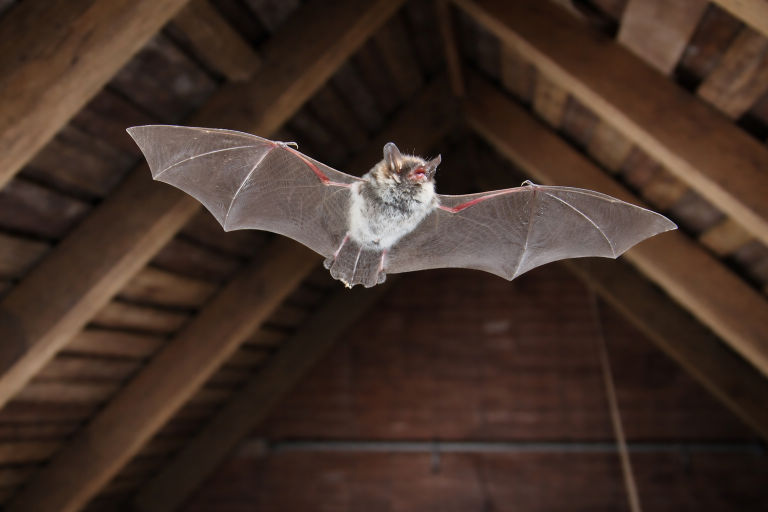
Why Bats End Up Inside Homes
Bats don’t enter homes by accident as often as people think. In many cases, their presence inside means there is already an entry point somewhere on the exterior of the home.
Small gaps along the roofline, soffits, vents, or fascia boards are common access points. Bats can fit through openings as small as a dime. Once inside, they often make their way into attics where they roost quietly during the day.
Sometimes a bat will find its way into the main living space. This can happen if:
- An attic hatch or recessed lighting allows access from above
- A bat becomes disoriented and enters through an open door or window
- There is an established colony and one individual accidentally enters the home
If you see one bat, there is always a possibility there are more in the attic or walls.
Is It Dangerous to Have a Bat Inside?
Bats are not aggressive animals. They are more afraid of people than people are of them. That said, they should never be handled directly.
In Canada, bats can carry rabies, although the percentage is low. The concern is not how aggressive they are, but the risk associated with any direct contact. A bite can be very small and may not always be immediately noticeable. For that reason, it’s important to avoid touching the bat and to treat the situation seriously, especially if:
- The bat was found in a bedroom
- Someone may have been sleeping when it was present
- Pets had access to the bat
In these cases, public health guidance may recommend further steps.
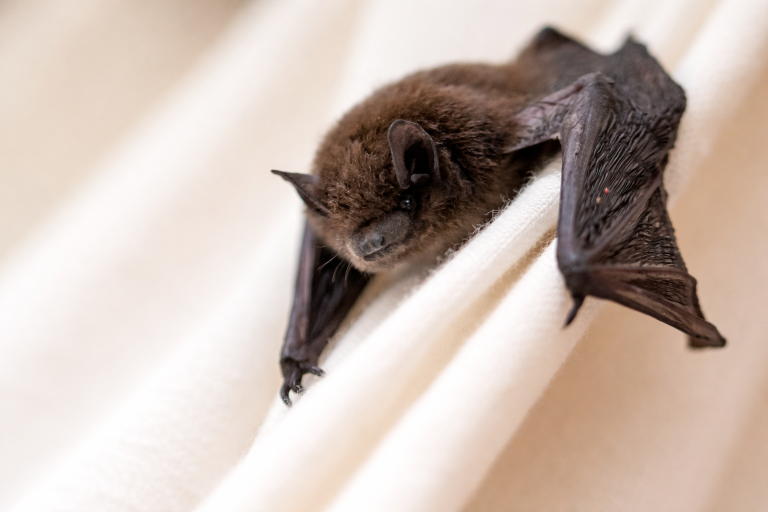
What to Do Immediately
Your first reaction matters. Acting calmly and avoiding panic helps prevent the situation from escalating. Start by isolating the bat. Close doors to the room where it was seen to limit its movement throughout the house. If possible, open a window in that room to give the bat an exit point. Turn off the lights and keep the space quiet. Bats navigate using echolocation, and a calm, dark environment helps them find their way out.
Avoid chasing it or swinging objects at it. This increases stress on the animal and can cause it to hide in harder-to-reach areas. If the bat lands on a surface and you feel confident, you can contain it using a box or container and a piece of cardboard. However, this should only be done if there is no risk of contact. Gloves alone are not considered adequate protection. If you’re unsure, the safest approach is to leave the room, close the door, and contact a professional.
What Not to Do
Many homeowners try to solve the problem quickly, but certain actions can make things worse.
Do not attempt to seal holes or entry points right away. If there are bats inside the attic, sealing the entry can trap them inside your home, leading to more serious problems.
Avoid using pesticides or sprays. These are ineffective for bats and can create health risks inside the home.
Do not attempt to remove a bat colony yourself. Bats are protected under Ontario wildlife regulations, and improper removal can result in legal issues as well as harm to the animals.
Signs You May Have More Than One Bat
A single bat in your living space is often a sign of a larger issue. Bats are social animals and frequently roost in colonies.
Watch for signs such as:
- Scratching or light chirping noises in the attic or walls, especially at dusk or dawn
- Dark staining or droppings (guano) near rooflines or vents
- A strong, musty odor in the attic
- Seeing bats flying around your home at sunset
If any of these signs are present, a full inspection is strongly recommended.
How Professional Bat Removal Works
The safest and most effective way to deal with bats is through professional exclusion. At Elite Pest and Wildlife, we always start with a detailed inspection. This allows us to identify exactly where bats are entering and whether there is an active colony.
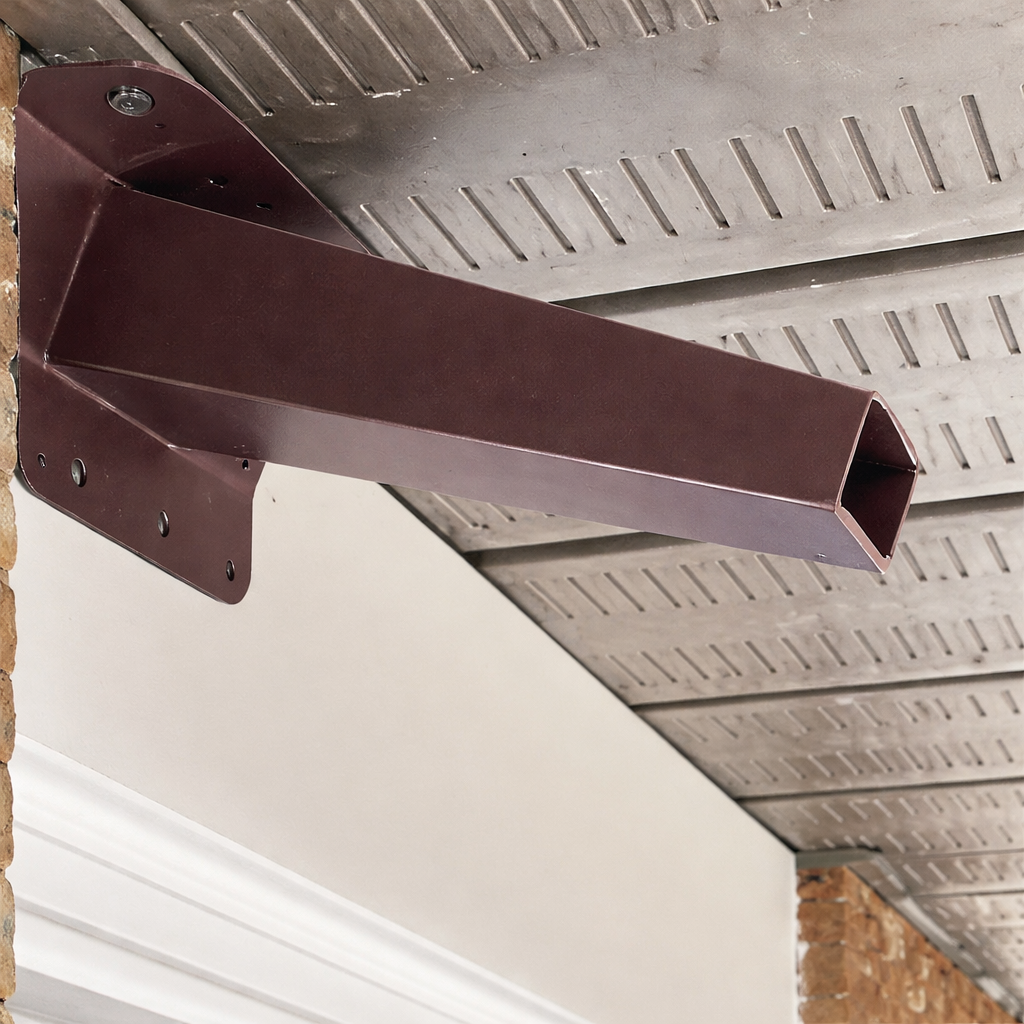
The removal process typically involves installing a one-way door over the main entry point. This allows bats to exit the home safely but prevents them from getting back in. After a short period, once all bats have left, the entry point is permanently sealed. This method is humane, effective, and compliant with wildlife regulations.
Timing is important. During certain times of the year, especially maternity season, removal may need to be scheduled carefully to avoid trapping baby bats inside.
Why DIY Bat Removal Often Fails
Many homeowners attempt temporary fixes, such as blocking visible holes or trying to scare bats away. These approaches rarely solve the problem long-term. Bats are persistent and will often find another way back inside. If even a small gap is missed, the issue continues.
Improper sealing can also trap bats inside walls or attics, leading to odor issues and additional damage. Professional removal focuses not just on getting the bats out, but on making sure they cannot return.
Preventing Bats from Returning
Once the bats are removed, prevention becomes the priority. Homes should be carefully sealed along all potential entry points. This includes rooflines, vents, soffits, and any construction gaps.
Routine inspections are especially important in older homes or areas with high bat activity. Small maintenance issues, like loose flashing or worn vent covers, can quickly become entry points. Keeping windows and doors screened and ensuring attic spaces are properly sealed can also reduce the risk of future problems.
When to Call for Help
If you find a bat inside your home, it’s always a good idea to at least have the situation assessed. Even if the bat leaves, the entry point remains. Without addressing it, the problem can happen again.
You should contact a professional if:
- The bat does not leave on its own
- There is any possibility of contact with people or pets
- You suspect there may be more bats in the home
- You want to identify and seal potential entry points
Protect Your Home with Professional Help
Dealing with a bat inside your home is not something most homeowners are prepared for. While the situation can feel urgent, taking the right steps ensures it’s handled safely and properly. At Elite Pest and Wildlife, we specialize in humane bat removal and long-term prevention. Our team starts with a full inspection to identify entry points and determine the extent of the issue. From there, we use proven exclusion methods to remove bats and secure your home against future entry.
If you’ve found a bat in your house or suspect there may be activity in your attic, don’t wait for the problem to get worse. Contact Elite Pest and Wildlife today to book your inspection and get expert help protecting your home.