
admin · April 13, 2026
Pest activity is heavily shaped by the climate around us. Temperature shifts, humidity levels, rainfall, and seasonal cycles all influence how insects and wildlife behave. Understanding these patterns makes it easier for homeowners to prepare for seasonal challenges and take steps to reduce infestations before they begin. Each season brings its own pressures, from spring breeding cycles to winter shelter-seeking behaviour. Learning how weather impacts these patterns gives you an advantage in protecting your home.
This guide breaks down how weather affects pests throughout the year and highlights what homeowners should watch for as conditions shift.
Why Weather Plays Such a Big Role in Pest Behaviour
Most pests rely on environmental cues to guide their activity. Weather controls their movement, their breeding cycles, their search for food and water, and their instinct to seek shelter. Even a small temperature increase can speed up reproduction for ants or flies. A drop in humidity can force spiders, mice, or cockroaches to search for new hiding places. Extreme cold or heat pushes many species indoors.
Pests are cold-blooded, which means their body temperature is controlled by the environment. When temperatures warm up, activity rises. When conditions cool down, movement slows, but shelter-seeking intensifies. Moisture also plays a major role. Heavy rainfall, heat waves, and drought all shift pest behaviour in predictable ways. Homeowners who understand these patterns can respond quickly and prevent problems from growing.
Spring: The Season of Reawakening and Rapid Growth
Spring marks the beginning of increased pest activity across Canada and the northern United States. As frost melts and temperatures rise, insects and wildlife emerge from overwintering sites. Many species begin breeding almost immediately once the conditions are warm enough.
Rising Temperatures Trigger Movement
Warmer days speed up metabolism and reproduction. Ants begin building new colonies and sending out scouts to forage. Overwintering cluster flies start leaving attic spaces. Wasps begin forming new nests. Termite colonies become more active as soil temperatures increase.
Moisture Encourages Pests to Breed
Snowmelt and spring rain create ideal breeding conditions for many insects. Standing water encourages mosquito development. Damp soil supports earth-dwelling pests such as centipedes, millipedes, sow bugs, and earwigs. Basements and crawlspaces that hold moisture become attractive to silverfish and springtails.
Wildlife Resumes Foraging
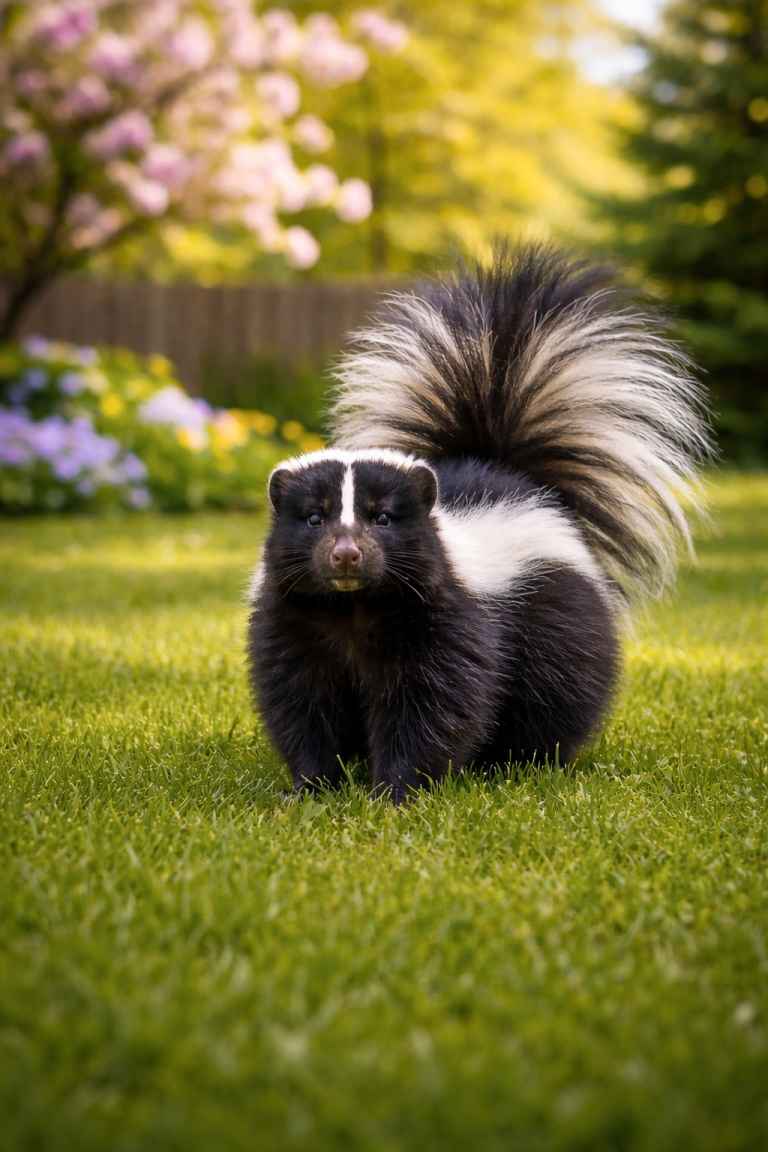
Raccoons, skunks, and squirrels emerge in search of food after months of reduced activity. Spring is also mating season for many wildlife species, which means more noise, more movement, and an increased chance of animals entering attics, sheds, and garages. Warmer weather also softens ground, making it easier for skunks to dig under decks and sheds.
Increased Entry Into Homes
Spring temperature swings often drive insects indoors during cold snaps. Ants may suddenly appear in kitchens after a chilly night. Spiders follow the movement of other insects. Rodents that found winter shelter inside may continue to occupy those spaces well into spring if not removed.
Homeowner Focus for Spring:
- Seal gaps around windows, doors, and foundation cracks
- Manage moisture around the home
- Clear debris and leaves from siding and eaves
- Address any early activity before colonies or nests grow
Summer: Peak Pest Activity and Fast Reproduction
Summer brings heat, humidity, and abundant food sources. These conditions create an ideal environment for rapid breeding and expansion of insect populations. Most infestations grow the fastest between June and September.
Heat Increases Insect Metabolism
High temperatures speed up development in pests such as ants, wasps, hornets, and spiders. Many species go from eggs to adults in a matter of weeks. Carpenter ants thrive in warm, damp wood and may continue tunnelling aggressively during the hottest months.
Humidity Drives Insects Indoors
Although outdoor conditions are favourable, extreme humidity pushes some pests inside. Cockroaches search for cool, moist areas during heat waves. Silverfish and centipedes move indoors when outdoor soil dries out. Fleas also reproduce faster in warm, humid conditions, which can be a major issue for homes with pets.
Mosquito Activity Peaks
Warm temperatures accelerate the mosquito life cycle, while summer rainfall creates standing water where larvae hatch. Even small amounts of water—such as clogged gutters or plant saucers—can support mosquito populations.
Wildlife Becomes More Active at Night
Warm summer evenings increase nocturnal wildlife movement. Raccoons forage for food across wider territories. Skunks search for insects and grubs. Bats become very active at dusk as they feed on flying insects. Squirrels remain active during early morning and late evening hours, especially if heat levels spike mid-day.
Food Sources Encourage Pests to Multiply
Barbecues, compost bins, fruit trees, and outdoor garbage containers all attract pests. Wasps and hornets become aggressive around sugary food and drinks. Ants establish large foraging trails. Mice may enter sheds or garages where food or pet supplies are stored.
Homeowner Focus for Summer:
- Keep food tightly sealed
- Repair window screens and door sweeps
- Trim vegetation touching the home
- Keep garbage and recycling bins secure
- Remove standing water
Fall: Cooling Temperatures Drive Pests Indoors
Fall marks one of the most critical times of year for pest prevention. As temperatures begin to drop, pests shift their focus to survival. Many species start searching for warm indoor environments before winter settles in.
Overwintering Pests Move Inside
Cluster flies, boxelder bugs, ladybugs, and other overwintering insects begin gathering around warm surfaces such as south-facing walls and upper rooflines. As the weather cools further, they slip into cracks, attic vents, soffits, and siding gaps. Cluster fly and ladybug invasions are especially common in rural and suburban areas.
Rodents Seek Warm Shelter
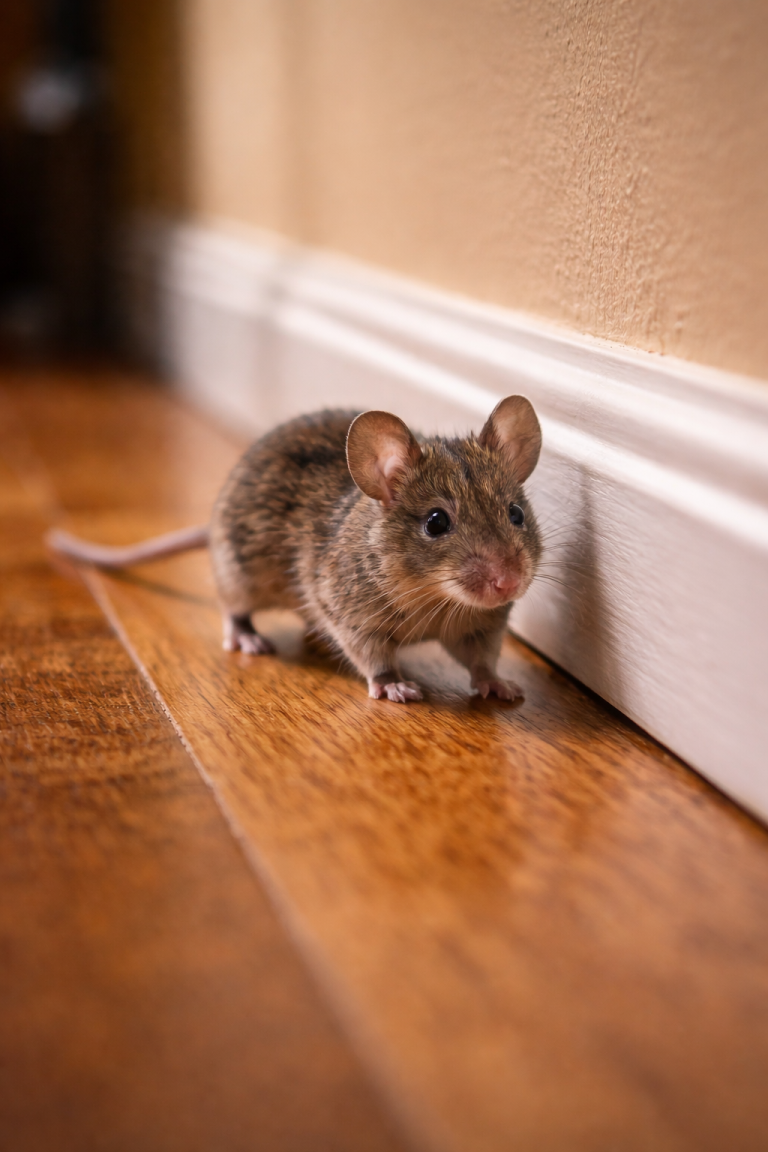
Mice and rats begin looking for indoor nesting sites once nighttime temperatures dip. They enter through foundation cracks, gaps around utility lines, and openings under doors. Because rodents breed throughout the winter when inside a warm home, fall prevention is essential.
Spiders Increase Hunting Activity
Fall is mating season for many spider species. You may see more spiders indoors, not because they’re entering from outside, but because the ones already living inside become more active. Outdoor spiders also migrate closer to homes as temperatures drop and insect prey becomes scarce.
Wildlife Searches for Dens
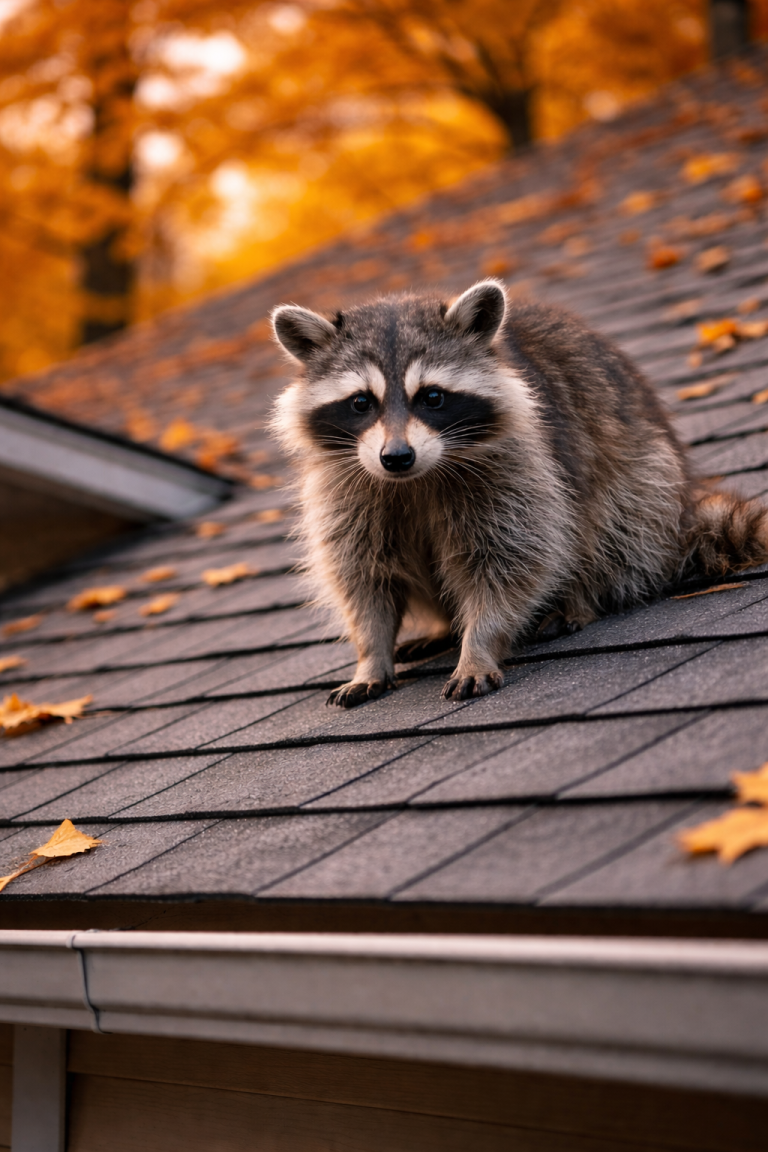
Squirrels begin storing food and may attempt to enter attics during this time to create winter nests. Raccoons and skunks start scoping out potential dens. Weak spots in soffits, rooflines, and foundation areas become vulnerable to wildlife intrusion.
Moisture Shifts Change Insect Patterns
Fall rains may push ground-dwelling insects toward drier areas. Ants relocate colonies when soil conditions become wet. Earwigs and centipedes move into basements and cold-cellar spaces when their natural habitats flood.
Homeowner Focus for Fall:
- Seal exterior entry points thoroughly
- Install heavy-duty door sweeps
- Inspect attics, garages, and sheds for early activity
- Schedule preventive treatments for overwintering pests
- Clean up outdoor debris that may shelter wildlife
Winter: Cold Temperatures Push Pests to Shelter
During winter, the focus for most pests is survival. While many insects die off outdoors, species with strong overwintering instincts become more noticeable inside. Wildlife also becomes reliant on warm structures for shelter and food.
Insects Slow Down but Do Not Disappear
Even though outdoor insect activity decreases, several species remain active indoors. Cockroaches thrive in warm kitchens and bathrooms. Silverfish continue feeding on paper, cardboard, and fabrics. Spiders stay active inside because indoor temperatures remain stable.
Cluster flies and other overwintering pests stay dormant until warm spells occur, which can cause sudden swarming inside attics or upper rooms.
Rodents Continue to Breed Indoors
Once inside, mice and rats can reproduce through the winter. A single pair of mice can turn into dozens within months if not addressed. They nest in insulation, wall cavities, and stored items. Winter is one of the busiest seasons for rodent removal because food scarcity outdoors pushes them to rely on indoor sources.
Wildlife Remains Active Around Homes
Squirrels often remain active, especially during milder winters. Raccoons sometimes enter attics or garages as temporary shelters. Skunks create dens under decks and sheds, especially in snow-covered yards where digging becomes easier due to softened soil around structural edges.
Heating Systems Attract Pests
Warmth from furnace vents, dryer vents, and boiler rooms attracts insects and mice. Gaps around exterior vent lines offer accessible entry points. Homes with older insulation or damaged soffits experience higher winter activity, especially from wildlife.
Homeowner Focus for Winter:
- Monitor for rodent droppings or noises in walls
- Keep food sealed and floors clean
- Ensure garbage is secured against wildlife
- Repair weak spots in rooflines and soffits
- Maintain proper attic insulation and ventilation
How Extreme Weather Events Influence Pest Activity
Beyond regular seasonal cycles, sudden weather extremes have a powerful effect on pests.
Heat Waves
Heat accelerates breeding, especially for flies, ants, cockroaches, and spiders. Pests also look for cool spots, such as basements or shaded foundations.
Heavy Rainfall
Flooding drives ants, earwigs, millipedes, and spiders into homes. Mosquito populations often explode after rainfall when standing water remains.
Droughts
Dry conditions drive wildlife and insects closer to homes in search of water. Rodents, wasps, and ants become highly active around outdoor taps, birdbaths, and garden beds.
Sudden Temperature Drops
Cold snaps can cause mass movement of pests indoors, especially mice, spiders, cluster flies, and boxelder bugs.
Mild Winters
Mild winters increase survival rates for insects and rodents, leading to heavier pest activity the following spring.
How Homeowners Can Stay Ahead of Seasonal Pest Activity
Understanding seasonal patterns is only one part of protection. Being proactive reduces the chance of large infestations and protects the home throughout the year. To stay ahead, homeowners should:
- Book preventive treatments before peak seasons
- Monitor high-risk areas such as kitchens, basements, attics, and garages
- Seal gaps in siding, soffits, and foundation areas
- Maintain good sanitation and moisture control
- Remove outdoor clutter that shelters pests
- Act quickly when early signs appear
Book Your Seasonal Treatment
Weather changes influence every stage of pest behaviour, from nesting and breeding to sheltering inside homes. Staying ahead of these seasonal patterns helps prevent infestations before they spread and protects your home year-round. Whether you’re dealing with increased activity in the spring, peak infestations in the summer, fall invaders preparing to overwinter, or winter shelter-seekers, timely action makes all the difference. If you’re noticing signs of pests or want to stay proactive this season, Elite Pest & Wildlife Removal is here to help with fast, professional service you can rely on. Reach out to our team for more information, or to book your service.