
admin · July 24, 2026
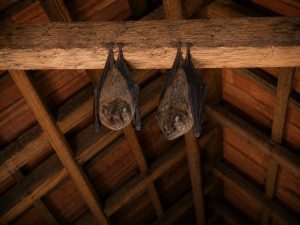
Bats play an important role in the environment by feeding on mosquitoes and other flying insects, but they become a serious problem when they move into a home. Attics provide the warm, quiet, and protected environment bats look for, especially during the spring and summer maternity season. Once they establish a colony, they can remain there for months, leaving behind droppings, strong odours, and contamination that can damage your home over time.
Many homeowners in Hamilton don’t realize they have bats until the colony has grown or the animals begin leaving the attic each evening. Recognizing the warning signs early can help prevent costly repairs and ensure the bats are removed safely and humanely. If you suspect bats are living in your attic, understanding what to look for is the first step toward protecting your home.
Why Bats Choose Attics
Attics closely resemble the natural spaces bats use in the wild. They provide stable temperatures, protection from predators, and plenty of dark, undisturbed areas where bats can rest during the day.
Female bats are especially attracted to attics during late spring and early summer because they form maternity colonies to raise their young. Warm attic temperatures help baby bats develop until they are old enough to fly. Once a colony becomes established, bats often return to the same property year after year if the entry points remain open.
Unlike raccoons or squirrels, bats do not chew through building materials. Instead, they take advantage of existing openings along the roofline that many homeowners never notice.
Hearing Noises in the Attic
One of the earliest signs of bats is unusual sounds coming from the attic or walls. Bat noises are generally much quieter than those made by raccoons or squirrels. Rather than hearing loud thumping or heavy footsteps, homeowners often notice light scratching, soft rustling, or faint chirping sounds. These noises usually occur around dusk when bats begin waking up and preparing to leave for the evening. Shortly before sunrise, similar activity may be heard as they return to the attic after feeding. If you consistently hear gentle movement around sunrise or sunset, bats may be the cause.
Seeing Bats Flying Around Your Home at Dusk
Watching your roofline during the evening is one of the easiest ways to confirm bat activity. Bats typically leave their roost shortly after sunset to search for insects. If you notice several bats emerging from the same area of your roof every evening, there is a strong chance a colony is living inside the attic. Pay close attention to roof peaks, soffits, gable vents, roof vents, chimney flashing, and areas where different roofing materials meet. Bats usually enter and exit through the same opening repeatedly.
Bat Droppings Around the Home
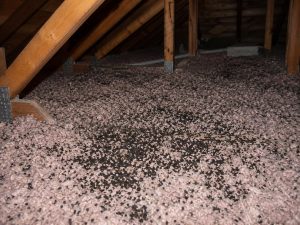
Bat droppings, known as guano, are one of the clearest signs of an active colony. Guano often accumulates directly beneath entry points on roofs, window ledges, decks, patios, or around the foundation of the home. Inside the attic, droppings typically collect beneath the areas where bats are roosting. Although bat guano resembles mouse droppings at first glance, it tends to crumble easily when dry because it contains insect remains. Large accumulations of guano usually indicate that bats have been present for an extended period.
A Strong Ammonia-Like Odour
As bat colonies grow, homeowners may begin noticing unpleasant smells coming from the attic. Bat urine and guano produce a strong ammonia-like odour that becomes more noticeable during warm weather. In larger infestations, the smell may spread through ceiling fixtures, attic hatches, ventilation systems, or upper floors of the home. Persistent odours often indicate that cleanup will be required after the bats have been removed.
Staining Around Entry Points
Bats leave behind more than just droppings. As they repeatedly squeeze through small openings, the oils from their fur create dark stains around entry holes. These brown or black marks often appear around soffits, fascia boards, roof vents, chimney flashing, siding joints, or small gaps near rooflines. These stains become darker over time as more bats use the same opening.
Finding Guano in the Attic
If you enter your attic, you may notice scattered piles of droppings on top of the insulation or along roof framing. Large colonies can produce significant amounts of guano over the course of a season. This waste compresses insulation, contaminates building materials, and creates conditions that may eventually require insulation replacement. Because bat guano can present health concerns, homeowners should avoid disturbing it unnecessarily.
Common Places Bats Enter
Many people are surprised by how little space bats need to enter a building. An opening of only a few centimetres is often enough. Common access points include gaps between soffits and fascia boards, roof vents, gable vents, ridge vents, flashing around chimneys, spaces where siding meets the roof, loose trim, construction gaps, and damaged roof components. Because these openings are usually high above the ground, they often go unnoticed during routine home maintenance.
Why Bats Return Every Year
Bats have excellent memory and frequently return to successful roosting locations. If previous entry points remain open after the bats leave, the colony may return the following season. Even if only a few bats return initially, the colony can quickly grow over time. This is why simply waiting for bats to leave without properly sealing the entry points rarely solves the problem permanently.
Health Risks Associated With Bat Colonies
Although bats themselves are generally not aggressive, allowing them to remain inside your attic can create several health concerns. Accumulated guano may support fungal growth that can become airborne if disturbed. Bat droppings and urine also reduce indoor air quality and produce unpleasant odours throughout the home.
Large colonies can attract insects that feed on guano, while bat parasites may occasionally become a nuisance if the colony is left untreated. Because bats are wild animals, direct handling should always be avoided.
Damage Caused by Bat Infestations
Unlike squirrels or raccoons, bats rarely chew wiring or wood, but they can still cause considerable property damage over time. Large amounts of guano contaminate insulation, reduce its effectiveness, and stain wood framing. Urine may soak into insulation and structural materials, creating lingering odours that are difficult to remove without professional cleanup. The longer a colony remains, the greater the cleanup and restoration costs are likely to become.
Why DIY Bat Removal Is Not Recommended
Many homeowners assume they can simply seal the opening once they discover where the bats are entering. Unfortunately, doing so can create much bigger problems. If bats are trapped inside the attic, they may search for new exits and end up inside the living space. During maternity season, flightless baby bats may also be left behind if exclusion is performed at the wrong time.
In addition, bats are protected by wildlife regulations during certain times of the year, meaning removal must be completed using appropriate methods and timing. Professional wildlife technicians understand these seasonal restrictions and use humane exclusion techniques that allow bats to leave safely without returning.
How Professional Bat Removal Works
Professional bat removal begins with a detailed inspection of the home to locate every active and potential entry point. Once the inspection is complete, technicians install one-way exclusion devices over the primary entrances. These devices allow bats to leave naturally to feed at night but prevent them from getting back inside.
After confirming the colony has fully exited, the one-way devices are removed and every entry point is permanently sealed using durable wildlife-proof materials. If necessary, technicians also remove contaminated insulation, clean affected areas, and deodorize the attic. This process resolves the current infestation while helping prevent future colonies from returning.
When Should You Schedule a Bat Inspection?
Homeowners should schedule an inspection if they regularly see bats flying around the roofline at dusk, hear scratching or chirping noises in the attic, discover bat droppings around the home, notice dark staining near roof openings, or detect persistent ammonia-like odours coming from the attic.
Even if you are only seeing one or two bats, it’s worth having the home inspected. Small colonies often go unnoticed until they become much larger. Early inspections can prevent significant contamination, reduce repair costs, and allow removal to be completed at the appropriate time of year.
Protect Your Home With Professional Bat Removal
Bats are beneficial wildlife outdoors, but they do not belong inside your home. A bat colony in the attic can lead to contaminated insulation, unpleasant odours, and expensive cleanup if left untreated. Identifying the signs early and arranging a professional inspection gives you the best chance of resolving the problem before it grows.
Elite Pest and Wildlife specializes in humane bat removal, professional wildlife exclusions, attic inspections, and long-term bat prevention throughout Hamilton and the surrounding area. Our experienced technicians identify every entry point, safely remove active colonies using one-way exclusion methods, and permanently secure your home against future infestations.
If you’ve noticed bats flying around your roofline, heard unusual noises in the attic, or discovered signs of bat activity, don’t wait for the problem to get worse. Contact Elite Pest and Wildlife today to schedule a professional inspection and protect your home with safe, humane, and effective bat removal solutions.