
admin · July 27, 2026
Summer in Hamilton brings warm temperatures, lush gardens, and plenty of time spent outdoors. Unfortunately, it also creates ideal conditions for many household pests. Among the most common are ants and cockroaches, both of which become significantly more active during periods of high humidity. While homeowners often blame the heat alone, moisture plays an equally important role in driving pest activity.
Humidity affects how ants and cockroaches search for food, water, and shelter. It also influences where they build nests, how quickly their colonies grow, and why they suddenly appear indoors during the hottest months of the year. Understanding the connection between humid weather and pest behaviour can help homeowners reduce infestations before they become serious problems.
If you’ve noticed more ants crawling across your kitchen counters or cockroaches appearing in your basement during the summer, humidity may be one of the biggest reasons why.
Why Humidity Matters to Household Pests
Like all living creatures, insects require water to survive. High humidity provides a more stable environment that reduces the risk of dehydration and supports faster reproduction. During Hamilton’s humid summers, moisture levels rise both outdoors and inside homes, creating conditions that many pests prefer.
Warm temperatures combined with humidity also increase insect activity overall. As populations of smaller insects grow, ecosystems become more active, allowing pests to find food more easily. Homes with damp basements, crawl spaces, utility rooms, or poor ventilation become especially attractive because they offer moisture long after outdoor conditions begin to dry out. For ants and cockroaches, humidity signals that food and water are readily available.
Why Ants Become More Active During Humid Weather
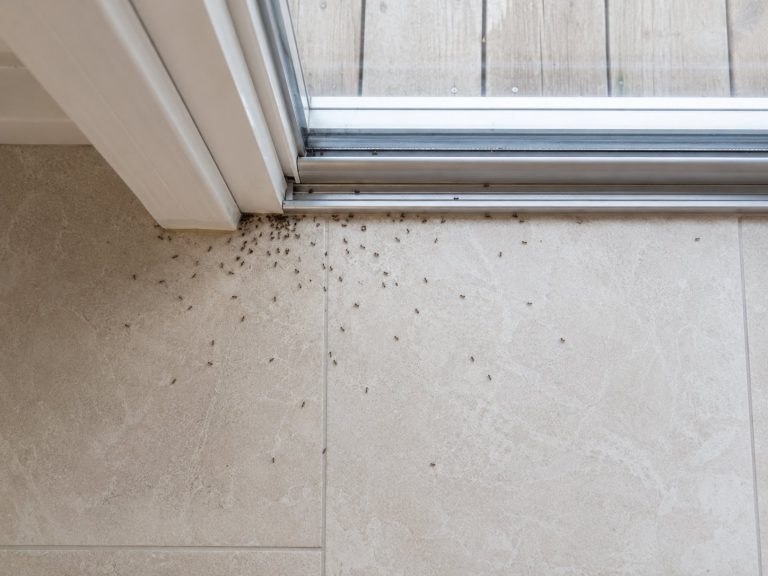
Ant colonies remain active throughout much of the year, but summer humidity accelerates many aspects of their behaviour. Moist soil makes it easier for ants to expand underground nests, while frequent rainfall softens the ground and encourages new tunnel construction. Heavy rain can also flood existing colonies, forcing ants to relocate. When outdoor nests become saturated, worker ants begin searching for dry shelter, and nearby homes often become the next destination.
Inside the home, ants are drawn toward kitchens, bathrooms, laundry rooms, and basements where moisture is consistently available. Even a slow plumbing leak or condensation beneath a sink can provide enough water to support an active colony. Because ants communicate using pheromone trails, it only takes one successful scout to discover a food or water source before hundreds of additional ants begin following the same route.
Humidity Encourages Larger Ant Colonies
Moist conditions don’t simply increase ant activity; they also support colony growth. Queens lay eggs more successfully when environmental conditions are favourable, allowing colonies to expand rapidly throughout the summer. More workers mean more foraging activity, making infestations much more noticeable.
Carpenter ants are particularly active during humid weather because damp wood becomes easier to excavate for nesting. Homes with water damage, leaking windows, roof leaks, or moisture behind siding become especially vulnerable. As carpenter ants tunnel through softened wood, the structural damage can continue unnoticed for long periods. Pavement ants also thrive after summer rainstorms, frequently invading homes while searching for food after their outdoor nests have been disturbed.
Why Cockroaches Love Humid Summers
Cockroaches are even more dependent on moisture than ants. While they can survive for extended periods without food, they require frequent access to water. High humidity helps cockroaches retain moisture and reduces the risk of dehydration. As a result, they remain active longer, reproduce more successfully, and spread throughout buildings more quickly during humid weather.
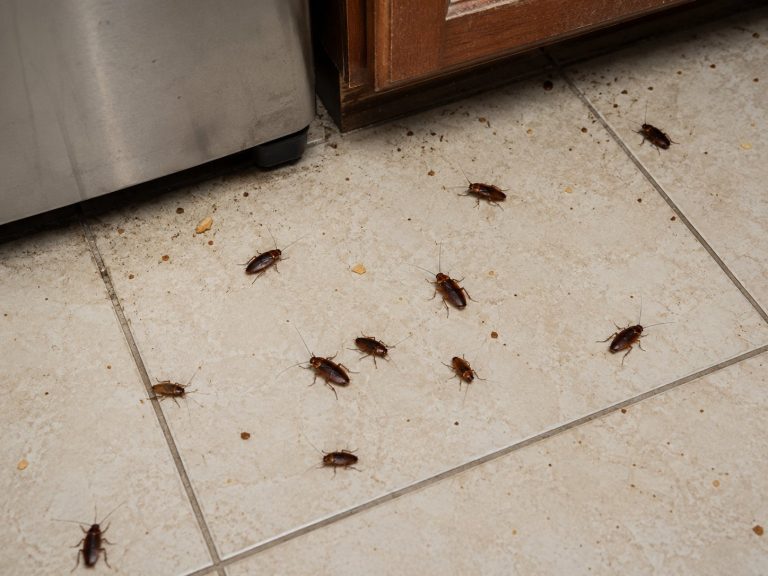
Hamilton homes provide numerous humid hiding places that cockroaches naturally seek out. Kitchens, bathrooms, basements, laundry rooms, utility closets, and areas beneath appliances all offer the warmth and moisture they need to survive. Even homes that appear clean can experience cockroach problems if moisture issues remain unresolved.
Condensation Creates Hidden Water Sources
Many homeowners focus on visible plumbing leaks but overlook condensation. Cold water pipes, air conditioning systems, water heaters, and HVAC equipment often produce moisture during humid weather. Small amounts of condensation may seem insignificant, but for insects they provide a reliable source of drinking water.
Cockroaches commonly gather behind refrigerators, dishwashers, washing machines, and under sinks because these locations combine warmth, darkness, and moisture. Reducing excess humidity inside the home often makes these areas far less attractive.
Humid Basements Become Pest Hotspots
Basements are among the most common places where both ants and cockroaches establish themselves during Hamilton summers. Being below ground level naturally exposes basements to higher moisture levels. Older homes may also have foundation cracks, poor drainage, or limited ventilation that allows humidity to build throughout the season.
Moisture trapped inside unfinished basements encourages insect activity while also supporting mould, mildew, and decaying organic material that can attract additional pests. Once insects establish themselves in the basement, they gradually expand into kitchens, bathrooms, and upper floors.
Heavy Rainfall Forces Pests Indoors
Summer storms often contribute to sudden pest problems. When prolonged rainfall floods underground ant nests or overwhelms outdoor harbourage areas, insects begin searching for dry alternatives. Cracks around foundations, gaps beneath doors, utility penetrations, and basement windows become common entry points.
Cockroaches may also migrate indoors after heavy rain because saturated soil limits their available shelter outdoors. Many homeowners notice a sharp increase in pest activity immediately following extended periods of rainfall, even if they had not experienced problems earlier in the season.
Kitchens Become Prime Foraging Areas
Humidity alone does not attract pests. Moisture combined with food creates ideal conditions. Kitchens naturally provide crumbs, grease, food residue, garbage, recycling containers, and water from sinks or dishwashers. During humid weather, these resources become even more valuable to ants and cockroaches.
Worker ants quickly establish foraging trails between outdoor nests and indoor food sources, while cockroaches remain hidden during the day before emerging at night to feed. Cleaning surfaces regularly, storing food in sealed containers, and repairing plumbing leaks all help reduce the attractiveness of kitchen environments.
Poor Ventilation Makes the Problem Worse
Homes with inadequate ventilation often experience higher indoor humidity throughout the summer. Bathrooms without working exhaust fans, damp laundry rooms, unfinished crawl spaces, and cluttered storage areas all trap moisture. These conditions allow pests to remain hidden while reproducing without disturbance. Running exhaust fans, improving airflow, and using dehumidifiers in damp areas can make a noticeable difference in reducing insect activity.
Why DIY Treatments Often Fall Short
Many homeowners attempt to eliminate ants or cockroaches using store-bought sprays or bait products. While these treatments may reduce visible insects temporarily, they rarely solve the underlying problem if humidity and moisture remain.
Sprays often kill only the insects that are directly contacted, leaving hidden nests untouched. Cockroaches frequently retreat deeper into wall voids after exposure to aerosol products, while ant colonies simply redirect their foraging trails. Without addressing moisture sources and entry points, new insects continue replacing those that were eliminated.
How Professional Pest Control Addresses Summer Infestations
Professional pest control focuses on both eliminating active pests and correcting the conditions that allow them to thrive. During an inspection, technicians identify the species involved, locate nesting areas, and evaluate the home for moisture issues that may be contributing to the infestation. Kitchens, bathrooms, basements, crawl spaces, utility rooms, and exterior foundations receive careful attention.
Depending on the pest involved, treatments may include targeted crack-and-crevice applications, professional gel baits, dust formulations in inaccessible voids, and exterior perimeter treatments designed to reduce incoming insects before they reach the home. Just as importantly, homeowners receive recommendations for reducing humidity, improving sanitation, sealing entry points, and correcting moisture problems that encourage future infestations.
Reducing Humidity Helps Prevent Future Problems
Lowering indoor humidity is one of the most effective long-term strategies for reducing both ant and cockroach activity. Keeping basements dry, repairing plumbing leaks promptly, improving drainage around the foundation, maintaining gutters and downspouts, and ensuring proper ventilation all make your home less inviting to pests.
Removing standing water, cleaning spills promptly, emptying garbage regularly, and storing food securely further reduce the resources insects depend on. These preventive measures work best when combined with professional pest control, particularly if an infestation has already become established.
When Should You Call a Professional?
If you’re seeing persistent ant trails despite repeated cleaning, discovering cockroaches during the day, noticing insects after every rainstorm, or finding activity in multiple areas of the home, it’s time to reach out to a professional.
The longer ants and cockroaches remain inside, the larger their populations become and the more difficult they are to eliminate completely. Early treatment helps prevent colonies from expanding while reducing the likelihood of repeat infestations throughout the summer.
Protect Your Hamilton Home This Summer
Hamilton’s warm, humid summers create ideal conditions for ants and cockroaches to thrive. Moisture encourages colony growth, drives insects indoors after storms, and provides the water they need to survive. By controlling humidity, eliminating moisture sources, and addressing infestations early, homeowners can significantly reduce pest activity before it becomes a larger problem.
If you’re dealing with ants, cockroaches, or other summer pests, Elite Pest & Wildlife is here to help. Our experienced technicians provide thorough inspections, targeted treatments, and long-term prevention strategies designed specifically for Hamilton homes. We identify the source of the infestation, eliminate active pests safely and effectively, and help prevent them from returning.
Contact Elite Pest & Wildlife today to schedule a professional inspection and keep your home protected all summer long.