
As the weather begins to warm up each year in Hamilton, homeowners start to notice increased activity from birds around their properties. While this is a normal and even welcome sign of spring, it can quickly turn into a frustrating and costly issue when birds begin nesting inside household vents.
Dryer vents, bathroom exhaust vents, and kitchen vents provide the perfect environment for birds seeking shelter and a safe place to raise their young. Unfortunately, once they settle in, the problems can escalate quickly. Understanding why this happens, what signs to watch for, and how to deal with it properly can help protect your home and prevent recurring issues.
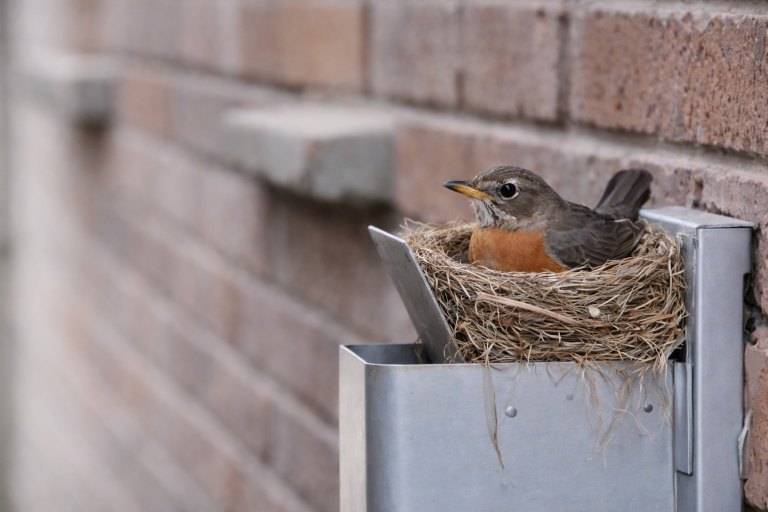
Why Birds Choose Vents in Spring
Spring is nesting season for many common bird species in Southern Ontario, including sparrows, starlings, and pigeons. During this time, birds are actively searching for warm, enclosed spaces that are protected from predators and the elements.
Household vents check all of those boxes. Exterior vent openings are typically elevated, sheltered, and lead into dark, quiet spaces. These conditions mimic natural nesting environments like tree cavities. Dryer vents in particular are attractive because they often release warm air, making them even more appealing during early spring when temperatures can still fluctuate.
Once a bird begins building a nest, it works quickly. Within a matter of days, a small amount of debris can turn into a fully established nest, sometimes complete with eggs or hatchlings.
Common Signs of Birds Nesting in Your Vent
Birds nesting in vents are not always immediately obvious, but there are several clear signs homeowners in Hamilton should watch for:
- Increased bird activity around a specific vent
- Chirping sounds coming from inside walls or ceilings
- Nesting material sticking out of the vent cover
- Reduced airflow from your dryer or bathroom fan
- A burning smell when using the dryer due to blockage
- Droppings accumulating around the exterior vent
One of the most common early indicators is reduced dryer efficiency. If your clothes are taking longer than usual to dry, there is a good chance the vent is partially blocked.
The Risks of Ignoring the Problem
While it may seem harmless at first, a bird nest inside a vent can lead to several serious issues if left untreated. A blocked dryer vent is one of the biggest concerns. When airflow is restricted, heat and lint build up inside the vent, significantly increasing the risk of a fire. This is one of the most common causes of household fires related to appliances.
Moisture buildup is another issue. Bathroom and kitchen vents are designed to remove humidity from your home. If those vents are blocked, moisture can become trapped, leading to mold growth and long-term structural damage.
There are also health concerns to consider. Bird nests can carry parasites such as bird mites, which may enter the home once the nest is disturbed or abandoned. In some cases, homeowners begin experiencing unexplained bites or irritation without realizing the source.
Additionally, damage to the vent itself is common. Birds will often dislodge or break vent covers to gain access, leaving the opening vulnerable to future infestations from both birds and other wildlife.
Why DIY Removal Can Make Things Worse
Many homeowners attempt to remove nests themselves, but this can lead to bigger problems if not handled correctly.
First, there are legal considerations. Many bird species in Canada are protected during nesting season, especially when eggs or chicks are present. Removing or disturbing an active nest can result in fines.
Second, incomplete removal is very common. Even if the visible portion of the nest is cleared, debris deeper inside the vent can remain, continuing to block airflow.
There is also the risk of trapping birds inside the vent or home. Without proper techniques, birds may panic and move further into the system, creating additional complications.
Finally, without addressing the root cause, the problem almost always returns. Simply removing the nest without installing a proper vent cover leaves the opening exposed for the next nesting attempt.
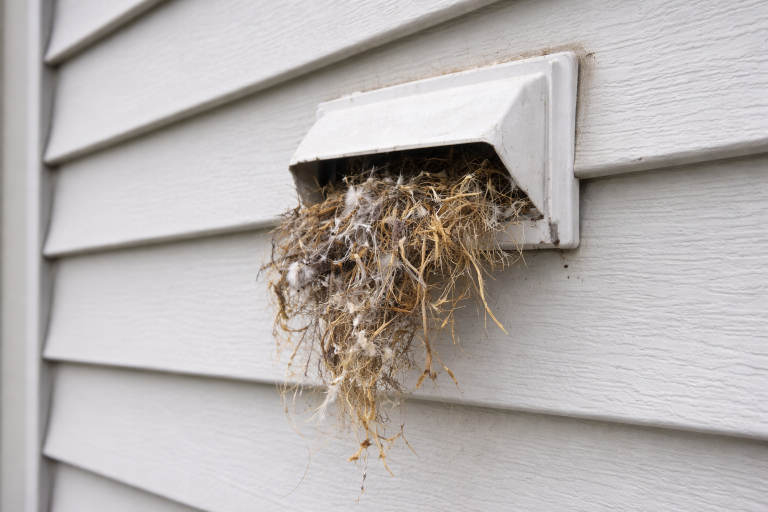
Professional Bird Nest Removal and Prevention
Professional bird removal services focus on both safe removal and long-term prevention. The process typically starts with a thorough inspection to confirm the type of bird activity and whether the nest is active. If there are no eggs or chicks present, the nest can often be removed right away. If it is active, a humane plan is put in place to allow the birds to leave safely before removal.
Once the nest is cleared, the vent is cleaned to remove all debris and ensure proper airflow. This step is critical, especially for dryer vents where lint buildup can pose a fire risk.
The final and most important step is prevention. Installing a proper bird-proof vent cover ensures that birds cannot re-enter the space. These covers are designed to allow airflow while keeping wildlife out, offering a long-term solution.
At Elite Pest and Wildlife, bird removal from vents is handled with a focus on safety, compliance, and lasting results. The service includes removing the nesting material, treating for mites if necessary, and replacing or securing the vent with a durable, bird-proof cover.
Why This Issue Is So Common in Hamilton
Homes in Hamilton are particularly susceptible to this issue due to a mix of older housing stock and dense urban neighbourhoods. Many homes have aging or damaged vent covers that are easy for birds to access. Even newer builds can have standard plastic vent covers that are not designed to keep wildlife out.
The abundance of food sources and nesting areas in residential neighbourhoods also contributes to the problem. Birds adapt quickly to urban environments, and once they find a suitable nesting spot, they often return year after year.
Spring timing plays a major role as well. Homeowners often first notice the issue when they begin using appliances more frequently or opening windows, making bird activity more noticeable.
How to Prevent Birds from Nesting in Your Vents
Prevention is always easier and more cost-effective than dealing with a full nesting situation. Upgrading your vent covers is one of the most effective steps you can take. Bird-proof covers are designed specifically to prevent entry without restricting airflow.
Regular exterior inspections can also help catch early signs of activity before a nest becomes established. Even something as simple as noticing birds frequently landing near a vent can be an early warning sign.
If your home has had this issue before, it is especially important to address it proactively. Birds are likely to return to the same spot if it remains accessible.
Book Professional Bird Removal Today
If you are noticing signs of birds nesting in your vents, it is best to address the issue early before it leads to more serious problems.
Elite Pest and Wildlife provides professional bird nest removal and prevention services across Hamilton and surrounding areas. Our team ensures the nest is removed safely, the vent is properly cleaned, and a secure cover is installed to prevent future nesting.
Bird removal from vents is priced at $450 and includes replacing the vent with a bird-proof cover. Additional vents can also be upgraded during the same visit.
If you would like to schedule a service or have a technician assess your situation, contact Elite Pest and Wildlife today. Prompt action can save you from costly repairs and ongoing issues throughout the season.