
Fleas and ticks are more than a seasonal nuisance. For homes with pets, they can quickly become a serious and persistent problem. Once these pests make their way indoors, they spread fast, bite repeatedly, and are difficult to eliminate without a coordinated approach. Many homeowners focus on treating their pets alone, only to find that the infestation keeps coming back.
Effective flea and tick control requires addressing the entire environment, not just the animal. From carpets and furniture to yards and entry points, these pests take advantage of every opportunity to survive and reproduce. Understanding how fleas and ticks enter the home, where they hide, and how to control them safely is the key to long-term protection for both pets and people.
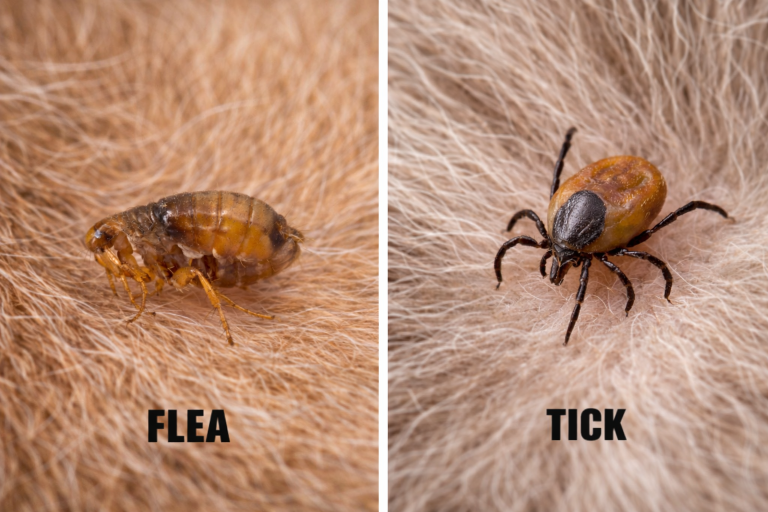
Why Fleas and Ticks Are a Major Concern for Pet Owners
Pets act as the primary transport system for fleas and ticks. Dogs and cats pick them up during walks, outdoor play, visits to other homes, or contact with wildlife. Once inside, fleas and ticks do not stay on the pet alone.
Health Risks for Pets
Fleas and ticks can cause:
- Intense itching and skin irritation
- Hair loss and hot spots
- Allergic reactions
- Anemia in severe flea infestations
- Transmission of diseases such as Lyme disease and tapeworms
Young, elderly, or immune-compromised pets are especially vulnerable.
Health Risks for Humans
While pets are the main target, fleas and ticks also bite people. Ticks can transmit illnesses, and flea bites can cause allergic reactions or secondary skin infections. In some cases, fleas can spread disease-causing bacteria indoors.
How Fleas and Ticks Get Inside the Home
Many homeowners are surprised to learn that fleas and ticks rarely originate inside. They are almost always introduced from outside.
Common Entry Routes
- Pets returning from yards, parks, or wooded areas
- Wildlife such as raccoons, skunks, or rodents nesting nearby
- Visitors with pets
- Shared outdoor spaces or multi-unit buildings
Once indoors, fleas and ticks take advantage of warm temperatures, soft surfaces, and hidden spaces.
Understanding the Flea Life Cycle
One of the biggest challenges in flea control is their life cycle. Fleas reproduce quickly and hide effectively.
Life Stages
- Eggs fall off pets and settle into carpets, cracks, and furniture
- Larvae develop in dark, undisturbed areas
- Pupae remain dormant until conditions are right
- Adults emerge and seek a host
Only a small percentage of fleas are visible at any time. Most of the infestation exists unseen in the environment, which is why surface treatments alone often fail.
Where Fleas and Ticks Hide Indoors
Fleas and ticks are experts at finding shelter.
Common Indoor Hiding Areas
- Carpets and rugs
- Pet bedding and resting areas
- Upholstered furniture
- Baseboards and floor cracks
- Laundry rooms
- Basements
Ticks may also hide near entry points or where pets frequently lie down.
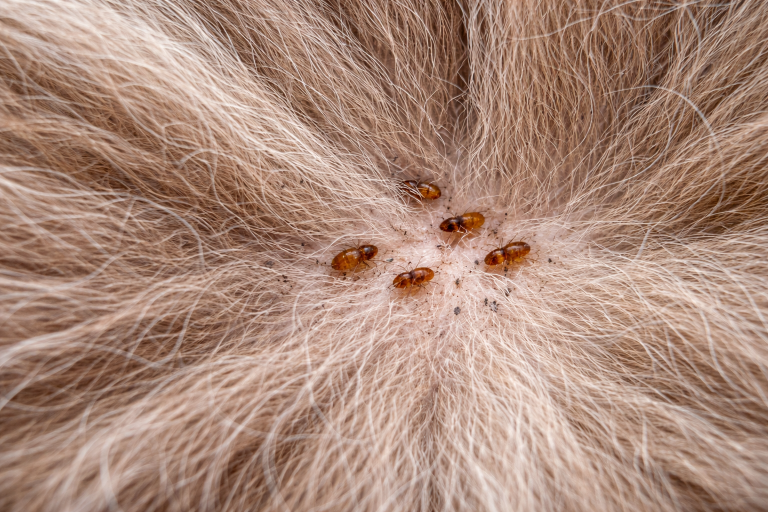
Why Treating Pets Alone Is Not Enough
Veterinary flea and tick products are essential, but they do not eliminate an existing home infestation on their own.
Pet treatments:
- Kill pests on the animal
- Do not remove eggs or larvae from the home
- Do not address fleas in carpets, furniture, or yards
Without environmental treatment, fleas continue to hatch and re-infest pets, creating a frustrating cycle.
Safe Flea and Tick Control Options for Homes with Pets
When pets are involved, safety must be a top priority. Professional flea and tick control focuses on targeted treatments and low-exposure methods.
Integrated Pest Management (IPM)
The safest and most effective programs follow an Integrated Pest Management approach, which includes:
- Identifying the source of the infestation
- Treating both indoor and outdoor areas
- Targeting life stages of fleas and ticks
- Reducing reliance on unnecessary chemicals
This approach minimizes exposure while maximizing results.
Targeted Indoor Treatments
Instead of spraying entire rooms, professional treatments focus on:
- Carpets and rugs
- Pet resting areas
- Baseboards and cracks
- Furniture seams
Products are applied in a controlled manner and are designed to break the flea life cycle.
Growth Regulators
Insect growth regulators are commonly used in flea control. They prevent eggs and larvae from developing into biting adults.
Benefits include:
- Reduced chemical use
- Long-lasting control
- Minimal impact on pets and humans when applied correctly
Growth regulators are a key component in preventing reinfestation.
Outdoor Flea and Tick Treatments
Yards are often overlooked, but they play a major role in flea and tick problems.
Outdoor treatment focuses on:
- Shaded areas
- Under decks and porches
- Fence lines
- Areas where pets rest or play
- Wildlife pathways
Treating the yard reduces the chance of pests being brought back inside.
Pet-Specific Safety Measures
Professional technicians adjust treatments based on:
- The type of pets in the home
- Their size and habits
- Where they spend most of their time
Pet bowls, toys, and bedding are protected during treatment, and re-entry times are clearly explained.
What Homeowners Should Do Alongside Professional Treatment
Successful flea and tick control works best when homeowners and professionals work together.
Important Homeowner Steps
- Vacuum carpets and furniture thoroughly
- Wash pet bedding in hot water
- Reduce clutter on floors
- Continue veterinarian-recommended pet treatments
- Follow post-treatment instructions carefully
Vacuuming helps remove eggs and larvae, while washing bedding eliminates hidden pests.
Common Mistakes That Allow Fleas and Ticks to Return
Many infestations persist due to avoidable errors.
Mistakes to Avoid
- Skipping yard treatment
- Stopping pet medication too early
- Using multiple DIY products at once
- Failing to address wildlife activity around the home
- Ignoring early signs of reinfestation
Consistency is key. Flea and tick control often requires follow-up to fully break the cycle.
Signs You May Have an Ongoing Flea or Tick Problem
Even after treatment, it’s important to monitor for signs of continued activity.
Watch for:
- Pets scratching or biting excessively
- Flea dirt on pet fur
- Bites on ankles or legs
- Seeing fleas during vacuuming
- Ticks found near entry points
Early detection allows for quick intervention before the problem escalates again.
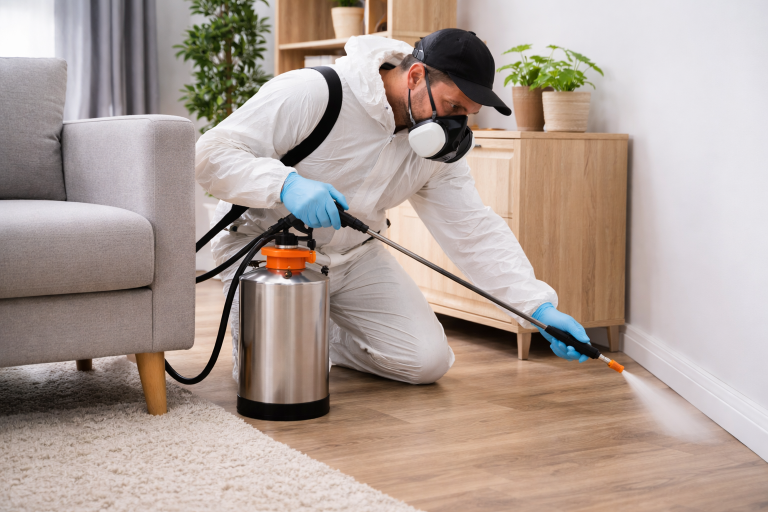
Why Professional Flea and Tick Control Makes a Difference
Professional treatment provides:
- Accurate identification of the infestation
- Proper product selection
- Safe application methods
- Environmental treatment beyond the pet
- Long-term prevention strategies
This comprehensive approach saves time, reduces frustration, and protects the health of pets and family members.
Let’s Kick Fleas and Ticks to the Curb
Fleas and ticks don’t belong in a home where pets are part of the family. If scratching, bites, or persistent pests are disrupting your routine, it’s time to tackle the problem at the source.
Book a professional flea and tick control service with Elite Pest and Wildlife Removal to protect your pets, treat your home and yard safely, and enjoy a comfortable, pest-free space again.
Call 226-208-7793 or visit elitepestandwildlife.ca for more information on our professional flea treatment.