
Basement moisture is one of the most overlooked contributors to pest problems in Hamilton homes. While many homeowners focus on sealing cracks or setting traps once pests appear, the underlying cause often starts below ground level. Damp basements create the perfect environment for insects, rodents, and even wildlife to thrive, hide, and reproduce.
Hamilton’s climate, aging housing stock, and proximity to escarpments, creeks, and Lake Ontario make basement moisture a common issue across the city. When moisture is left unaddressed, it does more than cause musty smells or minor water damage. It actively attracts pests and supports infestations that can spread throughout the home.
Understanding how moisture develops in basements, why pests are drawn to it, and how it leads to long-term infestations is key to protecting your property.
Why Basement Moisture Is So Common in Hamilton
Hamilton homes face unique environmental and structural challenges that contribute to damp basements.
Older Foundations and Construction
Many Hamilton neighbourhoods feature older homes with stone or poured concrete foundations. Over time, these materials crack, settle, and allow groundwater to seep inside. Older homes also lack modern waterproofing methods.
Clay Soil and Poor Drainage
Hamilton’s soil composition does not drain water efficiently. Heavy rainfall or melting snow often pushes moisture toward foundations instead of away from them.
High Water Tables and Seasonal Changes
Spring thaw, heavy summer rainstorms, and fluctuating water tables all increase moisture pressure around basement walls. Even homes without visible flooding may experience constant dampness.
Humidity and Condensation
Basements naturally stay cooler than the rest of the home. When warm, humid air enters, condensation forms on walls, pipes, and floors, creating ongoing moisture even without leaks.
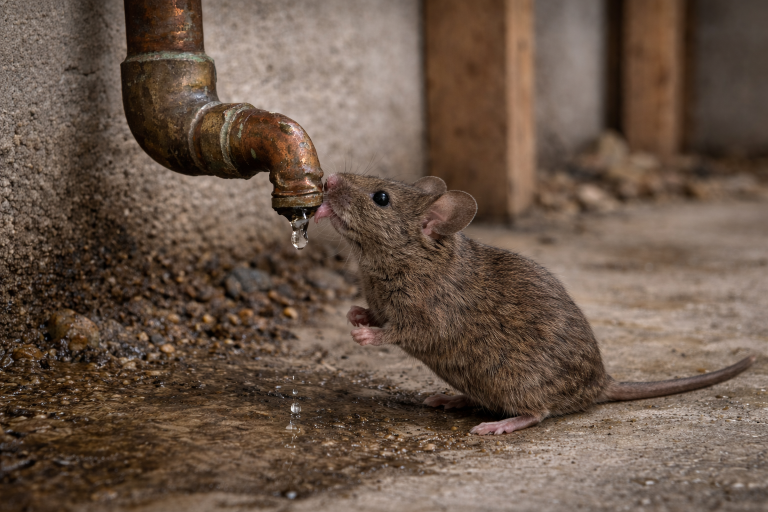
Why Pests Are Attracted to Moist Basements
Moisture is one of the most important survival factors for pests. A damp basement provides ideal conditions for many species.
Reliable Water Source
Pests need water just as much as food. Moist basements offer constant access through condensation, leaks, and pooled water.
Shelter and Protection
Basements are quiet, dark, and rarely disturbed. This makes them safe spaces for pests to hide and nest.
Favorable Temperatures
Basements maintain relatively stable temperatures year-round. This allows pests to survive cold Hamilton winters and hot summers.
Common Pests Linked to Basement Moisture
Several pests are especially drawn to damp environments. Once they settle in the basement, they often spread upward.
Ants
Certain ant species prefer moist soil and structural voids. Basement moisture softens materials and allows ants to nest inside walls, floor cracks, and under slabs.
Cockroaches
Cockroaches require humidity to survive. Leaky pipes, damp floor drains, and condensation make basements ideal harborage areas.
Silverfish
Silverfish thrive in damp, dark environments. They are commonly found in basements with high humidity and poor ventilation.
Centipedes
Centipedes are predators that follow moisture and food sources. Their presence often signals an underlying moisture problem and other insect activity.
Mice and Rats
Rodents are attracted to moisture for drinking and nesting. Damp basements often have softened materials, insulation damage, and easier access points.
Spiders
Spiders themselves are not drawn to moisture, but they follow insects that are. A moist basement supports the insects spiders feed on.
How Moisture Leads to Structural Pest Entry
Moisture does more than attract pests. It actively weakens the home’s structure.
Cracks and Gaps Expand
Repeated moisture exposure causes foundation cracks to widen over time. These cracks become entry points for insects and rodents.
Wood Rot and Soft Materials
Moisture damages wooden framing, sill plates, and subfloors. Softened wood is easier for pests to chew through or nest inside.
Damaged Insulation
Wet insulation compresses and loses effectiveness. It also becomes an ideal nesting material for rodents.
Why Basement Pest Problems Spread Upstairs
Basement infestations rarely stay contained.
Vertical Movement
Pests move upward through wall voids, plumbing chases, electrical lines, and ductwork.
Food Sources Upstairs
Once pests establish themselves in the basement, kitchens and living spaces become easy targets.
Hidden Infestations
Because basements are less frequently used, infestations grow unnoticed until pests appear on upper floors.

Health Risks Linked to Moisture-Driven Pest Activity
Basement pests are not just a nuisance.
Contaminants
Droppings, urine, shed skins, and dead insects contaminate surfaces and air.
Allergens
Moist environments support mold and pest allergens, which can worsen asthma and respiratory issues.
Bacteria and Pathogens
Rodents and cockroaches carry bacteria that can spread throughout the home.
Why Dehumidifiers Alone Are Not Enough
Many homeowners rely solely on dehumidifiers, which can help but rarely solve the full problem.
Limited Reach
Dehumidifiers reduce air moisture but do not stop water intrusion or condensation behind walls.
No Structural Repair
They do not seal cracks, fix drainage issues, or address leaks.
False Sense of Security
Lower humidity may reduce visible signs while pests continue nesting in hidden damp areas.
Effective Moisture Control Strategies
Long-term pest prevention starts with moisture control.
Foundation Repairs
Sealing cracks and gaps prevents water entry and pest access.
Proper Drainage
Downspouts should direct water away from the foundation. Grading should slope away from the house.
Sump Pumps and Drainage Systems
Homes prone to groundwater issues benefit from proper drainage solutions.
Ventilation Improvements
Improved airflow reduces condensation and humidity.
Plumbing Maintenance
Fixing leaks eliminates constant moisture sources.
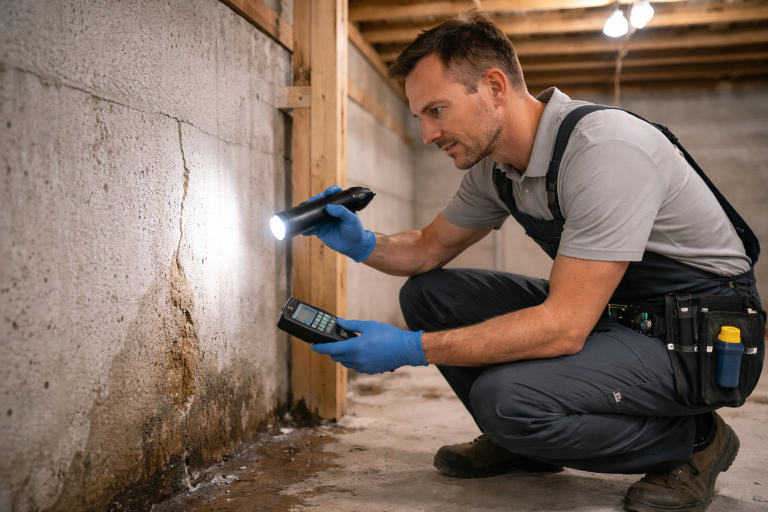
Why Professional Inspections Matter
Moisture-related pest issues often involve multiple contributing factors. Professional inspections identify:
- Hidden moisture sources
- Structural vulnerabilities
- Active pest entry points
- Nesting areas and damage
- Conditions that encourage reinfestation
Addressing only the pests without fixing moisture issues leads to repeat problems.
A Damp Basement Is An Invitation For Pest Infestation
A moist basement is more than a comfort issue. It’s often the first sign that pests are being invited inside. From insects to rodents, moisture creates the perfect conditions for infestations to take hold and spread throughout the home. Catching the problem early can prevent costly damage and ongoing pest issues.
Book a professional basement inspection with Elite Pest and Wildlife Removal to identify moisture problems, stop pest activity at the source, and protect your Hamilton home from repeat infestations.