
Across Hamilton, construction cranes, road closures, and new developments have become part of everyday life. From downtown revitalization projects to expanding suburbs and infrastructure upgrades, the city is changing fast. While growth brings new housing and opportunities, it also brings an unintended side effect that many homeowners are now experiencing firsthand: a sharp increase in rodent activity.
Mice and rats are being displaced by construction at an unprecedented rate, and residential homes are becoming their new shelter of choice. Understanding why this is happening and how it affects your property is essential if you want to prevent costly damage and ongoing infestations.

Why Construction Forces Rodents to Relocate
Rodents are highly territorial and rely on consistent shelter and food sources. Construction disrupts both. When land is cleared, buildings are demolished, or underground infrastructure is disturbed, rodent nests and burrows are destroyed. This forces rodents to migrate quickly.
Unlike wildlife that may move deeper into green spaces, rodents tend to move toward the nearest source of warmth and food, which is almost always nearby homes. Construction sites also expose food waste, soil, and debris, temporarily increasing rodent populations before pushing them outward into surrounding neighborhoods once work progresses.
Hamilton’s Infrastructure Creates Ideal Rodent Conditions
Hamilton’s mix of older infrastructure and new construction creates a perfect storm for rodent activity. Many areas of the city still rely on aging sewer systems, shared utility corridors, and older foundations. When construction disturbs these systems, rodents already living underground are pushed toward surface-level access points. Cracks in foundations, gaps around service lines, and older brickwork become easy entry points. In neighborhoods where construction is ongoing for months or years, rodent pressure does not disappear. It shifts repeatedly, spreading infestations block by block.
Why Residential Homes Become the Target
Once rodents are displaced, they prioritize survival over caution.
Homes offer:
- Warmth year-round
- Protection from predators
- Reliable food sources
- Quiet nesting areas
Basements, garages, attics, crawl spaces, and wall voids provide ideal shelter. Even well-maintained homes can be vulnerable if small entry points exist. Mice can enter through openings the size of a dime, while rats exploit slightly larger gaps along foundations and rooflines. Newer homes are not immune. In fact, construction-related rodent pressure often affects new subdivisions just as much as older neighborhoods.
Increased Rodent Activity Near Construction Zones
Homeowners living near construction often notice sudden changes in rodent behavior. These signs often appear shortly after construction begins nearby. Even homes that have never had rodent issues before can become targets.
Common signs include:
- Mice appearing indoors for the first time
- Rats seen in daylight
- Increased droppings in basements or garages
- Scratching sounds in walls or ceilings
- Chewed wiring, insulation, or stored items
Why Rodents Spread Quickly Through Neighborhoods
Rodents do not respect property lines. Once they establish a foothold in a residential area, they move easily between homes. Shared fences, decks, sheds, sewer connections, and closely spaced foundations allow rodents to spread without being noticed. In dense neighborhoods, a single construction project can lead to multiple infestations across several streets. Rodents reproduce rapidly. A small number of displaced mice or rats can multiply into a serious problem within weeks if conditions allow.

Construction and Seasonal Rodent Pressure
Seasonal timing plays a major role in how severe rodent pressure becomes. Construction-related rodent activity is often worse during certain seasons.
Fall and Winter
As temperatures drop, displaced rodents seek indoor shelter more aggressively. Construction that disrupts nesting areas during fall pushes rodents directly into homes.
Spring
Excavation and foundation work often uncover overwintering nests, forcing rodents to relocate during breeding season.
Summer
Open dumpsters, food waste, and water sources at construction sites increase rodent populations before pushing them outward once work progresses.
Why DIY Rodent Control Often Fails in Construction Areas
Many homeowners respond to sudden rodent activity with traps or store-bought bait. While this may catch individual rodents, it rarely solves the problem when construction is the underlying cause. Without addressing how rodents are entering the home, infestations continue regardless of how many are caught.
DIY methods fail because:
- New rodents continue arriving from disturbed areas
- Entry points remain open
- Nests are hidden inside walls or foundations
- Rodents avoid poorly placed traps
The Hidden Damage Rodents Cause
Rodents are not just an inconvenience. Their presence leads to serious damage over time.
Common issues include:
- Chewed electrical wiring creating fire hazards
- Contaminated insulation
- Structural damage from gnawing
- Health risks from droppings and urine
- Odours spreading through the home
Why Professional Inspection Is Essential
When construction drives rodents into residential areas, the problem is rarely isolated to one entry point. This information is critical for creating a long-term solution rather than a temporary fix.
A professional inspection identifies:
- Where rodents are entering
- How long activity has been present
- Nesting and travel routes
- Structural vulnerabilities
- Conditions attracting rodents
How Professional Rodent Control Addresses Construction Pressure
Professional rodent control focuses on prevention as much as removal. This approach is especially important in construction-heavy areas where rodent pressure may continue for months or years.
Effective treatment includes:
- Thorough inspection of exterior and interior entry points
- Sealing gaps using rodent-resistant materials
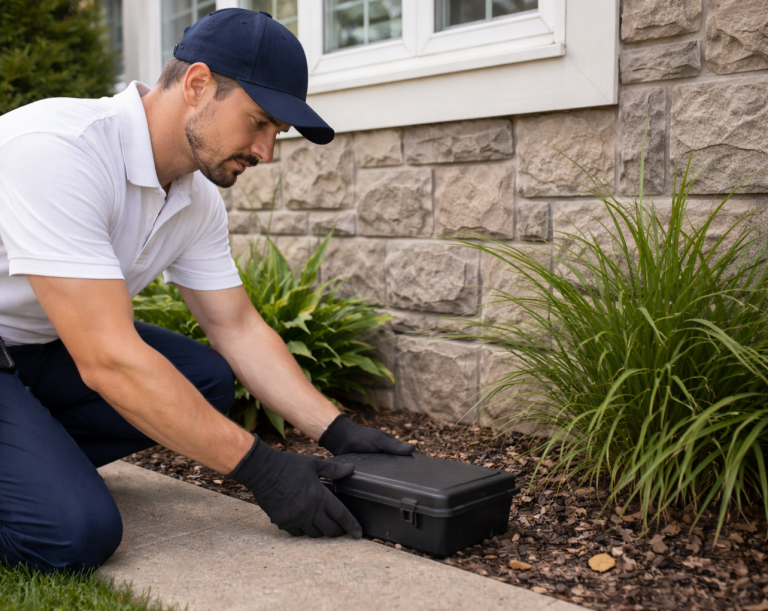
- Strategic placement of bait stations or traps
- Identification of nesting areas
- Recommendations to reduce attractants
- Ongoing monitoring when needed
Why Waiting Makes the Problem Worse
Rodent infestations driven by construction rarely resolve on their own. As nearby work continues, new rodents continue searching for shelter. Homes that are not properly sealed become repeat targets. Early action is the most effective way to protect your home.
Delaying treatment often leads to:
- Larger infestations
- More damage
- Higher repair costs
- Increased health risks
Protect Your Home During Hamilton’s Growth
Hamilton’s growth is not slowing down, and neither is rodent activity caused by construction. As neighborhoods change, proactive pest control becomes a necessary part of home maintenance.
If you live near an active construction site or have noticed increased rodent activity in your area, now is the time to act. Elite Pest and Wildlife Removal specializes in rodent control for homes affected by construction-related pressure. Our team understands local conditions and uses proven methods to remove rodents, seal entry points, and prevent repeat infestations.
Book an inspection with Elite Pest and Wildlife Removal today and protect your home before construction-driven rodent problems take hold.