
Hamilton’s location between the Niagara Escarpment, Lake Ontario, and numerous green spaces makes it a hotspot for wildlife activity. While many homeowners enjoy seeing animals in nearby parks and ravines, seasonal wildlife behaviour often brings animals uncomfortably close to homes. As the seasons change, so do the nesting habits of raccoons, squirrels, birds, skunks, bats, and other wildlife commonly found throughout Hamilton.
Understanding how each season influences wildlife nesting behaviour helps homeowners recognize early warning signs and take preventative action before animals move inside attics, walls, sheds, or under decks.
Why Seasonal Changes Matter for Wildlife
Wildlife is driven by survival needs such as shelter, warmth, food, and reproduction. Hamilton’s four distinct seasons create predictable shifts in animal behaviour, especially when it comes to nesting.
As temperatures fluctuate and food availability changes, wildlife adapts by seeking new nesting locations. Unfortunately, residential homes often provide ideal conditions that mimic natural shelters, but with fewer risks and greater comfort.
Spring: Peak Nesting and Baby Season
Spring is the most active nesting season for wildlife in Hamilton. As temperatures rise and daylight increases, animals focus on reproduction and raising young.
Raccoons and Squirrels
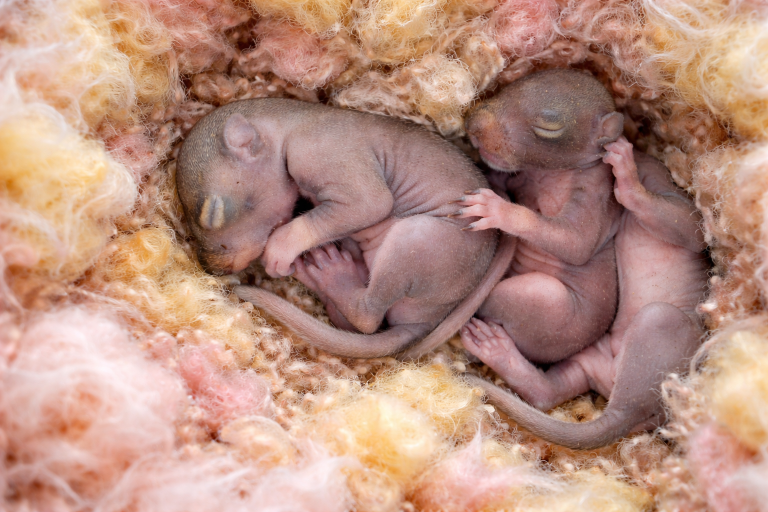
Female raccoons and squirrels aggressively search for safe, enclosed spaces to give birth. Attics are one of their top choices because they are warm, dry, and protected from predators. Roof vents, soffits, and rooflines are common access points during this time.
Once inside, mothers build nests using insulation and debris, often causing damage within days. Homeowners frequently notice loud noises, scratching, or movement overhead during spring evenings and early mornings.
Birds
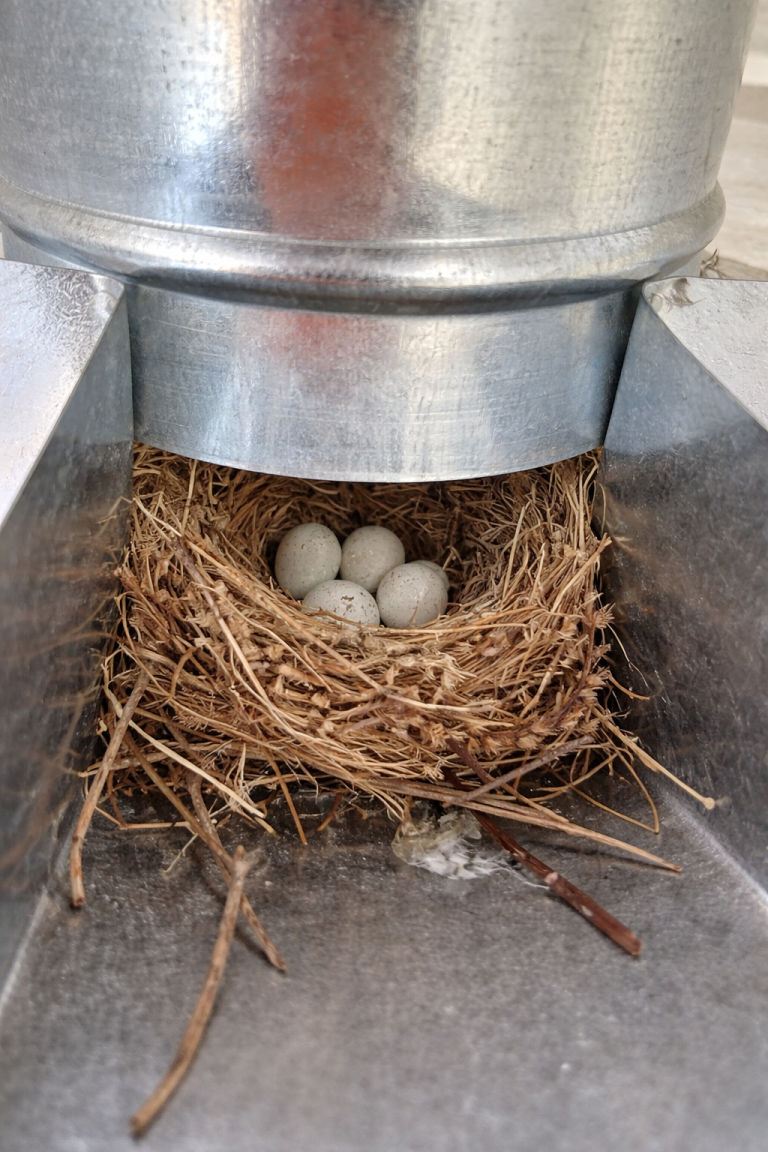
Birds also begin nesting in spring, targeting vents, soffits, bathroom exhaust fans, and eaves. While smaller in size, bird nests can still block ventilation and create fire hazards if left unaddressed.
Why Spring Is High Risk
Spring wildlife activity is especially problematic because many animals are protected while raising young. Improper removal attempts can lead to trapped babies, aggressive adult behaviour, and extensive damage as animals try to re-enter.
Summer: Established Nests and Increased Activity
By summer, many wildlife nests are already established. Young animals grow rapidly, increasing noise levels and movement inside structures.
Continued Attic Use
Animals that nested in spring often remain in attics throughout early summer. As babies mature, homeowners may hear increased movement, running, and thumping sounds.
Increased Foraging
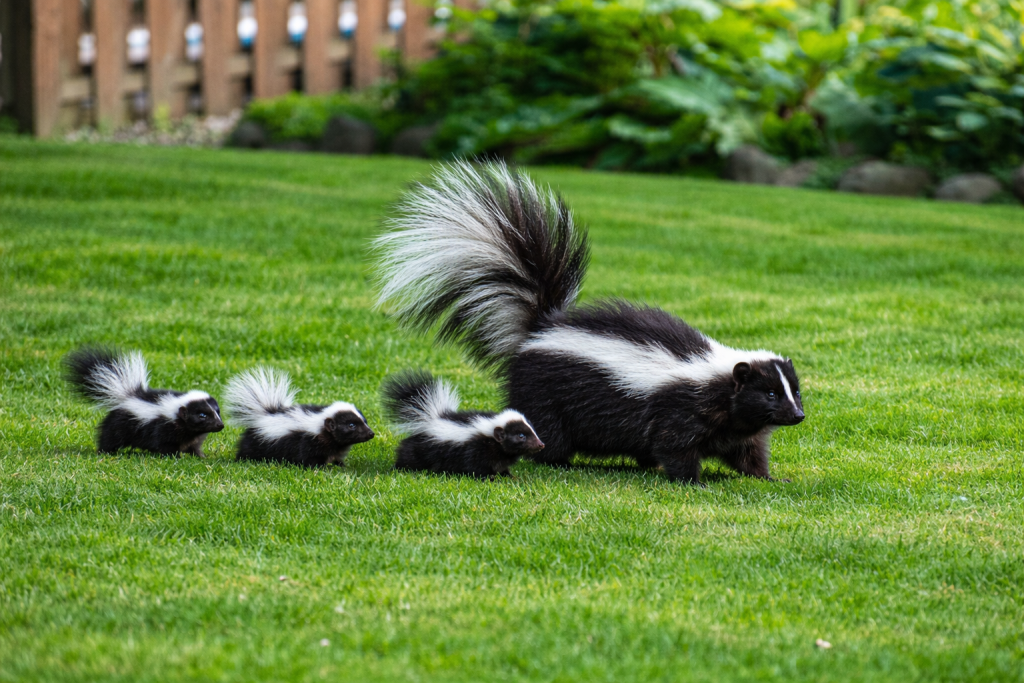
Summer also brings abundant food sources. Garbage bins, gardens, fruit trees, and pet food attract wildlife closer to homes. Raccoons and skunks are especially active around residential properties during warm months.
Secondary Nesting Attempts
Some animals, such as squirrels, may create secondary nests or move young between locations. This can result in multiple entry points being used across a roofline.
How Urban Development Influences Seasonal Nesting
Hamilton’s continued development has significantly altered wildlife behaviour. Construction displaces animals from natural habitats, forcing them into residential areas. As green spaces shrink or change, wildlife adapts by using homes as substitutes for trees, dens, and burrows. Seasonal nesting cycles that once occurred in forests now play out inside attics and under decks.
Common Seasonal Entry Points to Watch
Throughout the year, wildlife uses specific areas to access homes. Seasonal wear and tear can weaken these areas, making them more vulnerable at different times of year.
Common entry points include:
- Roof vents and soffits
- Fascia boards and rooflines
- Chimney caps
- Foundation cracks
- Utility penetrations
- Decks and sheds
Why Seasonal Inspections Are So Important
Because wildlife behaviour changes with the seasons, inspections should not be a one-time event. A home that was secure in winter may become vulnerable in spring due to material expansion, storm damage, or aging components. Addressing these issues early prevents full infestations and costly repairs.
Seasonal inspections help identify:
- New or worsening entry points
- Signs of nesting activity
- Damage from previous seasons
- Areas needing reinforcement
The Risks of Ignoring Seasonal Wildlife Activity
Wildlife is highly persistent. Once an animal successfully nests in a home, it is likely to return unless proper exclusion work is done. Failing to address seasonal wildlife behaviour can lead to:
- Structural damage
- Contaminated insulation
- Persistent odours
- Health risks from droppings and parasites
- Repeated infestations year after year
Why DIY Prevention Often Falls Short
Many homeowners attempt seasonal prevention themselves by sealing visible gaps or using deterrents. While these steps may help temporarily, they rarely address hidden vulnerabilities or existing nests. Without a full inspection, secondary access points often go unnoticed, allowing wildlife to continue entering unseen areas of the home.
Professional Wildlife Control Adapts to the Seasons
Effective wildlife control accounts for seasonal behaviour patterns. This approach protects homes through every season, not just when problems become obvious.
Professional services focus on:
- Timing removals safely and legally
- Preventing re-entry during high-risk seasons
- Using durable materials suited for year-round protection
- Identifying long-term vulnerabilities
Stay One Step Ahead of Wildlife
Hamilton’s changing seasons play a major role in how wildlife behaves and where animals choose to nest. From spring baby season to fall shelter-seeking and winter survival, each season brings unique risks for homeowners.
If you want to protect your home year-round, Elite Pest and Wildlife Removal offers professional inspections and humane wildlife control tailored to Hamilton’s seasonal conditions. Our team understands local wildlife patterns and knows how to prevent nesting before it becomes a problem. Book an inspection with Elite Pest and Wildlife today and keep wildlife out of your home through every season.