Home renovations are exciting. Whether you’re updating a kitchen, adding a new room, finishing a basement, or giving your home a long-overdue makeover, renovations breathe new life into a property. However, many homeowners don’t realize that construction work can also create perfect opportunities for pests to enter. Disturbed structures, exposed entry points, and construction debris all make it easier for insects, rodents, and wildlife to sneak inside.
Hamilton homeowners, in particular, often discover pest problems after completing renovations, especially in older homes with existing gaps or in neighbourhoods with active wildlife populations. Understanding how renovations attract pests helps you take the right preventive steps and avoid costly infestations.
This guide explains why renovations invite pests, which pests are most likely to appear, and how to protect your newly improved home.
Why Renovations Make Homes Vulnerable to Pests
Renovation projects create temporary weaknesses in the home’s structure. Even small changes can open the door to insects and wildlife.
Below are the most common ways pests move in during or after construction.
Opening Up Walls and Structural Cavities
Renovations often involve tearing down walls, accessing wiring, or removing old insulation. Once wall cavities are exposed, hidden pests may scatter or seek new shelter inside your home.
You might uncover:
- Mouse nests inside insulation
- Carpenter ants living in moist studs
- Old squirrel or raccoon entry points
- Cockroach activity around plumbing areas
Disturbing these areas forces pests to relocate, often into lived-in parts of the home.
Gaps Created During Construction
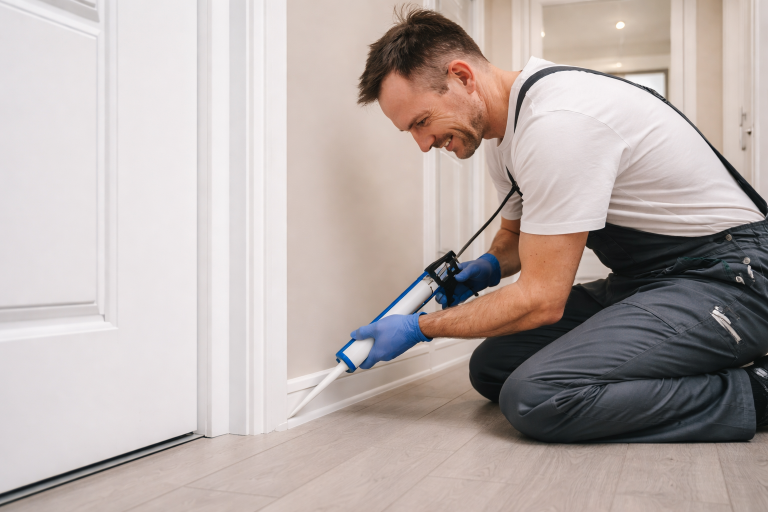
Temporary openings are inevitable during renovation. Even small gaps give pests easy access.
Common entry points include:
- Open windows without screens
- Unsealed gaps around new doors
- Holes for electrical wiring
- Open soffits or roofline gaps during exterior work
- Cracks around newly installed plumbing
Mice can enter through holes the size of a dime. Ants and spiders need even less space.
Increased Moisture From Construction
Renovation often introduces moisture through:
- Wet drywall
- Water spills
- Exposed plumbing
- Damp lumber
- Fresh concrete
Moisture attracts pests such as:
- Silverfish
- Cockroaches
- Ants
- Centipedes
- Termites in some regions
Wet conditions not only draw pests in, they help them thrive.
Clutter, Construction Debris, and Stored Materials
Renovation materials create natural hiding spots. Cardboard boxes, lumber piles, and insulation scraps become attractive shelter for pests.
During renovation, pests may hide in:
- Stacks of wood
- Tool bags
- Stored furniture
- Packaging materials
- Dust piles or debris bags
Contractors moving tools and supplies in and out also increase the flow of openings, making it easier for pests to slip inside unnoticed.
Outdoor Disturbances Driving Wildlife Indoors
Exterior renovations, such as roof repairs, siding replacement, or deck construction, often disturb existing wildlife nests around the home.
Examples include:
- Squirrels nesting in soffits
- Raccoons in rooflines
- Birds under eaves
- Mice near foundations
When their habitat is disrupted, wildlife quickly searches for safer shelter, often inside the home.
Renovations Can Change Airflow and Scent Patterns
It may sound surprising, but airflow changes affect pest behaviour. Newly sealed windows, improved insulation, or structural changes can redirect heat or scent trails, attracting pests toward certain entry points. Warm air escaping from a construction gap in winter is one of the strongest attractants for mice and wildlife.
Bringing Pests in on New Materials
Renovation materials sometimes carry pests into the home unknowingly.
Pest-carrying items include:
- Used furniture
- Lumber
- Appliances
- Construction equipment
- Cardboard shipping boxes
Cockroaches, spiders, beetles, and even mice sometimes hitch rides on materials stored in warehouses.
Common Pests Attracted During Home Renovations
Different pests respond to different construction conditions. Below are the species most likely to appear during renovation projects.
Mice and Rats
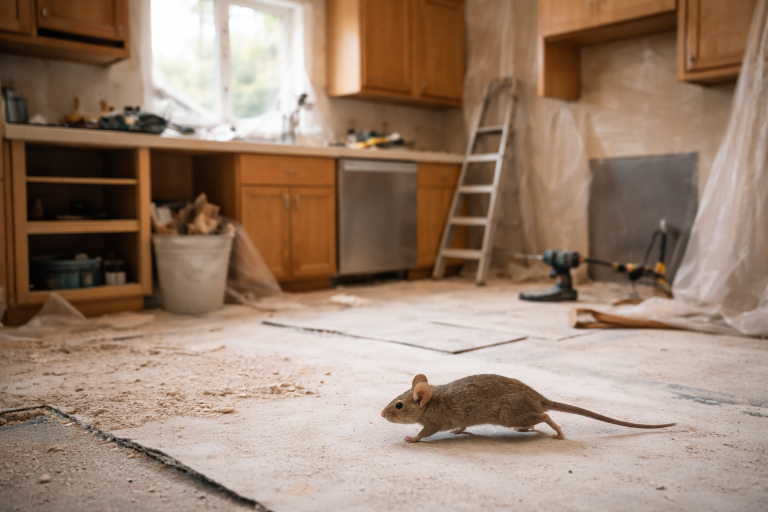
Rodents take advantage of temporary gaps, food debris, and new hiding places. They may nest inside wall cavities or insulation that has been freshly disturbed.
Ants
Carpenter ants and pavement ants are common in Hamilton homes. Renovations often expose moist wood, spilled sugar, or open framing, which attracts ant colonies quickly.
Cockroaches
Cockroaches often arrive via cardboard boxes, old appliances, or disturbed plumbing areas. Construction debris gives them plenty of hiding spaces until they spread further.
Spiders
Renovation dust, clutter, and open foundations attract spiders looking for places to build webs and feed on other insects.
Silverfish and Centipedes
Moisture-heavy renovations, especially in basements, attract these humidity-loving pests.
Wasps and Bees
Exterior construction during spring or summer can aggravate wasps or carpenter bees that nest in siding, soffits, or porch structures.
Wildlife (Raccoons, Squirrels, Skunks, and Birds)
When exterior structures are opened, wildlife may sense vulnerability and access attics, chimneys, or under-deck spaces.
How to Prevent Pests From Moving In During Renovations
A successful renovation doesn’t just look good, it must be pest-proof. Below are steps homeowners can take before, during, and after renovation to prevent unwanted infestations.
Before Renovation: Preparation and Inspection
Get a Pre-Renovation Pest Inspection
A professional technician can identify:
- Existing nests
- Vulnerable entry points
- Mouse activity inside walls
- Damp wood or structural rot attracting insects
Fixing these issues before renovation begins reduces surprises later.
Seal Visible Entry Points
Before construction starts:
- Repair cracks around windows and foundations
- Install door sweeps
- Replace damaged vent covers
- Seal gaps around utility lines
This limits access when contractors open large areas.
Store Materials Properly
Keep lumber and materials:
- Off the ground
- Covered
- Indoors or in sealed containers
This prevents pests from nesting before the renovation even starts.
During Renovation: Active Prevention
Keep Doors and Windows Closed When Possible
Ask contractors to close access points when not in use.
Maintain Clean Work Areas
Daily cleanup reduces attractants like:
- Food wrappers
- Sawdust
- Wet materials
- Cardboard
Check for Moisture Regularly
Repair any leaks immediately. Moisture is a magnet for pests.
Monitor for Pest Signs
If you notice droppings, insects, or noises in walls during renovation, call a professional right away.
After Renovation: Long-Term Protection
Seal Every New Opening
Once work is finished:
- Seal new plumbing holes
- Patch wall access points
- Replace missing screens
- Check all exterior caulking
Inspect Attics, Basements, and Crawlspaces
Renovations often disturb hidden pest pathways. Inspect these areas for activity.
Deep Clean the Space
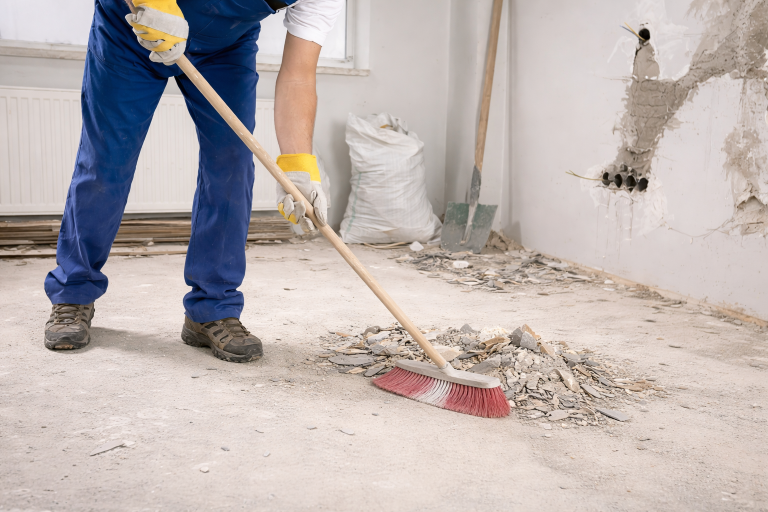
Dust, debris, and old materials provide hiding spots. A thorough post-renovation cleaning helps eliminate early infestations.
Book a Post-Renovation Pest Control Treatment
This is one of the most effective ways to prevent pests after construction. A technician can treat high-risk areas, reinforce vulnerable spots, and identify any early signs of activity.
Why Professional Pest Control Is Essential During Renovations
Homeowners may overlook pest vulnerabilities during renovation because their focus is on layout, design, and construction costs. Pest control professionals, however, look for subtle signs that even contractors miss.
Professionals Can Identify:
- Hidden rodent tunnels
- Moisture problems inside walls
- Early cockroach activity
- Weak soffits and roofline gaps
- Entry points around utility penetrations
- Wildlife access areas near attics
Treating issues early prevents long-term damage, costly repairs, and re-infestations after the renovation is complete.
Renovating? Keep Unwanted Guests Out!
Renovations should make your home better, not invite pests inside. If you’re starting a project or already discovering signs of pest activity, Elite Pest & Wildlife Removal is here to help protect your investment and keep your home pest-free.
Call 226-208-7793 or visit www.elitepestandwildlife.ca to schedule your pest control service today.