
Rodents are more than just an unpleasant nuisance. When mice or rats enter a home, they bring serious health risks along with them. Many homeowners focus on the noise, droppings, or property damage rodents cause, but the greatest concern is often invisible. Rodents can spread bacteria, viruses, and parasites throughout a home in ways that are easy to overlook and difficult to control once an infestation takes hold.
Understanding how rodents transmit disease indoors is essential for protecting your household. From contaminated surfaces and airborne particles to parasites carried on their fur, rodents can impact indoor health long after they are gone. This article explains how disease spreads inside homes, which illnesses are most commonly associated with rodents, and why early intervention matters.
Why Rodents Are a Health Risk Indoors
Rodents thrive in close proximity to humans because homes provide warmth, shelter, and food. Once inside, they move freely through walls, attics, kitchens, basements, and storage areas. Along the way, they leave behind urine, droppings, nesting materials, and bacteria.
Unlike wildlife that stays outdoors, rodents contaminate the same spaces people cook, eat, sleep, and play. Because they are active mostly at night, many homeowners are unaware of how extensively rodents travel through their living space.
Even a small infestation can expose occupants to health hazards.
Rodent Droppings and Urine: A Major Source of Contamination
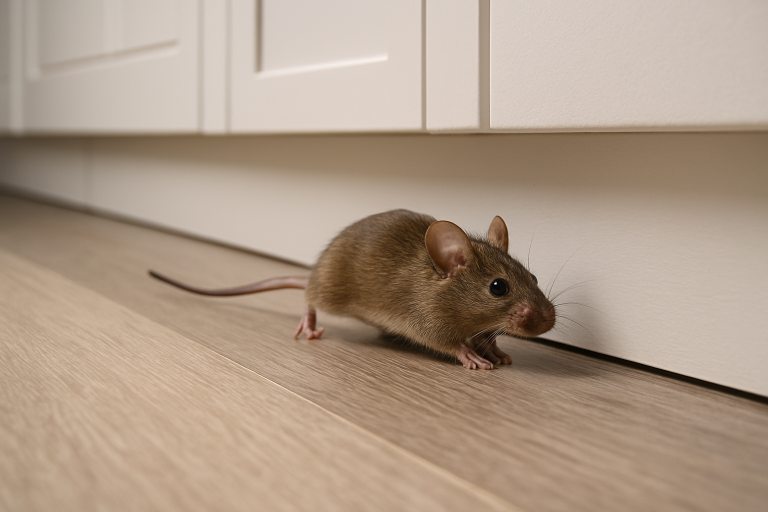
One of the most common ways rodents spread disease is through their droppings and urine.
How Contamination Occurs
Mice and rats urinate constantly as they move, leaving microscopic traces behind. Droppings accumulate in cupboards, drawers, behind appliances, inside walls, and in attics. Over time, these waste materials contaminate surfaces and indoor air.
When droppings dry out, they can crumble into fine particles. Normal household activities such as sweeping, vacuuming, or even walking can disturb these particles and release them into the air.
Health Risks
Rodent waste can carry pathogens linked to illnesses such as:
- Hantavirus
- Leptospirosis
- Salmonella
- Lymphocytic choriomeningitis (LCM)
Inhalation or accidental ingestion of contaminated particles can lead to infection.
Airborne Transmission Inside the Home
Many people assume rodent-borne diseases require direct contact. In reality, airborne exposure is a significant risk indoors.
How Rodent Waste Becomes Airborne
Rodent urine and droppings dry out over time, especially in attics, wall voids, and basements. When disturbed, particles can become airborne and circulate through the home.
Heating and cooling systems can further spread contaminated dust through vents and ductwork. This increases exposure even in rooms where rodents were never seen.
Why This Is Dangerous
Airborne pathogens are easy to inhale and difficult to detect. People may become sick without ever touching a rodent or its waste directly.
Food and Surface Contamination
Rodents contaminate food and food-preparation surfaces as they search for nourishment.
How Rodents Spread Bacteria in Kitchens
Mice and rats crawl across counters, inside cupboards, and through pantries. As they move, bacteria from their feet, fur, droppings, and urine transfer to surfaces.
They also chew through food packaging, leaving behind saliva and waste. Even sealed boxes and bags are vulnerable.
Health Concerns
Food contaminated by rodents can transmit bacteria such as Salmonella and E. coli. These bacteria can cause gastrointestinal illness, especially in children, older adults, and individuals with weakened immune systems.
Many cases of foodborne illness linked to rodents occur without the homeowner realizing contamination ever happened.
Parasites Carried by Rodents
Rodents do not arrive alone. They often carry parasites that create additional health risks.
Common Rodent-Associated Parasites
- Fleas
- Mites
- Ticks
These parasites can leave the rodent host and spread throughout the home, biting humans and pets.
Secondary Disease Risks
Fleas and ticks can transmit diseases of their own, including:
- Flea-borne typhus
- Lyme disease
- Plague (rare but historically associated with rodents)
Even after rodents are removed, parasites may remain active unless treated properly.
Nesting Materials and Hidden Contamination
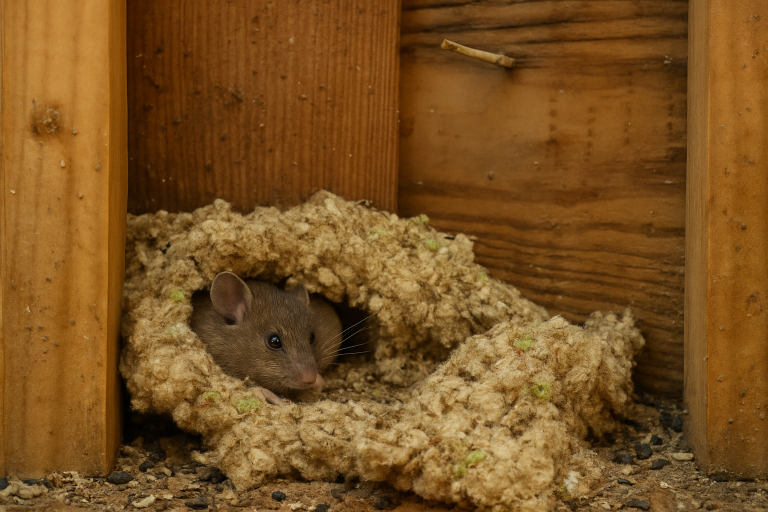
Rodents build nests using insulation, paper, fabric, and stored items. These nests become concentrated sources of contamination.
Where Nests Are Commonly Found
- Attics
- Wall cavities
- Behind appliances
- Storage rooms
- Garages
Nesting areas often contain large amounts of droppings, urine, and parasites. Because these spaces are rarely accessed, contamination can remain unnoticed for long periods.
Long-Term Exposure Risks
Hidden contamination can lead to persistent odours, poor indoor air quality, and ongoing health issues even after rodent activity appears to stop.
Rodent Bites and Direct Contact
Although less common than indirect transmission, direct contact can still occur.
Bites
Rodents may bite if cornered or handled. Bites can introduce bacteria into the wound and require medical attention.
Handling Contaminated Items
Cleaning droppings, nests, or contaminated insulation without proper protection increases exposure risk. Bare-handed cleanup or dry sweeping is especially hazardous.
Who Is Most at Risk in the Home
While anyone can be affected, certain groups face higher risks from rodent-borne diseases.
- Young children who play on floors and touch surfaces frequently
- Older adults with weaker immune systems
- Individuals with asthma or respiratory conditions
- People with compromised immune systems
- Pets that come into contact with rodents or contaminated areas
In multi-unit buildings, rodents can spread disease between units, increasing risk for entire households.
Why DIY Cleanup Can Make Things Worse
Many homeowners attempt to clean rodent droppings themselves without realizing the danger.
Common Mistakes
- Sweeping or vacuuming dry droppings
- Not wearing gloves or masks
- Failing to disinfect surfaces properly
- Ignoring contaminated insulation
Improper cleanup can release airborne particles and spread contamination further throughout the home.
Professional remediation uses controlled methods to remove waste safely and sanitize affected areas.
How Rodent Control Reduces Disease Risk
Effective rodent control is not just about trapping or removal. It requires a comprehensive approach.
Key Steps Include
- Identifying entry points
- Removing rodents safely
- Sealing access areas to prevent re-entry
- Cleaning and sanitizing contaminated spaces
- Replacing damaged insulation when necessary
Stopping rodents from entering is the most effective way to prevent disease transmission.
Signs That Rodent-Related Health Risks May Be Present
Some warning signs indicate that contamination may be affecting your home.
- Persistent musty or ammonia-like odours
- Droppings in kitchens, pantries, or storage areas
- Scratching noises in walls or ceilings
- Unexplained illness in household members
- Pets reacting to walls or cabinets
If these signs are present, inspection and action should not be delayed.
Don’t Let Rodents Run the House
Rodents don’t just damage property. They can quietly compromise the health of everyone inside your home. Droppings, urine, contaminated air, and parasites can spread illness long before a rodent is ever seen. The sooner the problem is addressed, the easier it is to stop the risks from growing.
Schedule professional rodent treatment with Elite Pest and Wildlife Removal to eliminate rodents safely, seal entry points, and protect your home from ongoing health concerns.