Skip to content
As winter begins to loosen its grip across Southern Ontario, many homeowners look forward to warmer days and the disappearance of snow. But March brings more than just a seasonal transition. The snowmelt that seems harmless on the surface can quietly create the perfect conditions for insect activity around and inside your home.
Basements and crawl spaces are especially vulnerable during this time of year. As moisture levels rise and the ground thaws, insects that have been dormant or hidden begin to move. For homeowners in Hamilton and surrounding areas, this is often the beginning of spring pest problems.
Understanding how snowmelt contributes to insect activity can help you stay ahead of infestations and protect your home before issues escalate.
Why Snowmelt Creates Ideal Conditions for Insects
When snow begins to melt in March, a large volume of water is released into the soil around your home. Unlike heavy rainfall that drains more quickly, snowmelt tends to saturate the ground slowly. This prolonged moisture exposure creates damp, cool environments that many insects thrive in.
Basements and crawl spaces are naturally cooler and darker than the rest of the home. When moisture seeps through foundation walls, floor joints, or small cracks, it creates a habitat that attracts a range of pests.
Insects are driven by three main survival needs: moisture, shelter, and food. Snowmelt helps provide at least two of those conditions immediately. Once insects find their way inside, they often remain hidden until populations grow.
Common Insects Attracted to Basements During Snowmelt
Several types of insects become more active as snow melts and soil conditions shift. While not all of them are harmful, many can become persistent nuisances once they establish themselves indoors.
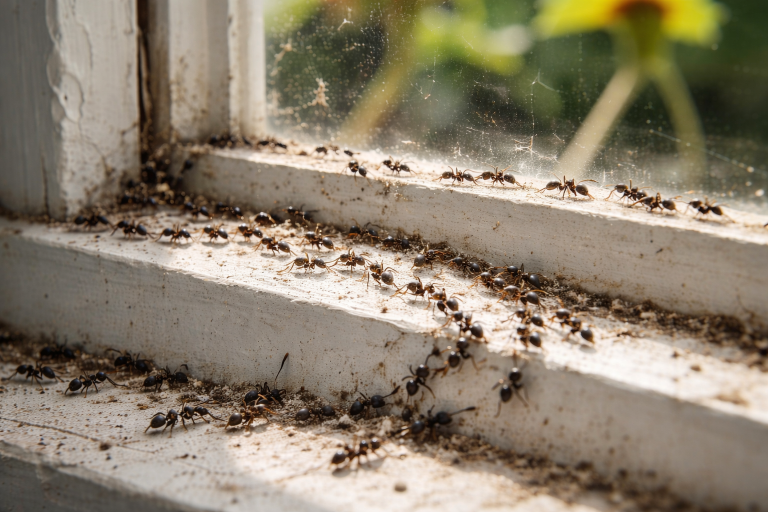
Ants are among the most common early spring invaders. As colonies wake up, they begin searching for food and moisture. If your foundation has even the smallest entry point, ants can quickly find their way inside.
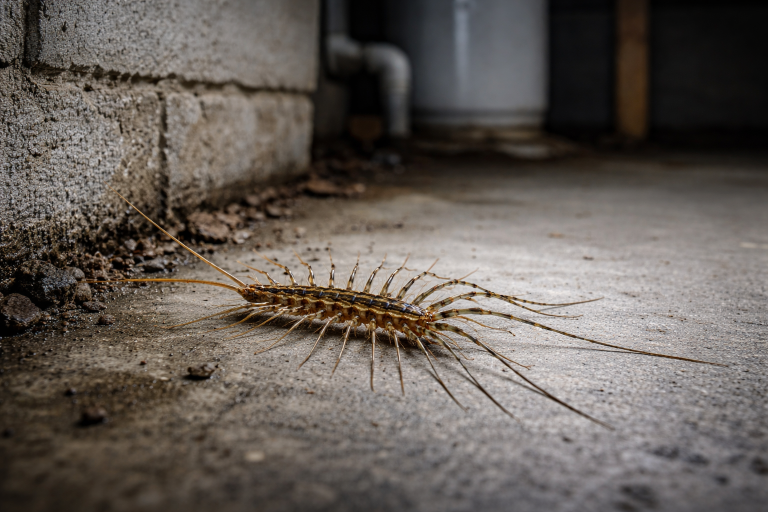
Centipedes and millipedes are strongly attracted to damp environments. These pests often migrate indoors when outdoor conditions become too wet, making basements a prime target.
Springtails are tiny insects that thrive in moisture-heavy environments. They are often found near foundation walls, sump pumps, or areas with excess humidity.
Spiders tend to follow other insects. As prey becomes more active indoors, spiders move in to feed. This can lead to a noticeable increase in spider activity in basements during early spring.
Sowbugs and pill bugs are also common during snowmelt. These moisture-loving pests typically live outdoors but will enter homes when conditions become overly saturated.
How Moisture Enters Basements and Crawl Spaces
Snowmelt alone does not cause infestations. The issue begins when water finds its way into your home.
As the ground thaws, hydrostatic pressure builds around your foundation. This pressure can force water through tiny cracks in concrete, gaps around pipes, and porous building materials. Even homes without visible leaks can experience increased humidity levels during this time.
Crawl spaces are particularly susceptible because they are often poorly sealed and ventilated. Standing water or damp soil beneath the home creates an ongoing moisture source that attracts insects.
In many cases, homeowners are unaware of the problem until pests begin appearing inside.
Early Signs of a Moisture-Driven Pest Problem
Catching pest activity early can make a significant difference in how easily it can be controlled.
You may begin to notice small insects gathering near baseboards, windows, or utility areas in the basement. Ant trails may appear along foundation walls or near entry points. In some cases, homeowners report seeing insects around floor drains or sump pump areas.
Another common sign is increased spider activity. If you are suddenly seeing more spiders than usual, it often indicates a rise in other insects inside the home.
Musty odours can also signal excess moisture. Even if insects are not immediately visible, the conditions that attract them may already be present.
Preventing Spring Pest Problems Before They Start
March is the ideal time to take proactive steps against pest activity. Waiting until insects are fully established indoors often leads to more extensive and costly treatments.
Simple preventative measures can go a long way. Ensuring that downspouts direct water away from the foundation, checking for visible cracks, and keeping basement areas dry can reduce the likelihood of infestations.
However, even well-maintained homes can experience pest issues due to seasonal changes. This is why many homeowners choose to schedule preventative treatments before peak activity begins.
Why Basements and Crawl Spaces Should Not Be Ignored
Out of sight does not mean out of risk. Basements and crawl spaces are often overlooked when it comes to pest prevention, yet they are among the most common entry points for insects.
Once pests establish themselves in these areas, they can gradually spread to other parts of the home. What starts as a minor issue in March can turn into a widespread infestation by late spring.
Addressing the problem early helps protect not only your home but also your comfort and peace of mind.
Why DIY Prevention Often Falls Short
Many homeowners attempt to manage early spring pests with store-bought sprays or traps. While these solutions may provide temporary relief, they rarely address the root cause of the problem.
Insect activity linked to snowmelt is driven by environmental conditions. Without addressing moisture entry points and potential nesting areas, pests will continue to return.
Surface treatments may kill visible insects, but they do not eliminate colonies or prevent new ones from entering. This is especially true for ants and moisture-driven pests that originate outside the home.
Long-term prevention requires a more comprehensive approach that combines inspection, treatment, and exclusion.
Professional Solutions That Actually Work
Effective pest control during snowmelt season starts with understanding how and where insects are entering your home.
A professional inspection allows technicians to identify key problem areas such as foundation cracks, gaps around utility lines, and moisture accumulation zones. From there, targeted treatments can be applied to eliminate active pests and reduce future activity.
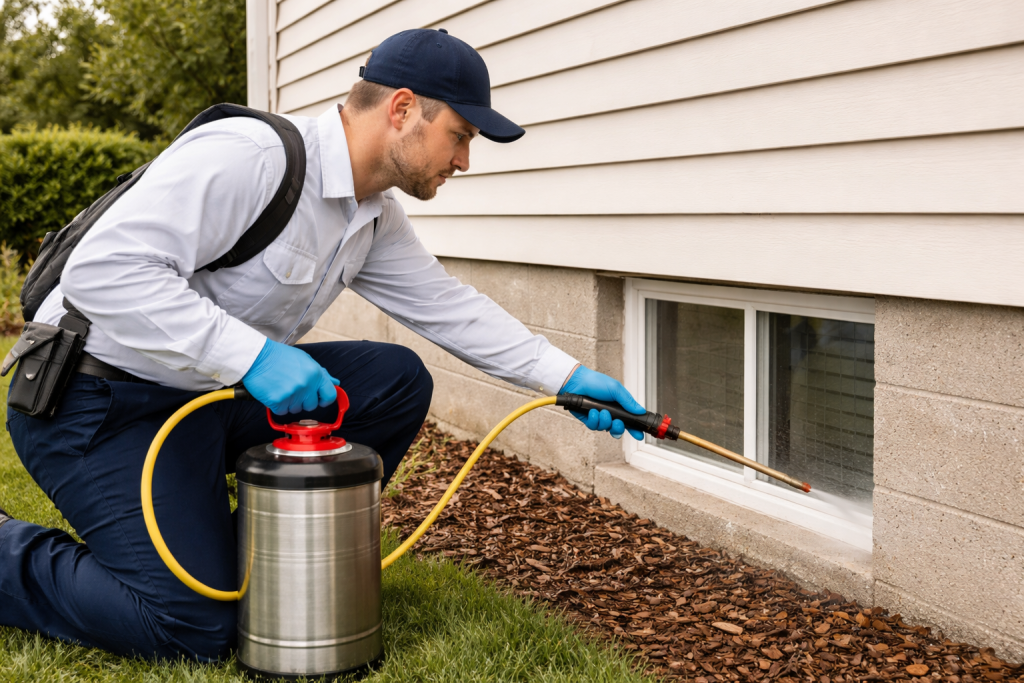
Interior treatments focus on areas where insects are already present, while exterior applications create a protective barrier around the home. This dual approach helps stop pests at the source rather than simply reacting to what is visible indoors.
In addition to treatment, recommendations for moisture control play a critical role. This may include improving drainage around the home, sealing entry points, or addressing ventilation issues in crawl spaces.
Book Your Spring Pest Control Service Today
If you are noticing increased insect activity or want to prevent problems before they start, now is the time to act. Snowmelt creates a short window where conditions are ideal for pests to move indoors, and early intervention makes all the difference.
At Elite Pest and Wildlife Removal, we specialize in identifying and treating moisture-driven pest issues common during the spring season. Our team provides thorough inspections, targeted treatments, and practical solutions to keep your home protected.
Contact our team today to schedule your service and get ahead of spring pests before they take hold.