
Mice are one of the most common pests invading sheds, garages, and outdoor storage areas across Hamilton. As the weather cools or when food becomes scarce, these small rodents search for shelter anywhere they can squeeze into, and even the smallest gap is enough. Once inside, mice build nests in storage bins, chew wiring, damage tools, ruin seasonal decorations, and contaminate belongings with droppings. What starts as a small problem can quickly become a long-term infestation that spreads to your home.
Hamilton’s combination of older neighbourhoods, lush green spaces, and fluctuating weather makes outdoor buildings especially vulnerable. Whether you have a backyard shed, a detached garage, a storage locker, or a garden structure, protecting it from mice is essential for keeping your property safe and preventing costly repairs.
This guide explains why sheds attract mice, the most common signs of rodent activity, and the most effective strategies to keep them out.
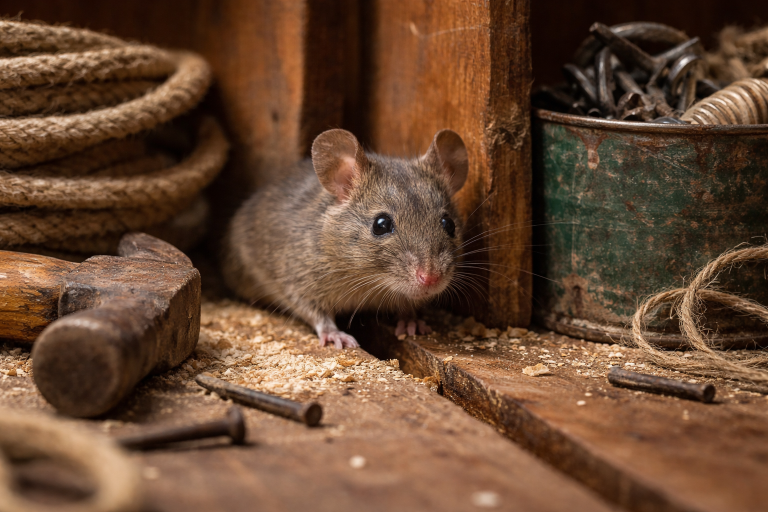
Why Sheds and Outdoor Storage Attract Mice in Hamilton
Mice prefer spaces that offer warmth, shelter, and food. Outdoor structures often provide all three without the regular foot traffic found inside homes.
Easy Entry Points
Mice only need a hole the size of a dime to enter. Sheds often have gaps around:
- Baseboards
- Rooflines
- Door frames
- Foundation edges
- Vent openings
Quiet, Undisturbed Spaces
Sheds and storage units are quiet for long periods. This makes them ideal for nesting and raising young without interruption.
Stored Food and Garden Supplies
Birdseed, pet food, grass seed, fertilizer, and garbage are strong attractants. Even sealed bags can be chewed through easily.
Clutter and Hiding Spots
Tools, boxes, old furniture, and yard supplies create numerous hiding places. Mice thrive in cluttered spaces with little airflow.
Warmth and Protection
Outdoor sheds heat up during the day and hold warmth overnight. During the fall and winter, mice seek this warmth to escape the cold.
Proximity to Vegetation
Sheds near compost bins, wood piles, gardens, or overgrown shrubs are more likely to attract rodents.
How to Tell if Mice Are Living in Your Shed or Storage Area
Mice are excellent at hiding, so visual sightings are not always the first sign. Early detection helps prevent a severe infestation.
Signs to look for:
Droppings
Small, dark, rice-sized droppings are a telltale sign.
Gnaw Marks
Chewed bags, wires, boxes, or plastic storage bins indicate rodent activity.
Nests
Mice build nests from insulation, paper, leaves, and shredded fabric. Nests are usually found in corners or inside shelving.
Noises
Scratching, rustling, or scurrying often occurs at night.
Strong Odours
A musty, urine-like smell is a common sign of active nests.
Tracks and Rub Marks
Footprints in dust or dirty streaks along baseboards indicate mice moving around.
Damaged Stored Items
Mice destroy:
- Garden furniture covers
- Seasonal decorations
- Camping gear
- Cardboard storage boxes
- Old clothing or linens
How Mice Enter Sheds and Outdoor Storage
Homeowners are often surprised by how easily mice can slip inside, but with proper prevention, these access points can be sealed. Understanding how mice enter helps you block their common pathways.
Typical entry points include:
Gaps Under Doors
Even a small crack under a shed or garage door can let mice inside.
Unsealed Rooflines
Loose shingles, gaps in soffits, or unfinished rooflines create easy access.
Cracks in Foundations
Concrete shifts over time, creating narrow gaps for rodents.
Vents and Utility Openings
Any hole for air circulation, electrical lines, or hoses can be exploited.
Rotted Wood
Older sheds with wood rot are vulnerable to chewing and entry.
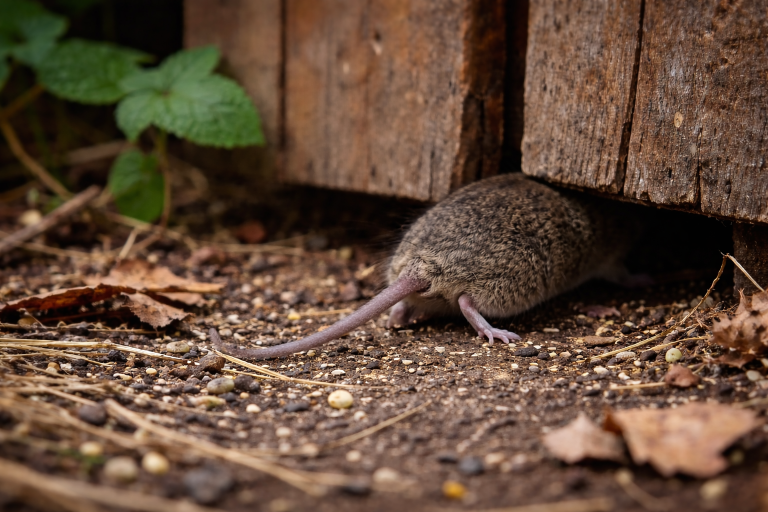
How to Keep Mice Out of Sheds and Outdoor Storage in Hamilton
Below are the most effective, long-term strategies to deter mice from entering your outdoor structures.
Seal All Gaps and Holes
This is the most important step. Inspect your shed carefully and seal any openings using:
- Steel wool
- Metal mesh
- Expanding foam (only when reinforced with mesh)
- Exterior-grade caulking
Special areas to pay attention to are:
- Door frames
- Eave gaps
- Window frames
- Foundation edges
- Roofline seams
Install a Door Sweep
A door sweep blocks gaps under shed or garage doors. Choose a rodent-resistant, heavy-duty sweep instead of a thin rubber one.
Store Food Properly
Outdoor sheds often contain attractive food sources.
Avoid storing:
- Birdseed
- Grass seed
- Pet food
- Bulk grains
If storage is unavoidable, use sealed metal bins, not plastic or cardboard. Mice easily chew through both.
Reduce Clutter and Improve Organization
Keeping your shed clean makes it less inviting. Fewer hiding places equal fewer opportunities for nesting.
Try:
- Using sealed storage totes
- Hanging tools on walls
- Keeping floors clear
- Eliminating piles of fabric, paper, or cardboard
Improve Ventilation and Reduce Moisture
Mice prefer humid or poorly ventilated areas. Drier spaces discourage both mice and insects.
To reduce moisture:
- Fix leaks
- Use screened vents
- Allow airflow
- Keep the shed off the ground with proper supports
Trim Vegetation Around the Shed
Overgrown shrubs or weeds create a perfect path for rodents. Clean surroundings make it harder for mice to approach undetected.
Keep vegetation:
- At least one foot away from the shed
- Trimmed regularly
- Clear of debris and leaf piles
Keep Compost and Garbage Bins Secure
Outdoor waste attracts rodents quickly.
Use:
- Sealed garbage bins
- Latching compost bins
- Raised storage for bags and bins
Elevate Stored Items Inside
Avoid storing materials directly on the ground. Mice are less likely to nest when storage is off the floor.
Use:
- Shelving units
- Wall hooks
- Ceiling-mounted racks
Use Rodent-Resistant Materials in Shed Construction
Rodent-resistant materials add long-term protection. If you’re building or upgrading your shed:
- Use pressure-treated lumber
- Reinforce vulnerable areas with metal flashing
- Install tight-fitting doors
- Use hardware cloth instead of plastic screens
Consider Professionally Installed Bait Stations
For sheds experiencing frequent activity, strategically placed exterior bait stations can prevent long-term infestations. These should be installed by professionals to avoid misuse or access by pets and wildlife.
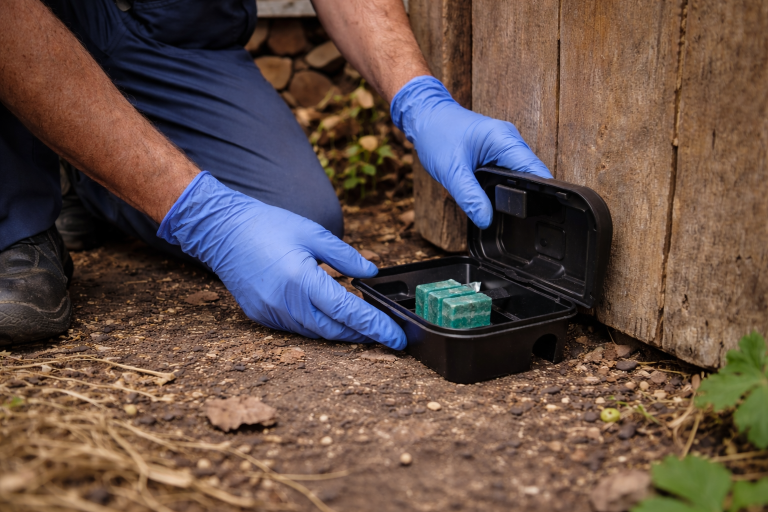
When to Call a Professional Pest Control Company
Some mouse issues become too large to handle alone, especially when:
- You find multiple nests
- Dropping levels keep increasing
- Chewed wires or insulation appear
- Mice have spread into your home
- You see mice in daytime hours
- Damage becomes severe
Professionals identify weak spots, seal entry points, and use safe, effective treatment methods to eliminate mice completely.
A technician also checks for damage caused by mice, such as:
- Chewed wiring
- Contaminated insulation
- Damaged storage items
- Structural entry points
Kick Mice Out For Good!
Don’t let mice turn your shed or outdoor storage into their new home. With proper prevention and help from trusted professionals, you can protect your belongings year-round. If you’re seeing signs of rodents or want expert prevention, Elite Pest & Wildlife Removal is ready to help.