
Hamilton is known for its historic neighbourhoods and unique architectural styles. Areas such as Durand, Kirkendall, Strathcona, Stinson, Beasley, and parts of Dundas and Ancaster feature beautiful older houses with stone or mixed-material foundations that date back decades. Some more than a century! While these foundations give Hamilton homes much of their charm, they also pose a major challenge for modern homeowners: they are highly vulnerable to mouse entry.
Old stone foundations shift, settle, and weaken over time. Mortar breaks down, stones separate, and tiny gaps open up along floors and walls. Mice only need a hole the size of a dime to squeeze through, so even minor deterioration provides an easy path into basements, crawl spaces, furnace rooms, and eventually the main living areas of the home.
If you’re living in one of Hamilton’s older houses and you’re seeing rodent activity, the foundation is often the root of the problem. The good news is that there are many effective ways to protect your home and stop mice from entering through these aging structures.
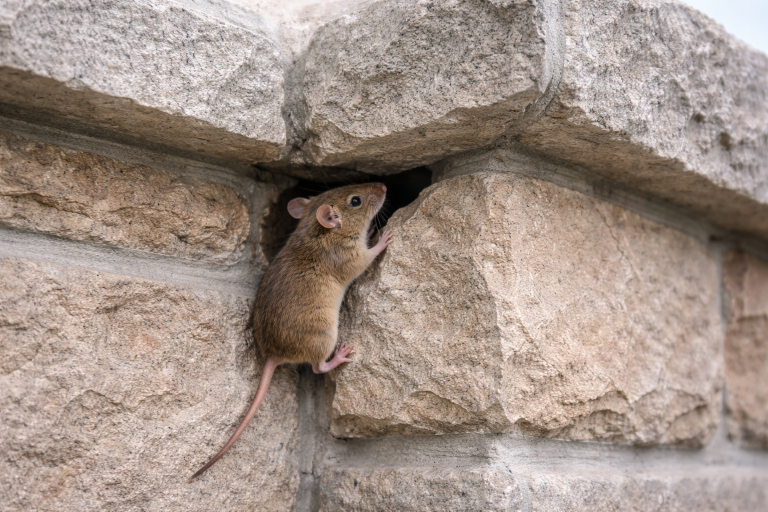
Why Stone Foundations Are Vulnerable to Mice
Stone foundations behave very differently from modern poured concrete. The gaps between stones were filled with mortar that breaks down over decades, and the natural movement of the home increases the size of those gaps over time.
Hamilton’s climate contributes significantly to this issue. Winter freeze-thaw cycles cause stone and mortar to expand and contract repeatedly. Moisture seeps into old mortar, weakens it, and creates tiny channels. Tree roots, ground pressure, and natural settling add to the problem, creating spaces that are not always visible from the inside.
For mice, these foundations become a network of small openings, hidden tunnels, and warm interior voids. Once they find a gap, they follow it into basements, kitchen walls, and attic spaces.
Signs Mice Are Entering Through the Foundation
When mice enter through a stone foundation, their activity usually begins in the basement and moves upward. Homeowners often notice:
- Droppings along basement walls, near the furnace, laundry area, or under shelving
- Small piles of mortar dust near cracks
- Shredded insulation or stored items
- Chewed gaps where plumbing lines enter the home
- Scratching noises behind basement walls or ceilings
- Cool drafts coming through gaps between stones
If these signs appear near the perimeter of the basement walls, the foundation is almost always the entry point.
Inspecting Your Stone Foundation
The first step in preventing mouse entry is inspecting both the interior and exterior sides of the foundation. Because stone foundations are irregular, gaps may not be immediately obvious.
Interior inspection tips:
Walk along the basement perimeter slowly and pay attention to dark corners, floor–wall junctions, and areas behind shelving. Look for visible light penetrating through cracks, uneven mortar, and missing material between stones. Use a flashlight to examine the entire wall surface from ground level upward.
Exterior inspection tips:
Check the exterior of the foundation for crumbling mortar, exposed gaps between stones, and areas where soil erosion has created small openings. Make sure to inspect behind shrubs or bushes, as vegetation often hides the problem areas that rodents use.
Sometimes the exterior appears intact while the interior shows clear gaps. This is common in older stone foundations, where deterioration can appear from the inside long before it is visible outside.
Sealing Gaps in Stone Foundations
Sealing a stone foundation requires more care than sealing a modern concrete foundation because the surface is uneven and gaps vary widely in size and depth.
Mortar Patching
For larger openings, replacing missing mortar is one of the most effective long-term solutions. A mason or foundation specialist can apply new mortar that blends into the original material and reinforces the structure. This not only blocks mice but also improves the overall stability of the wall.
Expandable Foam (Used Strategically)
Expanding foam alone is not ideal for exterior foundation repairs, as mice can chew through it. However, foam used behind steel wool or mesh can help seal irregular voids and provide insulation.
Steel Wool and Hardware Cloth
For smaller gaps, stuffing steel wool deep into the opening creates a barrier rodents cannot chew through. Covering the area with hardware cloth or metal flashing adds a second layer of protection and prevents mice from pushing the steel wool out.
Concrete Patching
For mixed stone-concrete foundations, hydraulic cement can be used to seal tight gaps. It sets quickly and resists moisture, making it ideal for areas near ground level.
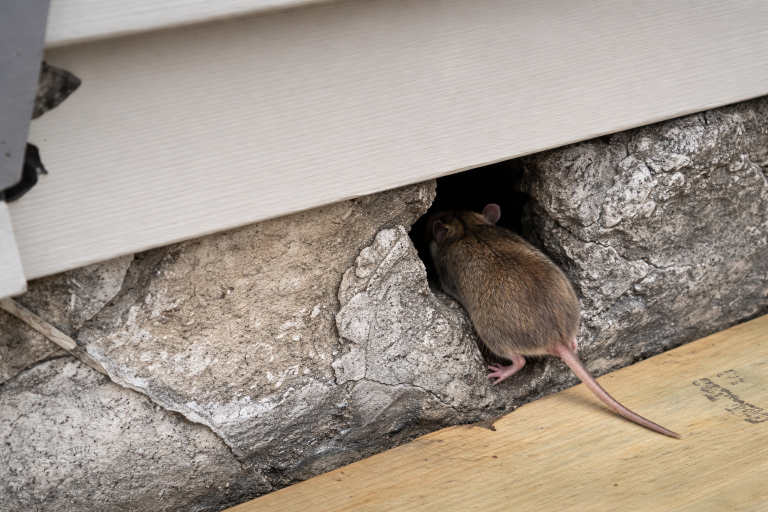
Addressing Foundation and Floor Gaps
Many old Hamilton homes have slight separations where the foundation meets the basement floor. Over time, these gaps widen and become a common rodent entry point. Even tiny openings at the base of the wall can be enough for mice to squeeze through.
To seal them effectively:
- Ensure the gap is cleaned out before filling
- Use a combination of steel wool and mortar or hydraulic cement
- Seal small hairline cracks to prevent them from widening over time
Preventing Entry Through Basement Windows and Vents
Basement windows, window wells, and foundation vents also contribute to rodent problems. Replacing damaged screens with metal mesh and sealing gaps with mortar or caulking helps prevent rodents from using these areas as access points.
Check for:
- Rotting wooden frames
- Gaps around window edges
- Ripped or missing screens
- Damaged window wells
- Openings around vent covers
Exterior Grading and Drainage
Water damage accelerates foundation deterioration. Poor drainage causes moisture to seep into mortar, increasing the number of small openings mice can use.
Improving exterior grading keeps water moving away from the house. Extending downspouts, repairing eavestroughs, and clearing debris that traps moisture all help preserve the foundation, and reduce rodent entry.
Interior Prevention Measures
Even after sealing the foundation, interior measures help reduce rodent activity and prevent entry in other areas of the home.
Declutter the basement
Mice thrive in cluttered areas where they can hide behind boxes, furniture, and stored items. Keeping storage elevated and organized makes activity easier to detect.
Seal plumbing and utility penetrations
Where wires, pipes, and HVAC lines enter the home, mice often widen the gap to gain access. Sealing these openings with steel wool and caulking prevents their movement between rooms.
Store food securely
Basements often contain bird seed, pet food, or pantry overflow. Using sealed containers removes major attractants.
Maintain a clean kitchen
Mice follow the smell of food. Even if they enter through the foundation, they often end up in the kitchen. Wiping crumbs, sealing dry goods, and avoiding food left out overnight reduces their motivation to travel deeper into the home.
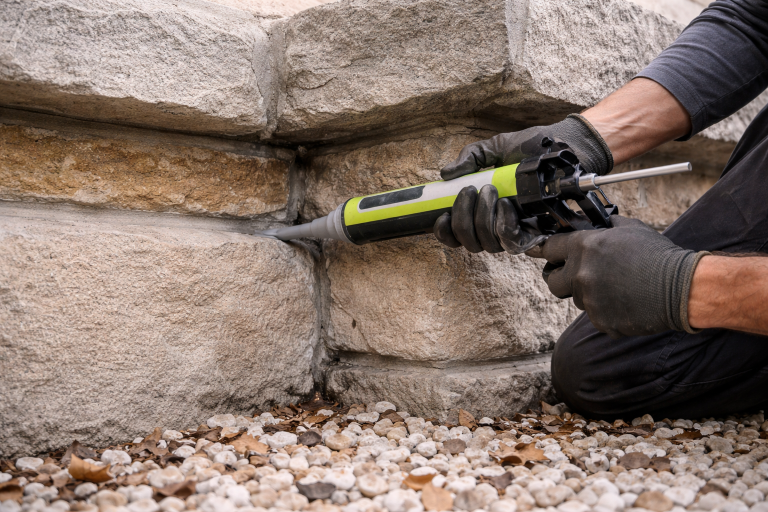
Professional Exclusion for Stone Foundations
Because stone foundations are irregular and sometimes fragile, professional exclusion is often the most reliable option. A technician experienced with Hamilton’s older homes can identify hidden gaps, recommend structural repairs, and install rodent-proof materials that last through freeze-thaw cycles.
Professionals also place exterior bait stations around the perimeter to reduce the rodent population before mice attempt to enter. This combination of baiting and sealing is the most effective way to create long-term protection for homes with old foundations.
Protecting Hamilton’s Historic Homes From Rodents
Stone foundations add charm and character but they require ongoing maintenance, especially when it comes to preventing rodent entry. By inspecting regularly, sealing gaps properly, managing moisture, and working with professionals when needed, homeowners can protect their basements, kitchens, and living spaces from persistent mouse activity.
For homeowners who want lasting protection or need help addressing an active infestation, Elite Pest and Wildlife Removal provides expert rodent control, exclusion work, and foundation sealing services across Hamilton, Ancaster, Stoney Creek, Dundas, and Burlington.
To book a prevention inspection or learn more about securing your foundation, call 226-208-7793 or visit elitepestandwildlife.ca.