
As temperatures drop, rodents begin searching for warm, sheltered places to escape the harsh outdoor conditions. Homes across Ontario become prime targets for mice, rats, and squirrels the moment the cold weather arrives. Once indoors, rodents reproduce quickly, contaminate surfaces, chew wiring, damage insulation, and turn quiet spaces into noisy, stressful areas. Preventing them from entering in the first place is far easier, and far less expensive, than removing them after they’ve established nests.
Rodent-proofing is the process of securing the home against any entry points, attractants, and structural weaknesses that give rodents access. With a strategic approach, homeowners can protect their living space long before winter takes hold. This guide explains how rodents get in, what attracts them, and the steps required to keep them out all season long.
Why Rodents Move Indoors When Winter Approaches
Rodents are opportunistic animals. In mild weather, they thrive outdoors by foraging, nesting, and travelling in predictable patterns. As conditions shift, so does their behaviour.
They Seek Warmth and Shelter
Dropping temperatures force rodents to find consistent heat sources. Homes provide warmth, insulation, and protection from the wind. Basements, attics, crawl spaces, and wall voids feel safe and secure, especially for rodents preparing to overwinter.
They Need Reliable Food Sources
Winter reduces access to seeds, vegetation, and insects. If food becomes scarce outdoors, rodents search for new sources. Kitchens, pantries, garbage bins, and pet food become highly attractive.
They Look for Nesting Materials
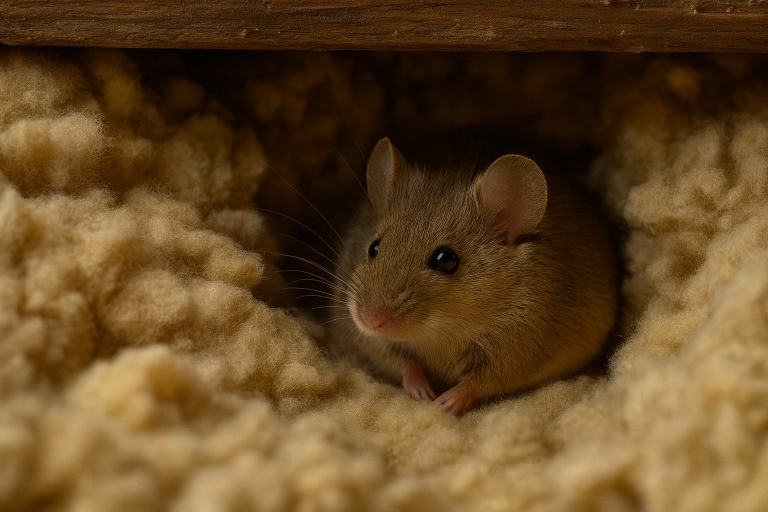
Rodents use insulation, cardboard, fabric, and debris to build nests. Attics and storage areas supply everything they need to raise offspring, even in the coldest months.
They Want Protection From Predators
Cats, owls, foxes, and larger wildlife remain active year-round. Rodents instinctively choose hidden areas inside walls or ceilings because predators cannot reach them once they settle inside.
How Rodents Enter the Home
Rodents squeeze, chew, and claw their way through surprisingly small openings. Understanding these access points is the foundation of proper winter rodent-proofing.
Gaps in the Foundation
Small cracks in foundation walls allow mice to enter at ground level. Even a gap the width of a pencil can serve as an entryway. These are among the most common points of intrusion.
Openings Around Utility Lines
Wiring, plumbing, gas lines, and air conditioning conduits create natural openings. If the surrounding sealant wears away, rodents use the space to slip inside.
Damaged Door and Window Frames
Worn weatherstripping, warped frames, or loose thresholds create gaps big enough for mice and sometimes even rats. Garages are especially vulnerable.
Roofline Weaknesses
Squirrels and rats often enter through damaged soffits, loose fascia boards, and unprotected roof intersections. Once in the attic, they can travel freely through the home.
Vents Without Protective Screening
Kitchen vents, attic vents, dryer vents, and gable vents can all become rodent pathways. Screens deteriorate with time or weather exposure, making them easy to chew through.
Holes Created by Other Wildlife
Raccoons, woodpeckers, and birds sometimes create openings that rodents later exploit. Once a hole exists, mice quickly spread through it and establish nests.
Signs Rodents Are Already Investigating Your Home
Rodents rarely enter without leaving clues. These early signs often appear before a full infestation develops:
- Droppings in kitchen drawers, cupboards, basements, or attics
- Scratching noises in walls or ceilings, especially at night
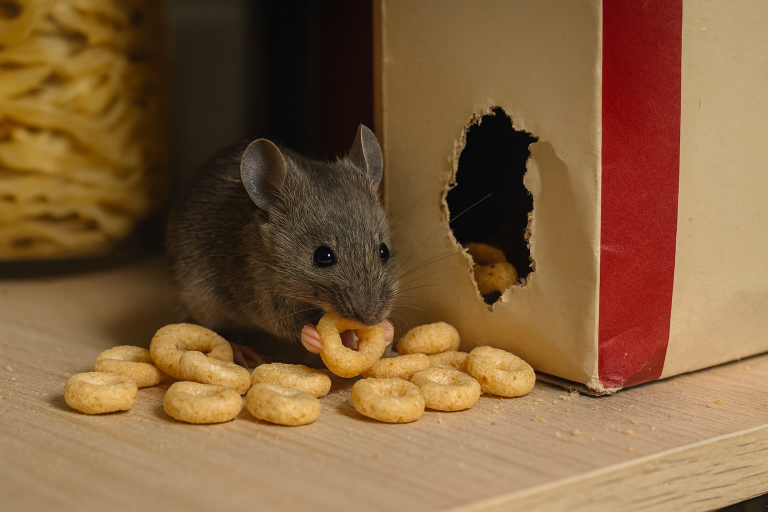
- Chewed cereal boxes, pet food bags, or stored items
- Shredded insulation or nesting material in corners
- Musty or ammonia-like odours in confined spaces
- Grease marks or rub lines along walls
- Holes in baseboards or gaps behind appliances
Identifying these signs early helps prevent a minor issue from becoming severe.
Steps to Rodent-Proof Your Home For Winter
Effective rodent-proofing requires a combination of sealing, cleaning, structural maintenance, and long-term prevention. Each step contributes to creating a home rodents cannot easily access or survive in.
Seal All Entry Points
Start by inspecting the home from top to bottom. Look for gaps, cracks, and openings that rodents can use. Pay close attention to:
- Foundation cracks
- Gaps under doors
- Openings around wiring and pipes
- Roof edges
- Areas where siding meets brick or wood
Use steel wool, metal flashing, heavy-duty mesh, or exterior-grade sealants to close these spaces. Avoid using foam alone; rodents chew through foam easily.
Strengthen the Roofline and Attic
Squirrels and rats often enter from above, so the roofline requires careful attention.
- Repair damaged soffits, fascia boards, and trim
- Replace loose roofing shingles
- Reinforce roof intersections
- Install metal screening over attic vents
- Add a chimney cap for extra protection
A professional inspection can identify vulnerabilities that may not be visible from ground level.
Protect Vents and Utility Openings
All exterior vents should have secure, chew-resistant covers. Dryer vents and bathroom exhaust vents often have flimsy plastic lids that rodents can push open.
Adding metal mesh or wildlife-proof vent covers keeps them out while maintaining airflow.
Reduce Outdoor Attractants
Many winter rodent issues originate outdoors. A yard that attracts rodents increases the chance they’ll attempt to enter the home.
To reduce attractants:
- Store garbage in sealed bins
- Remove fallen fruit or nuts from trees
- Keep compost covered
- Clean up spilled birdseed
- Avoid leaving pet food dishes on porches or decks
A cleaner exterior environment decreases rodent activity around the structure.
Maintain Landscaping Around the Home
Overgrown vegetation gives rodents the cover they need to explore the home safely.
Trim tree branches so they do not touch the roof. This prevents squirrels from leaping onto the house. Keep shrubs, vines, and bushes trimmed back several feet from walls. Removing dense ground cover also reduces hiding places for mice.
Improve Indoor Food Storage and Cleanliness
Rodents enter for warmth but stay for food. Preventing access to food sources is one of the most reliable long-term strategies.
- Store pantry goods in sealed plastic or glass containers
- Keep pet food in airtight bins
- Clean crumbs from counters and floors regularly
- Avoid leaving dishes out overnight
- Secure garbage under the sink or in bins with tight lids
A home without easy food access discourages rodents from remaining even if they manage to get inside.
Address Moisture Problems
Rodents need water just as much as food. Leaky pipes, damp basements, and moist crawl spaces attract them.
Repair leaks, use dehumidifiers, and maintain good ventilation to keep the interior dry. A dry environment is far less appealing to rodents during winter.
Use Preventive Trapping or Monitoring
In some homes, especially older ones, preventive trapping helps intercept rodents early in the season. Bait stations or monitoring devices can be placed discreetly by a professional to track activity.
Although prevention is effective, chemical-free monitoring is often safer indoors, especially in homes with pets or children.
What to Do if Rodents Have Already Entered
Even with strong prevention efforts, rodents can still find a way inside. If signs of activity appear, act quickly. Leaving the issue untreated allows rodents to multiply, contaminate surfaces, and damage wiring.
A professional inspection identifies:
- The species involved
- Possible entry points
- Any areas of damage
- Nesting sites
- The best removal method
For squirrels, exclusion with a one-way door is the most humane and effective method. For mice and rats, strategic baiting or trapping may be necessary. After removal, sealing and repair work prevents future intrusions.
Winter-Proof Like a Pro
Rodent-proofing your home before the cold sets in keeps your space warm, quiet, and protected all season long. Sealing entry points, securing vents, tightening up food storage, and maintaining your roofline all make it harder for mice, rats, and squirrels to move in. If you’ve heard noises in the attic, noticed chewing around the exterior, or simply want peace of mind before winter arrives, now is the perfect time to act.
Book a professional attic inspection with Elite Pest and Wildlife Removal and make sure your home is fully winter-ready and rodent-free.