
Hamilton is home to a wide range of wildlife, including raccoons, squirrels, skunks, bats, and birds. With so many species living close to suburban and urban neighbourhoods, human–wildlife interactions are common. Many homeowners will eventually deal with animals in attics, under decks, inside sheds, or even inside walls. While it may be tempting to handle the problem yourself, Ontario has clear rules about how wildlife can be removed, relocated, and protected. These laws exist to promote animal welfare, avoid unnecessary harm, and prevent repeat problems.
Understanding humane wildlife removal laws helps Hamilton residents protect their homes while respecting the animals that live around them. Whether you’re a homeowner, landlord, or tenant, knowing your responsibilities keeps you compliant, safe, and prepared.
This guide breaks down the essential rules, explains why humane removal matters, and outlines how to respond ethically and legally when wildlife makes its way into your property.
Why Humane Wildlife Removal Laws Exist in Ontario
Ontario’s Ministry of Natural Resources and Forestry (MNRF) is responsible for setting regulations related to wildlife protection. These laws ensure humane treatment of animals, reduce unnecessary suffering, and prevent environmental disruption. They also help prevent homeowners from unintentionally harming themselves or creating dangerous situations.
Humane laws protect both people and animals. Many wildlife species can become aggressive when threatened, carry diseases, or cause serious property damage if handled improperly. By following legal guidelines, homeowners avoid fines, health risks, and potential cruelty charges.
Key Laws Hamilton Residents Must Understand
Below are the most important rules that govern how homeowners and professionals must handle wildlife in Hamilton and throughout Ontario.
Wildlife Cannot Be Relocated More Than One Kilometre
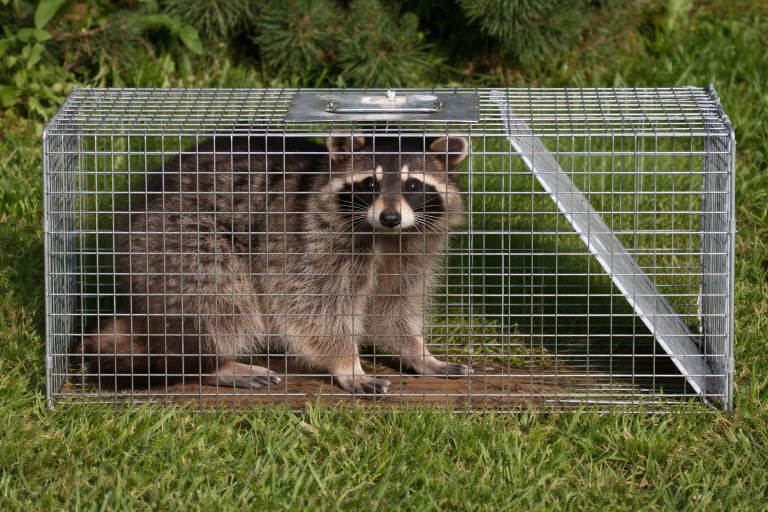
Ontario law states that nuisance wildlife can only be transported a maximum distance of one kilometre from the capture site. This applies to species such as raccoons, squirrels, skunks, chipmunks, and opossums.
This rule prevents animals from being relocated far from their natural territory, where they would struggle to find food or shelter. Wildlife removed beyond one kilometre often has low chances of survival, which is why the law emphasizes keeping them within their familiar range.
For homeowners, this means DIY relocation is not only risky, it is regulated. A licensed wildlife control company understands how to follow this rule while ensuring humane removal.
It Is Illegal to Harm, Injure, or Kill Most Wildlife Species
Ontario’s Fish and Wildlife Conservation Act protects most native species from intentional harm. Even nuisance animals must be handled without causing injury.
Homeowners may not:
- Harm or trap wildlife in a cruel manner
- Use poisons or chemicals on wildlife
- Destroy occupied nests unless permitted
- Use traps that cause unnecessary suffering
Even when animals cause damage to homes, humane methods must be used. Lethal actions are restricted and often illegal unless performed by licensed professionals under specific conditions.
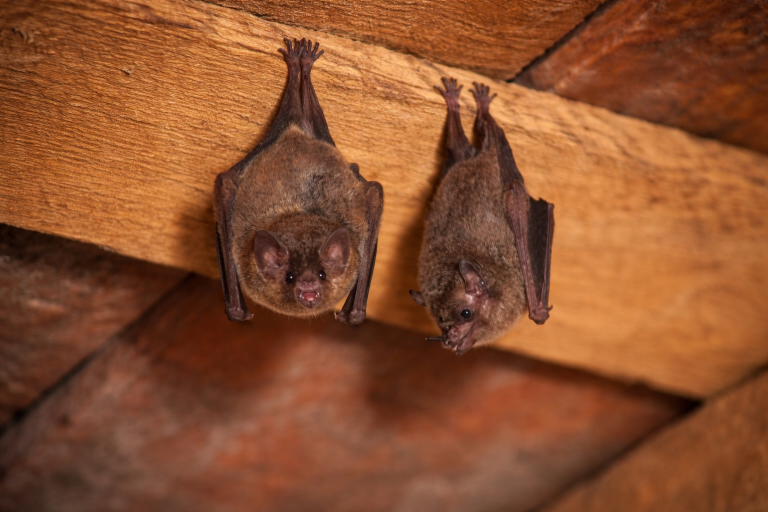
Bats Are Highly Protected
Bats play a vital role in controlling insect populations and are protected in Ontario. Removing bats requires special handling because:
- They cannot be killed
- Their roosts cannot be disturbed during maternity season
- Exclusion must be done at specific times of year
- They must be allowed to exit safely and prevented from re-entering
Hamilton residents dealing with bats must seek professional help, as improper exclusion can result in fines and unnecessary harm to protected species.
Removing Animals During Baby Season Is Restricted
Many wildlife species give birth in spring and early summer. During baby season, mothers build nests in attics, soffits, chimneys, and under decks. Removing wildlife at this time without checking for offspring is considered inhumane and often illegal.
Laws require that:
- Babies must not be orphaned
- Families must be reunited
- Removal must allow all animals to exit safely
- Wildlife must not be left without shelter
Licensed wildlife technicians are trained to locate babies, remove them safely, and reunite them with the mother outside the structure using ethical release methods.
Homeowners Must Use Humane Exclusion, Not Abandonment or Entrapment
Some homeowners mistakenly seal entry points while animals are still inside. This is illegal and dangerous.
Trapping wildlife inside walls or attics can lead to:
- Starvation
- Dehydration
- Property damage as animals try to escape
- Strong odours from decay
- Increased risk of disease for humans
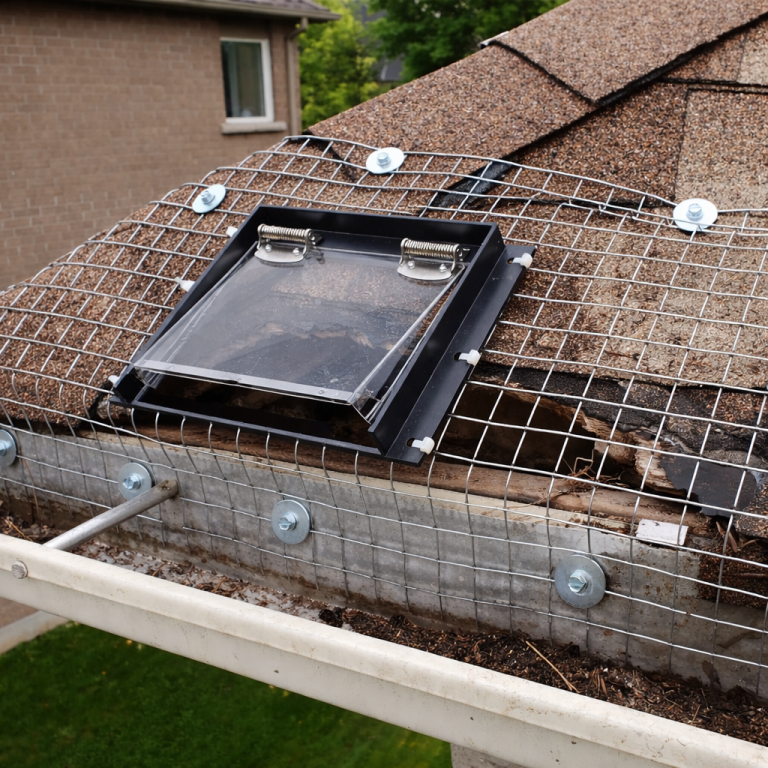
Humane laws require that wildlife be given a safe exit. One-way doors are a common legal method that allows animals to leave but prevents re-entry. These devices comply with humane standards and avoid cruelty charges.
Certain Species Require Special Handling or Licences
Some situations require extra certifications or permits:
- Removing bats
- Handling migratory birds
- Working with endangered species
- Removing animals in hazardous locations
Professionals understand when additional permits are required and how to comply with all regulations.
Wildlife Feeding Is Regulated in Many Areas
Feeding wildlife may seem harmless, but it encourages animals to depend on humans and increases property damage. Many municipalities and condo boards in Hamilton have bylaws restricting the intentional feeding of wildlife.
Feeding wildlife can:
- Attract large numbers of raccoons, skunks, or squirrels
- Cause animals to lose their natural fear of people
- Lead to aggressive behaviour
- Increase property damage and infestations
Keeping food sources secure is part of responsible wildlife management.
Why DIY Wildlife Removal Is Risky and Often Illegal
Many homeowners attempt DIY wildlife removal without realizing they may be breaking provincial laws. Even well-intentioned attempts can lead to serious problems.
Risks of DIY Removal Include:
- Separating mothers from their babies
- Transporting wildlife too far
- Using traps that cause harm
- Blocking entry points with animals still inside
- Handling species that require special permits
- Creating unsafe situations for family members
Professionals follow legal guidelines, carry proper insurance, and know how to handle situations safely and humanely.
How Humane Wildlife Removal Works
Professional wildlife removal focuses on safe, ethical, and permanent solutions.
Humane Removal Involves:
- Inspecting the property for entry points and damage
- Identifying species and checking for babies
- Using one-way doors that allow safe exit
- Removing and reuniting young wildlife
- Sealing all entry holes once animals exit
- Reinforcing vulnerable areas to prevent return
This approach respects wildlife, protects your home, and complies with Ontario law.
Why Hamilton Is Seeing More Wildlife Conflicts
Several factors contribute to the increase in wildlife issues across the city:
- Urban expansion into natural habitats
- Warmer winters allowing more animals to survive
- Abundant food sources from garbage and compost
- Aging housing stock with accessible entry points
- High squirrel and raccoon populations
Hamilton’s green spaces, waterfront, and mature neighbourhoods make it a hotspot for wildlife activity. As the city grows, conflicts between residents and wildlife are becoming more common.
What Homeowners Can Do to Stay Compliant and Protected
Residents can reduce wildlife problems and stay on the right side of the law by:
- Inspecting their homes for cracks or gaps
- Securing garbage and compost bins
- Keeping pet food indoors
- Cleaning up fallen fruit from trees
- Maintaining proper yard sanitation
- Booking regular inspections for attics and rooflines
- Acting quickly when wildlife activity is noticed
Staying proactive keeps both your home and local wildlife safe.
Keep Wildlife Out The Humane Way
When wildlife enters your home, the safest and most responsible option is humane removal performed by trained experts. Whether you’re hearing noises in the attic or noticing damage around your roofline, Elite Pest & Wildlife Removal is ready to help. Our team follows Ontario’s humane laws, protects your home, and ensures every animal is removed safely.
If you suspect you have a wild intruder and aren’t sure how to safely get rid of them, call 226-208-7793 or visit www.elitepestandwildlife.ca for professional and humane help.