Skip to content
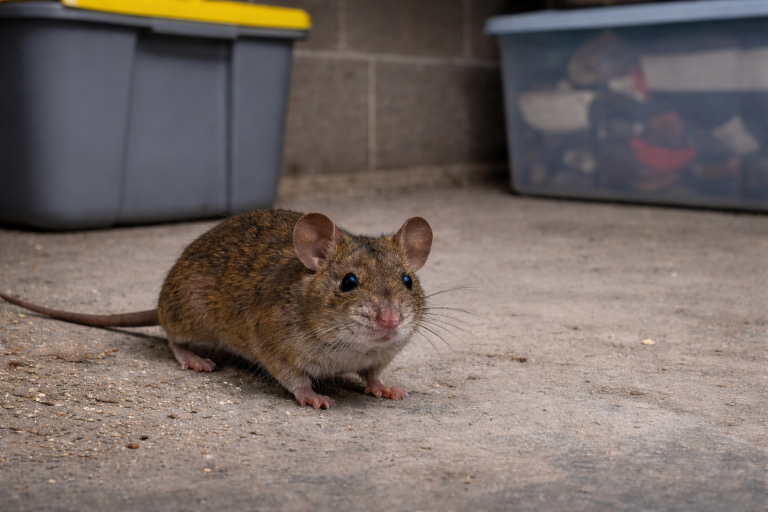
Every year Hamilton homeowners start seeing the same signs as it gets colder. Scratching noises in the walls, tiny droppings inside kitchen cabinets, or a mouse darting across the floor late at night are signs you’re not alone in your home. Mice are one of the most common cold-season pests in Southern Ontario, and Hamilton’s geography, climate, and housing conditions make the city a perfect hotspot for rodent activity.
If you’re noticing more mouse activity in the fall and winter, it isn’t your imagination. These months bring the highest surge in infestations, and understanding why can help you better protect your home.
This guide explains why mice become so active in Hamilton during colder weather, where they’re coming from, and what you can do to keep them out.
Why Fall and Winter Trigger Mouse Infestations
As outdoor temperatures drop, mice must find dependable sources of warmth, shelter, and food. Your home provides all of those things, and during Hamilton’s cold season those comforts become essential for survival.
Cold Weather Drives Mice Indoors
Mice cannot survive long in freezing temperatures. Once fall arrives and night temperatures dip, they begin seeking insulated indoor spaces. Homes offer warmth, especially:
- Basements
- Attics
- Furnace rooms
- Wall voids
- Attached garages
Hamilton’s long winters and unpredictable fall weather create ideal conditions for mice to start looking for shelter early.
Decreasing Food Sources Outdoors
In spring and summer, mice rely on seeds, plants, insects, and natural food sources. As fall begins, vegetation dies off, insect populations drop, and gardens stop producing. Food scarcity pushes mice toward homes, where pantries, garbage bins, pet food, and crumbs provide easy meals.
Rapid Population Growth in Summer
By the time fall arrives, mouse populations are already high. Mice reproduce aggressively. A female can have a new litter every 30–40 days, and each litter averages 5–6 babies. Babies mature in just a few weeks, which means summer breeding leads to a huge number of young mice looking for shelter just as fall begins.

Why Hamilton Is a Mouse Hotspot
Mouse problems are especially common in Hamilton due to the city’s unique mix of:
- Older neighbourhoods
- Dense housing
- Proximity to the Escarpment
- Abundant green spaces
- Aging infrastructure
- Seasonal temperature extremes
Older Housing in Hamilton Neighbourhoods
Areas such as Crown Point, Kirkendall, East Hamilton, Westdale, Durand, and Strathcona feature older homes. These structures develop small gaps over time, and mice only need a dime-sized opening to enter. Aging foundations, shifting brickwork, and deteriorating framing provide plenty of opportunities for pests to enter.
The Niagara Escarpment
Hamilton’s landscape includes forested cliffs, ravines, and natural wildlife corridors. The Escarpment is home to huge mouse populations that move toward residential areas when temperatures cool.
The Greenbelt and Hamilton’s Rural Edges
Neighbourhoods near Ancaster, Stoney Creek Mountain, Glanbrook, and Dundas border fields and farmland. These areas have high rodent activity throughout the year and see major spikes when fields are harvested in fall.
Abundance of Food Sources
Bird feeders, backyard gardens, compost bins, and local restaurant dumpsters offer plenty of places for rodents to scavenge. These attract rodents and allow populations to grow quickly, increasing the chance of nearby homes experiencing activity.
How Mice Get Into Hamilton Homes
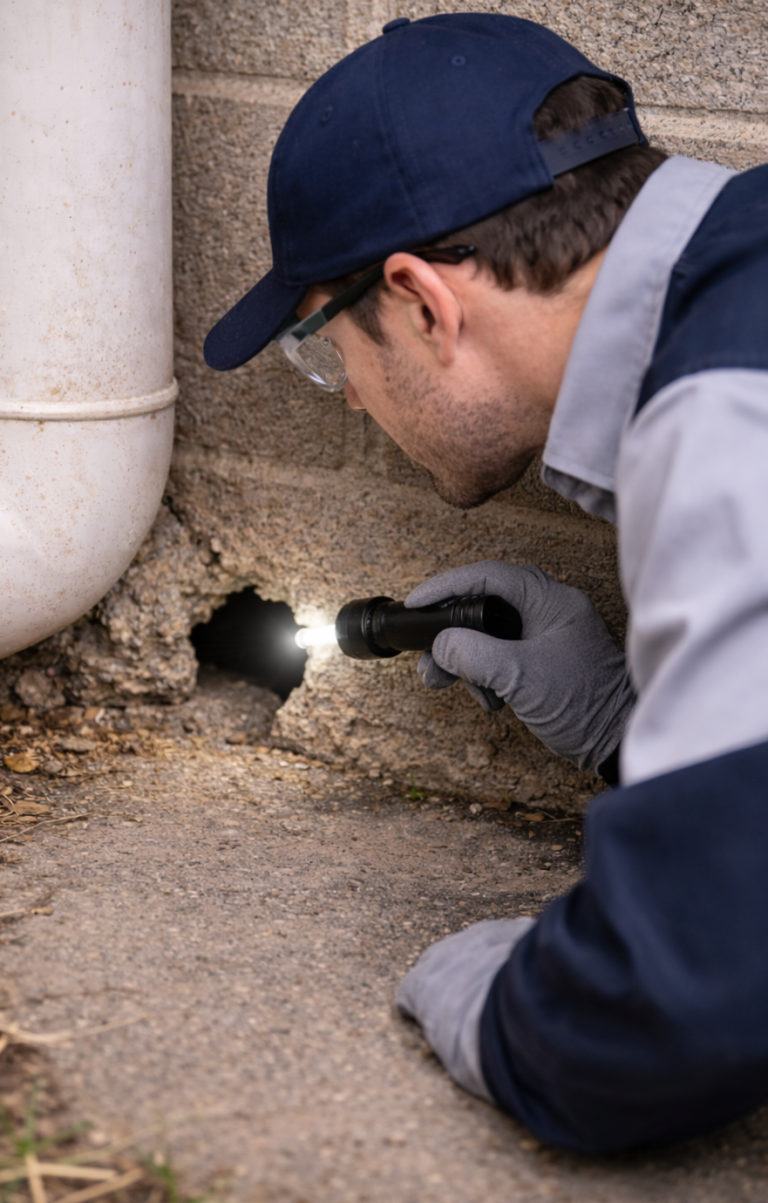
Mice are agile, intelligent, and persistent. They can climb brick, run along wires, and squeeze through openings as small as 6 millimeters.
Common entry points include:
- Gaps in foundation cracks
- Openings around gas lines or utilities
- Breaks in siding
- Damaged vents
- Weakened soffits near the roofline
- Gaps under doors or attached garage doors
- Crawl space vents
- Dryer vents without proper screening
Once inside, they quickly establish nesting sites in areas you rarely check.
Where Mice Nest During Fall and Winter
Mice choose warm, hidden areas with insulation and easy access to food. The most common nesting spots in Hamilton homes include:
Inside Wall Voids
You may hear scratching, quiet tapping, or movement at night when the house is quiet.
Attics
Attics provide warmth, insulation, and safe nesting spaces away from human activity.
Basements and Furnace Rooms
These areas are warm and often have accessible food sources like stored bird seed or pet food.
Behind Appliances
Stoves, fridges, dishwashers, and laundry machines offer warmth and protection.
Kitchen Cabinets and Pantries
If food is accessible, mice will nest very close to their source.
One nesting female can produce dozens of offspring over the winter, which is why early detection is important.
Signs You Have Mice in Fall or Winter
Many homeowners miss early signs of activity because mice are quiet and mostly nocturnal. Key indicators include:
- Droppings near baseboards, under sinks, or inside cabinets
- Scratching or squeaking sounds in walls or ceilings
- Chewed food packaging
- Shredded paper, insulation, or fabric (nesting material)
- Grease marks along walls or baseboards
- Urine odor, especially in enclosed areas
- Activity in the attic
- Pets suddenly watching or sniffing the same area
If you’re seeing any of these signs in fall or winter, the infestation is likely larger than it appears.
Why DIY Mouse Control Often Fails in Winter
Many people turn to traps or hardware-store bait, only to find that mice continue to appear. There are several reasons for this:
You may be facing multiple entry points
Mice can enter through more than one opening, especially in older homes.
You may have several nesting sites
Catching a few mice won’t remove a breeding colony.
Traps are not enough during peak season
Winter infestations often require:
- Interior traps
- Exterior bait stations
- Entry point sealing
- Sanitation improvements
Store-bought bait is not strong enough
Professional bait formulas work faster and more effectively than retail products.
Traps may be placed incorrectly
Professionals understand rodent travel patterns and hiding areas far better than homeowners.
If you’re seeing ongoing signs of activity despite trapping, the infestation is usually widespread.
How to Prevent Mice in Fall and Winter
Here are the most effective ways to keep mice out of your home during Hamilton’s cold season:
Seal Entry Points
Use steel wool, caulking, and proper exclusion materials to close gaps around:
- Doors
- Windows
- Foundation cracks
- Utility openings
- Vents
- Garage doors
Store Food Securely
Keep all pantry food in sealed containers. Don’t leave pet food or bird seed accessible.
Reduce Clutter
Mice thrive in cluttered storage areas, especially basements and garages.
Clean Under Appliances
Crumbs under the stove or fridge can feed a mouse for days.
Maintain Exterior Bait Stations
Preventive baiting around the home reduces populations before they enter.
Inspect Attics and Basements Regularly
Look for new openings, droppings, or signs of nesting each fall.
Schedule Regular Professional Inspections
A trained technician knows how mice enter, where they nest, and how to eliminate them long-term.
Why Professional Help Is Often Necessary in Hamilton
Hamilton’s climate, landscape, and older housing stock make DIY mouse control difficult. A professional rodent program includes:
- Thorough interior and exterior inspection
- Identification of entry points
- Professional-grade bait stations
- Strategic trap placement
- Exclusion and sealing work
- Follow-up visits
- Long-term prevention strategies
This comprehensive approach removes existing mice and prevents new ones from entering.
Protect Your Home This Fall and Winter
If you’re seeing mice in your home, you’re not alone and you’re not doing anything wrong. Hamilton’s environment makes rodent activity extremely common each fall and winter. With proper prevention and professional support, your home can stay protected all season long.
Elite Pest and Wildlife Removal provides trusted rodent control for homes across Hamilton, Ancaster, Stoney Creek, Dundas, Burlington, Oakville, and surrounding areas.
Call 226-208-7793 or visit elitepestandwildlife.ca to book your rodent inspection.