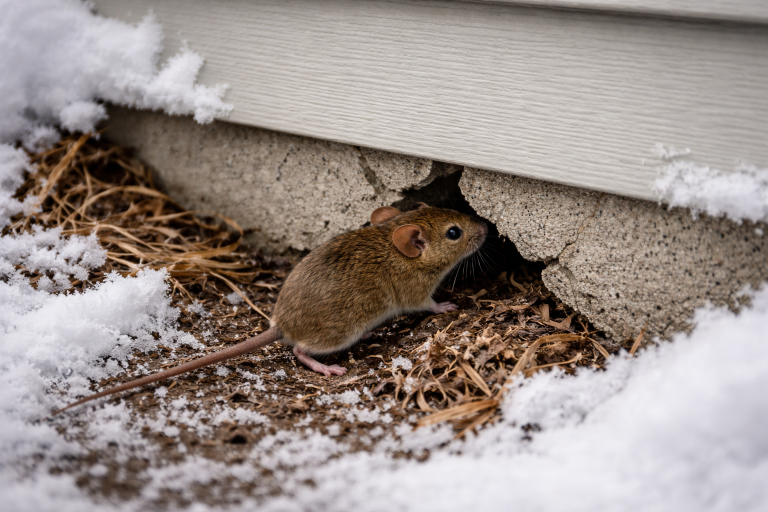
Wildlife activity around homes changes dramatically with the seasons. Animals follow natural cycles tied to weather, food availability, and breeding patterns. What homeowners experience in spring is very different from the problems that show up in fall or winter. Understanding these seasonal shifts helps prevent damage, avoid surprise infestations, and protect your home year-round.
Many wildlife issues begin quietly. A few scratching sounds, a small hole near the roofline, or digging in the yard can quickly escalate if the seasonal behaviour behind it goes unnoticed. This guide breaks down what wildlife activity looks like throughout the year and what homeowners should watch for in each season.
Spring Wildlife Activity: Nesting, Babies, and New Damage
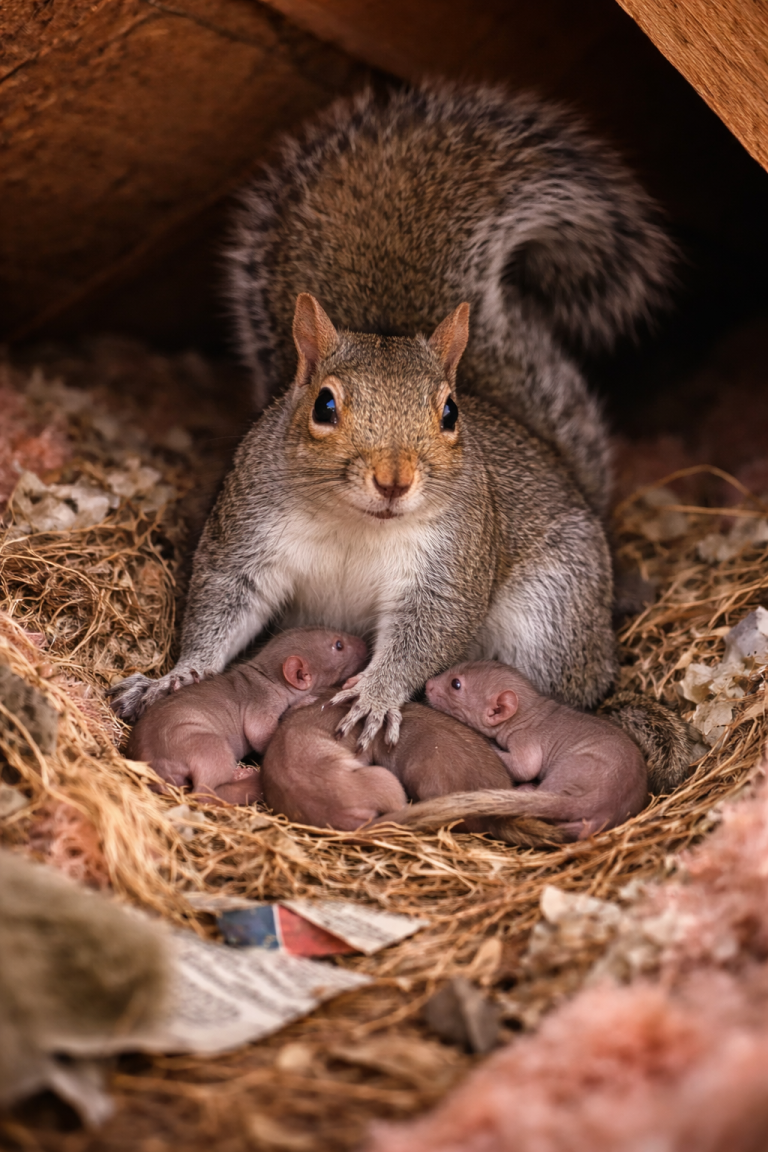
Spring marks the busiest time of year for wildlife activity around homes. As temperatures rise, animals become active again after winter and focus on nesting and raising young.
Common Spring Wildlife Issues
Spring is prime breeding season for many species, including:
- Raccoons
- Squirrels
- Skunks
- Birds
- Bats
Female animals actively search for safe, sheltered spaces to give birth. Unfortunately, attics, soffits, chimneys, sheds, and crawl spaces provide ideal conditions.
What Homeowners Should Watch For
- Scratching or movement in attics or walls
- Animals entering rooflines repeatedly
- Visible damage to soffits, vents, or fascia
- Nesting material appearing around the property
- Strong animal odours indoors
Spring wildlife problems often involve babies, which makes removal more complex. Disturbing nests without proper handling can lead to animals causing more damage trying to protect or relocate their young.
Why Early Action Matters in Spring
If wildlife is allowed to nest undisturbed, damage continues to grow. Insulation gets compressed or contaminated, vents get torn open, and entry points widen. Addressing issues early prevents long-term repairs and repeated infestations.
Summer Wildlife Activity: Increased Movement and Food Searching
Summer brings increased wildlife movement. Young animals are mobile, food sources are plentiful, and wildlife spends more time foraging.
Common Summer Wildlife Issues
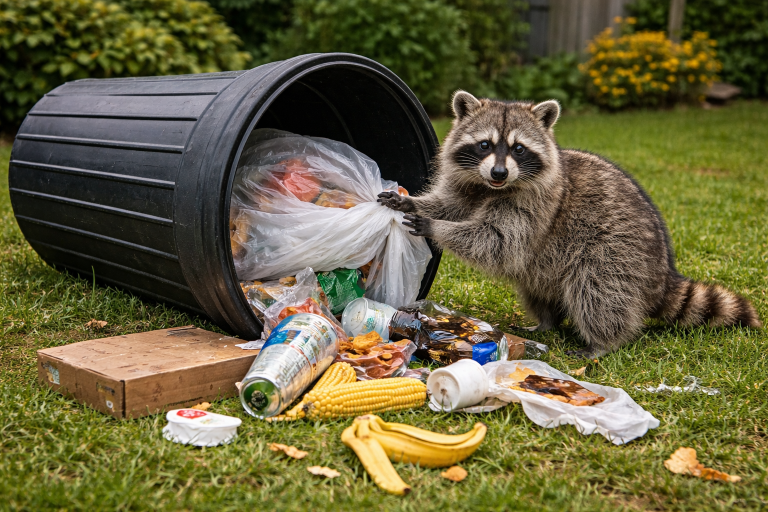
- Raccoons tipping garbage bins
- Skunks digging lawns for grubs
- Squirrels accessing decks and sheds
- Birds nesting in vents and exhaust openings
- Wildlife activity around patios and gardens
Animals are more visible in summer because they are active both day and night.
Signs of Summer Wildlife Problems
- Lawn damage from digging
- Garbage being scattered overnight
- Noises around decks or sheds
- Birds entering vents or roof openings
- Animal sightings during daylight hours
Summer wildlife issues often start outdoors but can quickly move inside if entry points exist.
Why Summer Is a Key Prevention Window
Summer is one of the best times to inspect and reinforce your home. Entry points are easier to see, weather conditions allow for repairs, and proactive exclusion prevents fall and winter intrusions.
Fall Wildlife Activity: The Rush to Find Shelter
Fall is one of the most critical seasons for wildlife control. As temperatures drop, animals prepare for winter by finding warm, secure shelter.
Common Fall Wildlife Issues
- Mice entering homes through small gaps
- Squirrels chewing into attics
- Raccoons forcing entry into roofs
- Skunks digging under sheds and decks
- Increased rodent sightings indoors
This is the season when many homeowners first notice serious wildlife problems.
Why Wildlife Targets Homes in Fall
Homes offer:
- Warmth
- Protection from predators
- Stable shelter
- Easy access to food
Animals become more persistent in fall and will exploit even small weaknesses in the structure.
Warning Signs in Fall
- Scratching noises at night
- Droppings in garages or basements
- Strong odours near foundations
- Chewed entry points around rooflines
- Insulation debris around vents
Fall infestations often become winter-long problems if not addressed quickly.
Winter Wildlife Activity: Quiet but Costly
Winter wildlife activity is less visible but often more damaging. Once animals settle inside, they stay put.
Common Winter Wildlife Issues
- Rodents nesting inside walls and attics
- Squirrels remaining in attic spaces
- Persistent odours from wildlife dens
- Chewed wiring and insulation damage
- Increased fire risk from exposed wires
Because animals are conserving energy, homeowners may hear fewer noises but experience greater hidden damage.
Why Winter Problems Go Unnoticed
Snow and cold limit exterior inspections. Animals remain hidden, and homeowners may assume the problem has been resolved when noise decreases. In reality, wildlife is often actively nesting and contaminating insulation.
Risks of Ignoring Winter Activity
- Long-term contamination from droppings and urine
- Electrical hazards from chewed wires
- Structural damage that worsens over time
- Strong odours that persist into spring
Winter is when small entry problems become expensive repairs.

How Seasonal Wildlife Activity Impacts Homes
Each season presents unique risks, but all wildlife activity shares common consequences.
Structural Damage
Chewed wood, torn vents, damaged shingles, and compromised insulation weaken the home’s envelope.
Health Concerns
Droppings, urine, parasites, and airborne contaminants pose health risks to occupants and pets.
Recurring Infestations
Without proper exclusion, wildlife returns year after year, often in the same season.
Why Year-Round Prevention Is Important
Many homeowners wait until wildlife becomes obvious before acting. Unfortunately, by that point, damage is already done.
Seasonal prevention includes:
- Regular exterior inspections
- Sealing entry points
- Installing wildlife-proof vent covers
- Chimney caps
- Deck and shed barriers
- Monitoring attic and crawl spaces
A year-round approach prevents emergencies and reduces repair costs.
When to Call a Professional
Professional wildlife control is especially important when:
- Animals are inside walls or attics
- Babies may be present
- Entry points are high or hard to access
- Damage is already visible
- Odours persist indoors
Licensed wildlife professionals understand seasonal behaviour patterns and use humane, effective methods to remove animals and prevent their return.
Stay One Step Ahead of Wildlife All Year Long
Wildlife follows predictable seasonal patterns, but the damage they cause does not have to be inevitable. Recognizing what to watch for in each season allows homeowners to act early, prevent infestations, and protect their property before problems escalate.
From spring nesting to fall invasions and winter hiding, every season brings different challenges. Addressing them proactively saves time, money, and stress.
Wildlife Never Takes a Season Off But You Can Stay Protected
Wildlife activity doesn’t stop when the weather changes, and neither should your home protection. Whether you’re hearing noises in the attic, noticing damage around the roofline, or want to prevent seasonal intrusions before they start, now is the time to act.
Book an inspection with Elite Pest and Wildlife Removal to identify seasonal wildlife risks, remove animals humanely, and keep your home protected year-round.