
Rodents may look small, but the damage they cause inside homes and buildings can be extensive. Mice and rats are constantly chewing because their teeth never stop growing. This need to gnaw drives them to target wires, insulation, structural materials, stored belongings, and anything else accessible within walls, attics, and crawlspaces. When left unchecked, their activities become more than a nuisance. They create serious fire hazards, health risks, and costly structural repairs that homeowners often don’t see until the damage is advanced.
Understanding why rodents chew, what areas they target, and how their activity affects your home is an important part of protecting your property. This guide breaks down the dangers associated with rodents chewing wires and insulation and explains why fast, professional intervention is essential.
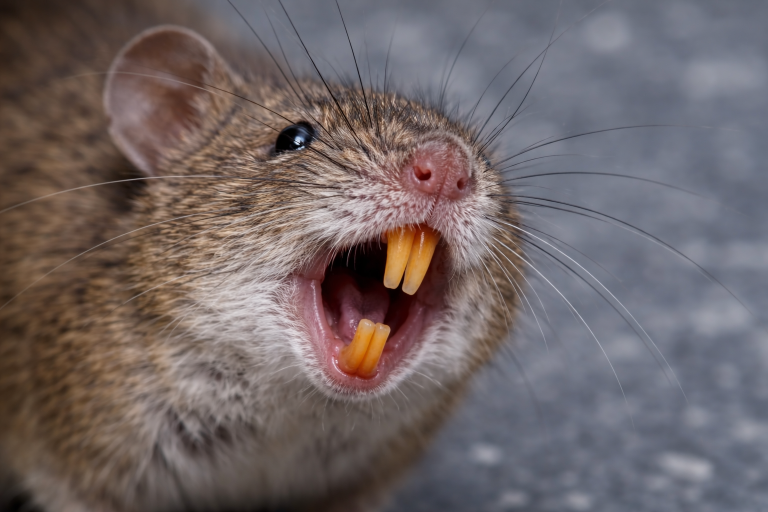
Why Rodents Chew Constantly
Mice and rats gnaw to maintain their teeth. Their incisors grow continuously, so they must file them down every day. This instinctive behaviour drives them to chew on nearly anything available, whether it is wood, plastic, drywall, cardboard, electrical wiring, or insulation. They are also natural explorers. To move through tight spaces, they create pathways by chewing through materials that block their route.
This chewing habit becomes especially dangerous when rodents access hidden areas of a home. Since they prefer dark, quiet spaces, most of their destruction happens out of sight. By the time homeowners notice scratching noises or droppings, much of the damage has already been done.
How Rodents Access Wires and Insulation
Wiring and insulation are usually hidden, but rodents are skilled at getting into places that people cannot easily reach. They squeeze through gaps the width of a pencil, climb exterior walls, follow utility lines, and enter through cracks around vents or foundations. Once inside, they use wall voids, attic spaces, ductwork, and drop ceilings as highways to move around undetected.
These areas contain electrical wiring, foam insulation, fibreglass insulation, vapor barriers, and HVAC components. For rodents, the environment is ideal: warm, quiet, and sheltered from predators. It only takes a small opening for a mouse to enter, and once inside, they often begin nesting and breeding, which multiplies the amount of damage.
The Fire Hazards Caused by Rodents Chewing Wires
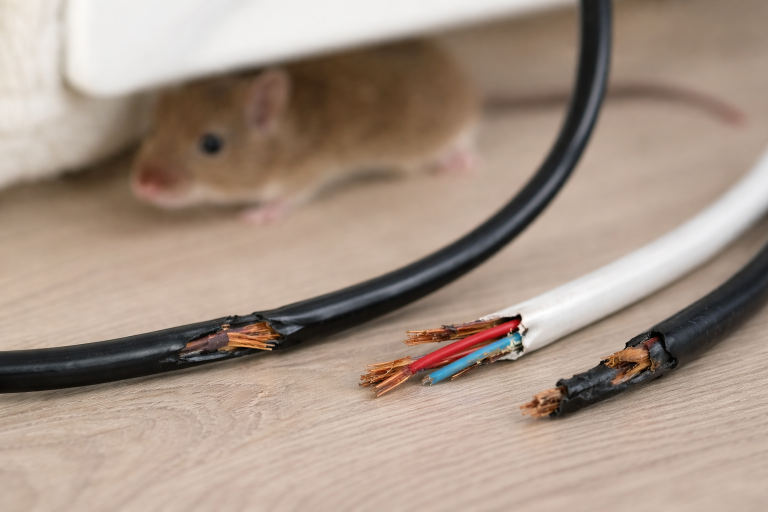
One of the most serious dangers associated with rodent infestations is the risk of electrical fires. When mice or rats chew through wiring, they expose or sever the protective coating around electrical conductors. This can lead to:
Electrical Short Circuits
Exposed wires can spark when they come into contact with conductive materials such as metal framing, foil insulation, or other exposed wires. These sparks may not be immediately visible but can ignite dust or insulation materials nearby.
Overheating of Electrical Systems
Damaged wires often force circuits to work harder. This may create heat buildup within walls or attic spaces. Since these areas rarely have airflow, temperatures can rise until surrounding materials ignite.
Increased Load on Electrical Panels
If circuits become unstable due to wire damage, electrical panels may experience surges. Over time, this can shorten the life of breakers or create hazardous failure points.
Silent, Hidden Ignition Sources
Rodent-related electrical fires often start in areas that homeowners rarely inspect, such as behind appliances, inside walls, or in attic spaces. By the time smoke becomes visible, flames may already be spreading.
Fire investigators frequently find evidence of rodent chewing in cases where wiring damage is linked to ignition. Because the damage occurs slowly and quietly, it often goes unnoticed until it becomes an emergency.
How Rodents Damage Insulation
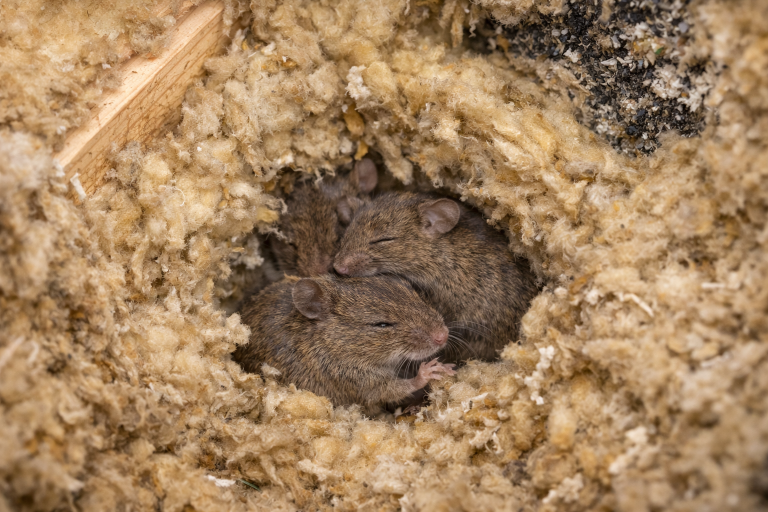
Rodents do more than chew insulation, they also nest inside it. This creates several issues that affect both your home and your health.
Loss of Energy Efficiency
Insulation works by trapping air to regulate indoor temperature. When rodents dig, chew, or tunnel through insulation, they break down its structure. Over time, damaged insulation can no longer retain heat properly. This forces heating and cooling systems to work harder, increasing energy bills.
Contaminated Insulation
Rodent urine, feces, and nesting materials contaminate insulation quickly. These contaminants introduce bacteria, viruses, and allergens into air circulation, especially in attics or walls connected to ventilation.
Moisture Problems
Damaged insulation may lose its ability to prevent condensation. Moisture buildup encourages mould and mildew growth, which spreads easily throughout wall cavities and attic spaces.
Structural Damage
Rodents often chew through wooden beams or vapor barriers while nesting. Over time, this weakens structural components and requires repairs that can be costly and invasive.
Health Risks Associated With Rodent Damage
Rodents carry pathogens that can spread throughout a home. When they chew insulation or wiring, they leave behind droppings, urine, fur, and nesting debris. These contaminants can circulate through the ventilation system or remain inside wall cavities.
Common Health Risks Include:
- Hantavirus from rodent droppings
- Leptospirosis from contaminated moisture
- Salmonella from food contamination
- Allergic reactions to dander and nesting debris
- Respiratory irritation from airborne particles in damaged insulation
Even after rodents are removed, contaminated insulation and hidden droppings need to be cleaned and replaced to restore safe indoor air quality.
How Electrical and Insulation Damage Impacts the Entire Home
Rodent chewing affects far more than just wires and insulation. The consequences often ripple throughout the home.
Higher Utility Bills
Damaged insulation forces heating and cooling systems to run constantly, increasing monthly costs.
Appliance Failure
Wires connected to appliances become unstable when chewed, causing appliances to malfunction or stop working.
Structural Weakness
Rodents may chew through wood, drywall, and plastic while accessing wires and insulation. This weakens building components over time.
Reduced Property Value
Home inspectors quickly notice signs of rodent damage. Wiring and insulation repairs often become required before selling a home.
Recurring Infestations
Chewed insulation and damaged wall voids create ideal nesting conditions for future rodents or other pests, such as insects seeking warmth in soft material.
Signs That Rodents Have Chewed Wires or Insulation
Because rodents often work out of sight, many homeowners don’t realize there is a problem until major damage occurs. Early detection prevents costly repairs.
Look for signs such as:
- Flickering lights
- Burnt smells near outlets
- Warm or discoloured wall plates
- Sudden appliance failures
- Scratching or chewing noises inside walls
- Droppings in attics or basements
- Torn pieces of insulation around vents or attic openings
- Chewed wiring behind appliances
If you notice any of these signs, the problem may already be advanced.
Why Professional Pest Control Is Essential
Removing rodents temporarily does not address the damage they’ve caused. Professional pest control is necessary because it:
Identifies Entry Points
Experts locate gaps, cracks, and structural weaknesses that homeowners often overlook.
Stops Active Infestations
Professionals use strategic baiting, trapping, and removal methods to eliminate rodents quickly and safely.
Prevents Future Damage
Exclusion work seals vulnerable areas, ensuring rodents cannot return and cause further destruction.
Assesses Hidden Damage
Technicians can inspect wiring, insulation, and wall voids for signs of gnawing or contamination.
Protects Your Home’s Safety
Eliminating rodents reduces fire hazards, restores insulation efficiency, and improves air quality.
Why Homeowners Should Address the Problem Quickly
Rodent chewing does not slow down on its own. As long as rodents remain inside walls or attics, they will continue to gnaw daily. Each day increases the risk of:
- Electrical fire
- Appliance failure
- Structural deterioration
- Widespread contamination
- More rodents entering the home
Timely action protects your home and prevents small issues from becoming expensive emergencies.
Protect Your Home From Rodent Damage With Elite Pest & Wildlife Removal
Rodents chewing wires and insulation is more than a minor annoyance. It’s a serious safety risk that can lead to fires, costly damage, and health concerns. If you’ve noticed scratching sounds, droppings, or electrical issues, now is the time to act. Elite Pest & Wildlife Removal provides fast, reliable rodent control and professional exclusion to keep your home safe.
Call 226-208-7793 or visit www.elitepestandwildlife.ca to book your rodent treatment.