
Few things are more unsettling than lying in bed and hearing scratching, thumping, or scurrying above your ceiling. Noises in the attic at night often signal unwanted wildlife or rodents, and ignoring them rarely makes the problem go away. In fact, attic activity almost always gets worse with time.
In Hamilton and surrounding areas, attic noise complaints increase during fall, winter, and spring, when animals seek warmth, shelter, or safe nesting spaces. Older homes, mature trees, and closely spaced neighbourhoods make many properties easy targets for wildlife.
Understanding what those noises mean, what animals are likely responsible, and what steps to take can help you protect your home before serious damage occurs.
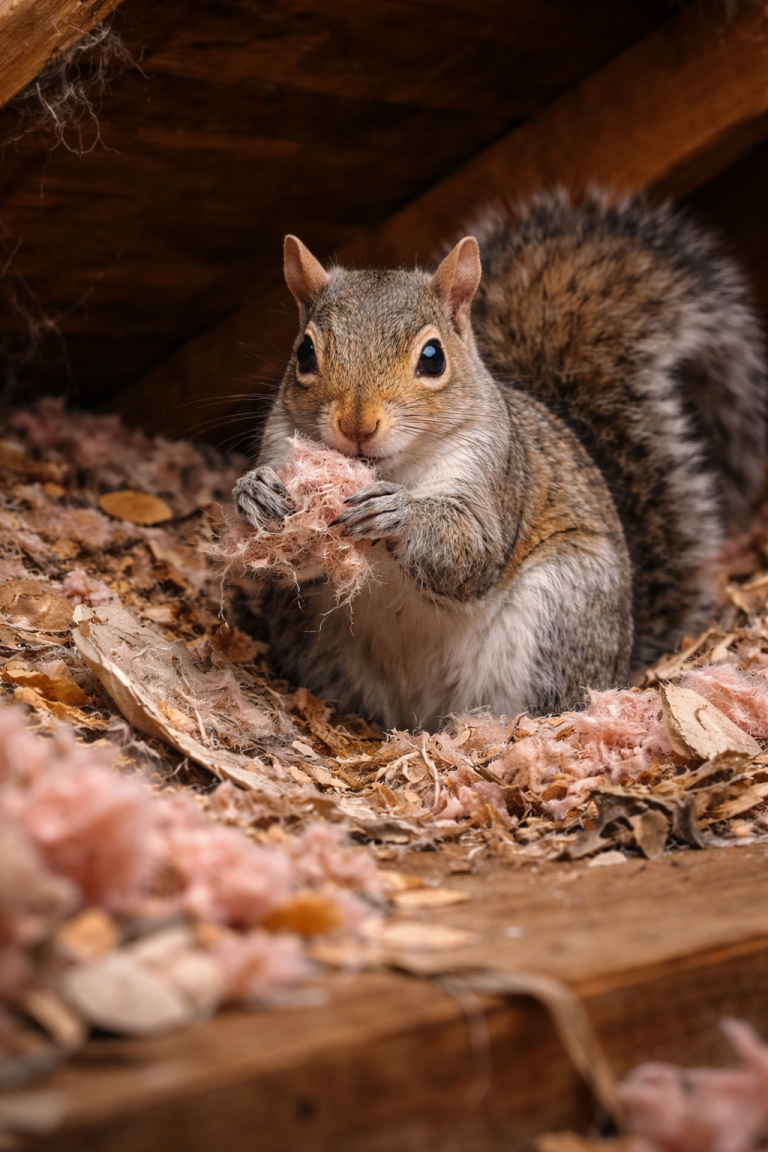
Why Attic Noises Usually Happen at Night
Most attic intruders are nocturnal or become more active after dark. When your house quiets down, you are more likely to hear movement above you.
Less Human Activity
At night, televisions, appliances, and foot traffic stop, making attic noises easier to notice.
Natural Animal Behavior
Many animals forage, explore, and move their young at night, especially raccoons, mice, rats, and bats.
Temperature Changes
As temperatures drop in the evening, animals become more active. In colder months, attics provide warmth that attracts wildlife after sunset.
Common Noises and What They Mean
Different animals create different sounds. Recognizing patterns can give clues about what is in your attic.
Scratching and Scurrying
Often caused by mice, rats, or squirrels moving through insulation, walls, and joists.
Heavy Thumping or Walking
Usually raccoons, skunks, or opossums. These animals are heavier and create noticeable footsteps.
High-Pitched Squeaking or Chirping
Common with baby animals. This often means a nest is present.
Fluttering or Light Scraping
May indicate bats moving or adjusting their roost.
Gnawing or Chewing Sounds
Rodents constantly chew to wear down their teeth. This is a warning sign of potential wiring or structural damage.
Animals Most Likely to Be in Your Attic
Several species commonly enter attics in Hamilton homes.
Raccoons
Raccoons are strong and intelligent. They tear open soffits, roof vents, and shingles to access attics. Once inside, they often create large nesting areas and can cause significant damage.
Squirrels
Squirrels chew through wood, shingles, and fascia to enter attics. They are active during the day and early morning but can also be heard at night.
Mice
Mice squeeze through openings as small as a dime. They nest in insulation and wall cavities and are usually heard late at night.
Rats
Rats are larger than mice and cause more noise. They often travel along rafters and beams.
Bats
Bats typically roost in attics and wall voids. They may be heard fluttering, squeaking, or scratching.
Skunks and Opossums
Less common in attics but possible if access is easy. These animals are heavy and noisy.
Why Animals Choose Attics
Attics provide everything animals need to survive.
Warmth
Heat from the home rises into the attic, making it one of the warmest areas in the house.
Safety
Attics are quiet, dark, and rarely disturbed, making them ideal nesting spaces.
Protection from Weather
Rain, snow, wind, and predators are blocked by the structure of the home.
Easy Access to the Outdoors
Rooflines, trees, and fences often provide easy access points.
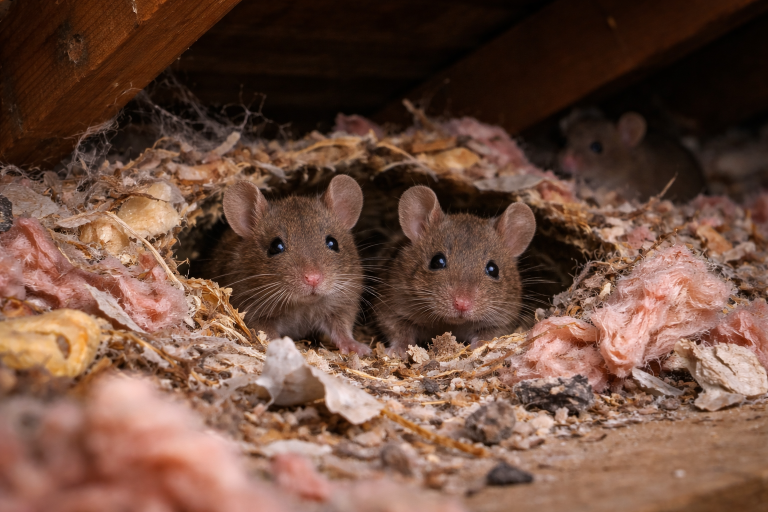
Why Ignoring Attic Noises Is Risky
Many homeowners hope the noise will stop on its own. In reality, it usually means the problem is growing.
Nesting and Babies
If animals are in the attic, there is a strong chance they are nesting. Babies increase noise and activity.
Structural Damage
Animals chew wood, tear insulation, and damage vents and rooflines.
Fire Hazards
Rodents chew electrical wiring, increasing fire risk.
Contamination
Droppings, urine, and nesting materials contaminate insulation and air quality.
Odour Issues
Waste and decomposing material create strong smells.
Health Risks Associated With Attic Pests
Attic animals bring more than noise.
Parasites
Fleas, mites, ticks, and lice often accompany rodents and wildlife.
Bacteria
Droppings and urine can carry bacteria that become airborne.
Allergens
Animal dander and waste contribute to allergies and respiratory issues.
Disease
Certain animals can carry diseases that pose risks to humans and pets.
Why DIY Solutions Rarely Work
Many homeowners attempt to scare animals out, seal holes, or use repellents.
Noise and Light
Animals quickly adapt and often return.
Repellents
Most repellents have limited effect and wear off quickly.
Sealing Holes Without Removal
Blocking entry points while animals are inside traps them, leading to damage, odours, and even dead animals in walls.
Traps
Improper trapping can be unsafe and illegal for certain species. Wildlife removal requires experience, proper timing, and humane methods.
The Importance of Proper Identification
Different animals require different approaches.
Legal Considerations
Some species, like bats, are protected and have specific removal regulations.
Breeding Seasons
Removing animals during nesting season without proper planning can leave babies behind.
Behaviour Differences
Squirrels, raccoons, mice, and bats each behave differently and require tailored strategies. This is why professional inspection is critical.
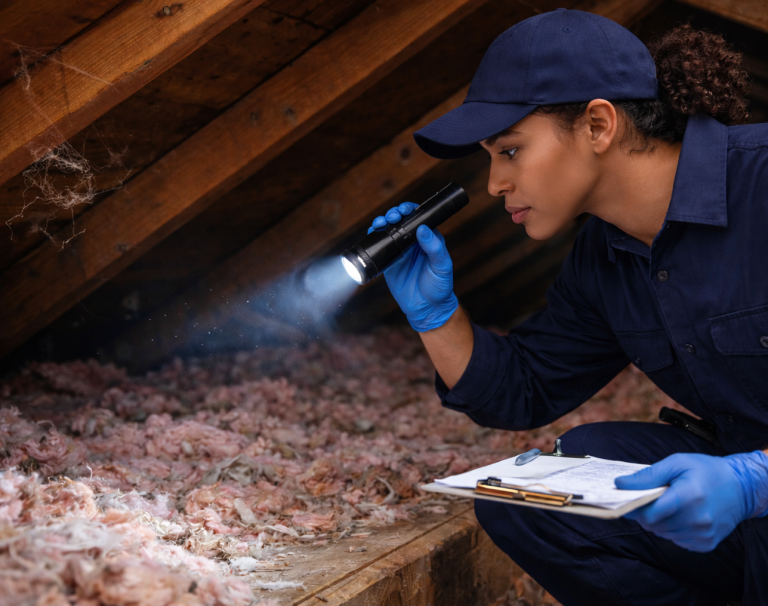
What a Professional Attic Inspection Involves
A proper inspection looks beyond just the noise.
Exterior Inspection
Technicians check:
- Rooflines and shingles
- Soffits and fascia
- Vents and chimney areas
- Gaps and holes
- Tree branches touching the home
Interior Inspection
This determines the species, extent of activity, and best removal method. Inside the attic, they look for:
- Droppings
- Nesting material
- Trails in insulation
- Damage to wood or wiring
- Entry points from inside
How Professional Wildlife Removal Works
Professional wildlife control focuses on safe, humane removal and long-term prevention.
One-Way Doors and Exclusion Devices
Animals are allowed to leave but not re-enter.
Sealing Entry Points
Once animals are out, all access points are sealed with durable materials.
Nest Removal
Nesting material is removed to reduce odours and parasites.
Sanitation
Areas may be treated to reduce bacteria and smell.
Prevention Measures
Technicians reinforce weak areas and provide recommendations.
Why Timing Matters
Removing animals at the wrong time can cause problems.
Baby Animals
If babies are present, special handling is required.
Seasonal Activity
Some animals are more active during certain times of year.
Weather Conditions
Extreme cold or heat affects removal methods. Professionals plan removals to avoid unnecessary harm and property damage.
Common Signs That Attic Noise Is Wildlife
These signs usually indicate active animals:
- Noise happens mostly at night
- Sounds move from one area to another
- Scratching, thumping, or squeaking is frequent
- You notice damage to soffits or rooflines
- Droppings or debris are found near the attic access
- Pets are fixated on ceilings or walls
Why Attic Wildlife Problems Often Get Worse
Once animals establish an attic as a safe space, they return.
Scent Trails
Animals leave scent markers that attract others.
Repeat Nesting
Squirrels and raccoons often reuse the same den sites.
Structural Weakening
Damage makes entry easier over time. Without professional repair and exclusion, problems repeat year after year.
How to Reduce the Risk of Attic Intrusions
While professional work is key, homeowners can reduce risk by:
- Trimming branches away from the roof
- Securing garbage and compost
- Repairing damaged soffits and vents
- Sealing small gaps
- Reducing outdoor food sources
- Maintaining roof and siding
These steps support long-term prevention.
When to Call a Professional
Early action prevents more damage and expense. You should contact a professional if:
- Noises are heard regularly
- Sounds are getting louder or more frequent
- You suspect babies are present
- There is visible exterior damage
- You notice droppings or nesting material
- DIY attempts have failed
Don’t Let Attic Noises Turn Into Major Damage
Noises in the attic at night are not something to ignore. They almost always mean an animal has made itself at home, and the longer it stays, the more damage it can cause. Proper removal, repair, and prevention protect your home and your peace of mind. If you’re hearing scratching, thumping, or movement above your ceiling, now is the time to act. Book professional attic inspection with Elite Pest and Wildlife Removal today and let our experienced team safely remove the animals, repair entry points, and keep your attic quiet and secure.