
Hearing noises in the attic, finding damage around your roofline, or spotting animal droppings in the garage can be unsettling. Many homeowners aren’t sure what’s living in their home, how it got in, or how serious the problem really is. This is where a professional wildlife inspection becomes essential.
A proper wildlife inspection is not just a quick look around. It is a detailed assessment of your home, your structure, and the surrounding conditions that allow animals to enter. Whether you are dealing with raccoons, squirrels, bats, skunks, birds, or rodents, a professional inspection identifies the cause of the problem and lays out a clear plan to fix it.
Understanding what happens during an inspection helps homeowners feel more prepared and confident about taking the next step.
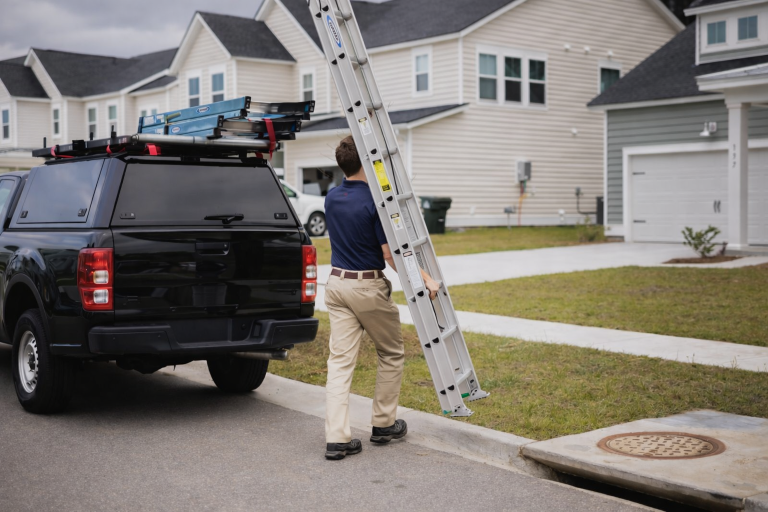
Why Wildlife Inspections Matter
Wildlife problems rarely resolve on their own. Animals that find shelter inside a home usually stay as long as conditions remain favourable. Over time, they cause damage, create odours, and increase health risks.
Without the proper information, any removal attempt is guesswork. A professional wildlife inspection is designed to:
- Identify the animal species involved
- Locate all entry points
- Find nesting areas and damage
- Determine if babies are present
- Assess contamination and risk
- Provide a clear removal and prevention plan
The Goal of a Wildlife Inspection
The purpose of a wildlife inspection is not only to confirm that animals are present. It is to understand the full scope of the issue. This comprehensive approach is what separates professional wildlife control from quick fixes.
This includes:
- How the animal entered the home
- How long it has been there
- Where it is nesting or travelling
- What damage has occurred
- What conditions allowed the entry
- What needs to be repaired to prevent return
What Happens Before the Inspection
When you book a professional wildlife inspection, the technician may ask a few questions ahead of time. This helps the technician know what to look for and where to focus.
Common Questions Include
- What kind of noises you are hearing
- When the noises occur
- Where you have seen damage
- Whether you have seen the animal
- How long the issue has been happening
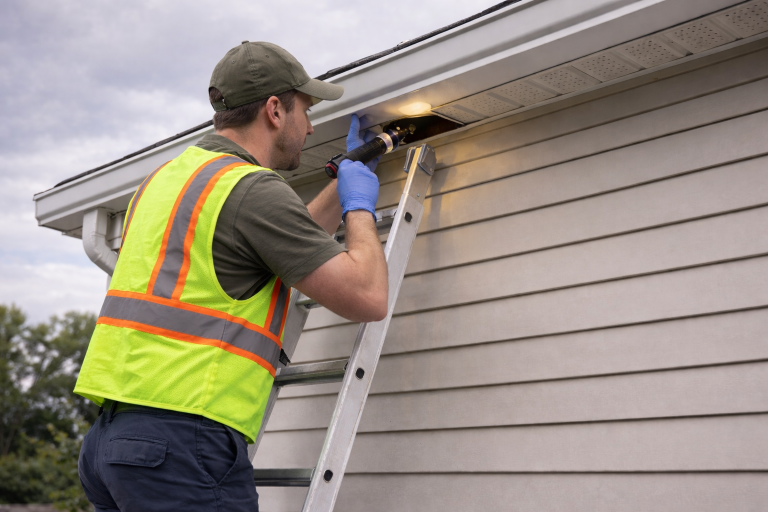
Exterior Inspection: The First Step
A wildlife inspection always starts outside. Most wildlife problems begin with exterior access points.
Roofline and Soffits
The technician checks the roofline, soffits, fascia, and eaves. These areas are common entry points for raccoons, squirrels, and birds. Even small openings can be enough for animals to enter.
They look for:
- Torn or loose soffit panels
- Chewed wood
- Gaps or holes
- Bent vents
- Displaced shingles
Vents and Chimneys
Roof vents and chimneys are frequent access points. Animals often push through weak vent covers or damaged caps.
The technician inspects:
- Bathroom and kitchen vents
- Attic vents
- Dryer vents
- Chimney caps
Foundation and Ground-Level Access
Skunks, raccoons, and rodents often enter through these locations.
At ground level, the inspection includes:
- Foundation cracks
- Gaps around utility lines
- Window wells
- Crawl space openings
- Areas under decks and porches
Landscaping and Surroundings
The technician also looks at the property itself. These conditions make it easier for wildlife to reach and enter the home.
This includes:
- Tree branches touching the roof
- Fences or sheds close to the home
- Overgrown vegetation
- Piles of debris or wood
- Garbage storage
Interior Inspection: Looking Inside the Structure
Once the exterior is checked, the inspection moves inside.
Attic Inspection
The attic is one of the most important areas. This helps determine how long the animal has been there and how active it is.
The technician looks for:
- Nesting material
- Trails in insulation
- Droppings and urine stains
- Compacted or displaced insulation
- Damage to wood and wiring
- Signs of babies
Basement and Crawl Space Inspection
Rodents, skunks, and raccoons commonly use these areas. Basements and crawl spaces are inspected for:
- Burrows
- Droppings
- Entry points
- Nesting areas
- Moisture issues
Garage and Utility Areas
Garages often provide easy access points.
The technician checks:
- Gaps around doors
- Cracks in walls
- Openings around pipes
- Signs of nesting
Identifying the Species
One of the most important parts of the inspection is identifying the animal involved. Different species require different approaches. Correct identification ensures the right removal method is used.
Raccoons
Heavy damage, large droppings, and loud noises usually point to raccoons.
Squirrels
Daytime noise, chewing damage, and roofline entry points often indicate squirrels.
Bats
Light fluttering sounds, droppings near vents, and stains around entry points suggest bats.
Skunks
Strong odours, digging near foundations, and burrows under decks often mean skunks.
Birds
Chirping, nesting material, and blocked vents point to birds.
Rodents
Small droppings, scratching noises, and chew marks suggest mice or rats.
Checking for Babies and Nesting
Wildlife inspections also focus on whether babies are present.
Why This Matters
Many animals have specific breeding seasons. If babies are in the attic or walls, removal must be handled carefully. Mothers will not leave if their young are inside. This information determines the timing and method of removal.
The technician looks for:
- High-pitched noises
- Small droppings
- Nesting clusters
- Movement patterns
Assessing Damage
Wildlife causes more damage than most homeowners realize. This helps estimate repair needs and prevent future problems.
During the inspection, the technician assesses:
- Chewed wood
- Torn insulation
- Damaged vents
- Broken soffits
- Compromised rooflines
- Contaminated areas
Evaluating Health and Safety Risks
Wildlife brings health concerns into the home. This determines whether sanitization or insulation replacement is needed.
The inspection checks for:
- Accumulated droppings
- Urine staining
- Parasites such as fleas or mites
- Odours
- Air quality concerns
Identifying Entry Points and Weak Areas
Professional inspections look for both active and potential entry points.
Active Entry Points
These are holes or gaps currently being used by animals.
Secondary Weak Points
These are areas that could become entry points in the future.
Sealing only active holes is not enough. A proper inspection identifies all vulnerabilities.
What You’ll Learn From a Professional Inspection
This gives you a clear understanding of the situation and the next steps. After the inspection, the technician will explain:
- What animal is present
- Where it entered
- Where it is nesting
- What damage has occurred
- Whether babies are present
- What removal method is recommended
- What repairs are needed
- How to prevent future entry
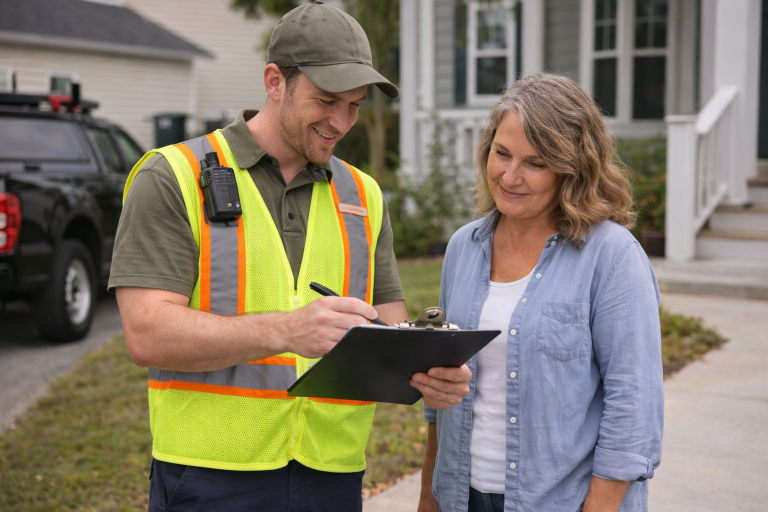
Why DIY Inspections Miss Critical Issues
Many homeowners try to inspect their own attic or exterior. Wildlife professionals know where to look and what signs to recognize.
Common problems with DIY inspections include:
- Missing hidden entry points
- Misidentifying the species
- Overlooking babies
- Not recognizing subtle damage
- Not understanding animal behaviour
Why Inspections Are Essential Before Removal
Attempting removal without inspection can cause serious problems. An inspection ensures removal is done safely and correctly.
Examples Include
- Sealing animals inside
- Separating mothers from babies
- Causing animals to tear through new areas
- Creating odour issues
- Leading to repeat infestations
How Long Does a Wildlife Inspection Take
The length of an inspection depends on the size and layout of the home and the severity of the issue. Most inspections take between 30 minutes and an hour. Larger or more complex properties may take longer. The time spent is worth it to ensure nothing is missed.
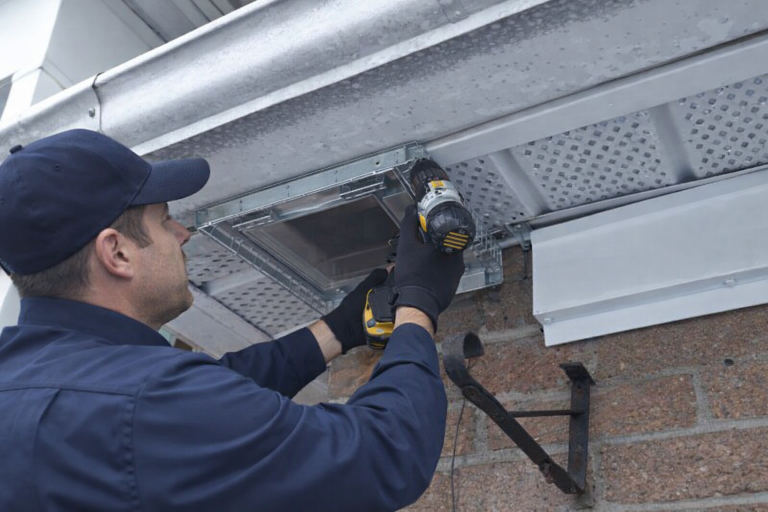
Why a Professional Inspection Saves Money
Catching wildlife problems early prevents:
- Structural damage
- Water leaks
- Electrical hazards
- Insulation replacement
- Odour remediation
- Repeat infestations
When You Should Book a Wildlife Inspection
Early inspection leads to easier solutions. You should consider a professional wildlife inspection if:
- You hear noises in the attic or walls
- You see damage to soffits, vents, or rooflines
- You find droppings or nesting material
- You notice strong animal odours
- Your pets are reacting to walls or ceilings
- You have had wildlife issues before
- You live near trees, ravines, or green spaces
Peace of Mind Starts With Knowing What’s Really Going On
Wildlife problems can be stressful, confusing, and disruptive. A professional wildlife inspection gives you clear answers, a plan of action, and confidence that the problem is being handled properly. Whether you are dealing with raccoons, squirrels, bats, skunks, birds, or rodents, the right inspection makes all the difference. If you suspect wildlife activity in your home, don’t wait for the damage to get worse. Book a professional wildlife inspection with Elite Pest and Wildlife Removal today and let our experienced team identify the problem, remove the animals safely, and protect your home from future intrusions.