
Rodent problems are rarely as simple as placing a trap and waiting. When mice or rats enter a home, they don’t just pass through. They nest, reproduce, contaminate surfaces, and cause damage behind walls, in attics, and throughout basements and crawl spaces. By the time homeowners notice scratching sounds or droppings, rodents are often well established.
Professional rodent treatment is designed to address the entire problem, not just the visible signs. It focuses on identifying how rodents are getting in, where they are nesting, how they are travelling through the home, and how to stop them from returning. Understanding what is actually included in a professional rodent treatment helps homeowners make informed decisions and avoid repeated infestations.
This guide breaks down every step involved in a proper rodent treatment and explains why each part matters.
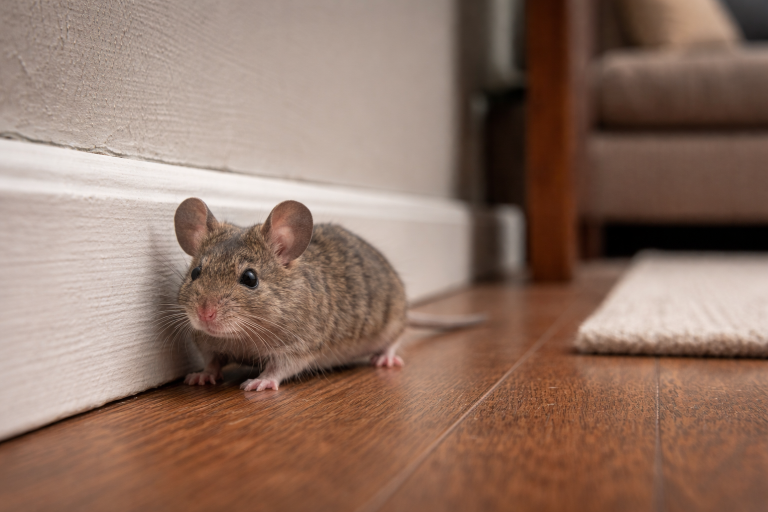
Why Rodent Problems Require Professional Treatment
Rodents are highly adaptable. They squeeze through tiny openings, chew through materials, and travel through wall voids, ceilings, and floor cavities. Store-bought traps and bait may catch individual rodents, but they do not solve the underlying issue.
Without addressing entry points, nesting areas, and environmental conditions, rodents continue to enter. This leads to ongoing activity, repeated sightings, and growing damage.
Professional treatment targets:
- The rodents currently inside
- How they entered the home
- Where they are nesting
- Why the environment is supporting them
This complete approach is what creates lasting results.
Detailed Rodent Inspection
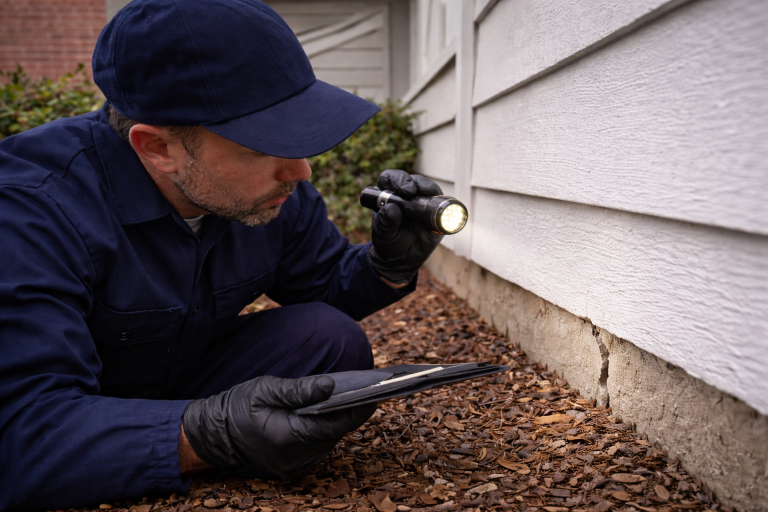
Every professional rodent treatment begins with a thorough inspection. This is one of the most important steps and often the most overlooked by DIY approaches.
Exterior Inspection
The technician examines the outside of the home to locate potential entry points and conditions that attract rodents. This includes:
- Foundation cracks and gaps
- Openings around gas, water, and electrical lines
- Window wells and basement windows
- Gaps under doors and garage doors
- Vents and utility penetrations
- Roofline intersections, soffits, and fascia
- Areas where siding meets brick or stone
- Landscaping and grading near the foundation
Rodents are excellent climbers and burrowers. The inspection looks both at ground-level access and roof-level access.
Interior Inspection
Inside the home, the technician checks for:
- Droppings and urine stains
- Nesting material
- Chewed wires, wood, and insulation
- Grease marks along baseboards
- Odours indicating nesting areas
- Activity in attics, basements, crawl spaces, garages, and utility rooms
This step helps identify how long the problem has been present and how widespread it is.
Species Identification
Not all rodents behave the same way. Identifying the species is critical for choosing the correct treatment approach.
Mice
Mice enter through extremely small openings and often nest inside walls, cabinets, and insulation.
Rats
Rats require slightly larger openings but cause more significant damage. They are powerful chewers and often nest in basements, crawl spaces, and lower levels.
Squirrels
Squirrels typically enter attics and rooflines and are active during the day. Each species requires different strategies for effective control.
Locating Entry Points
Rodent treatment is not just about removal. It is about stopping access.Many homes have multiple access points. Closing only one often leads rodents to find another.
During inspection, the technician identifies:
- Active entry points
- Secondary openings rodents may use later
- Weak areas that could become future access points
Strategic Placement of Bait Stations or Traps
Once entry points and travel paths are identified, the technician places bait stations or traps strategically.
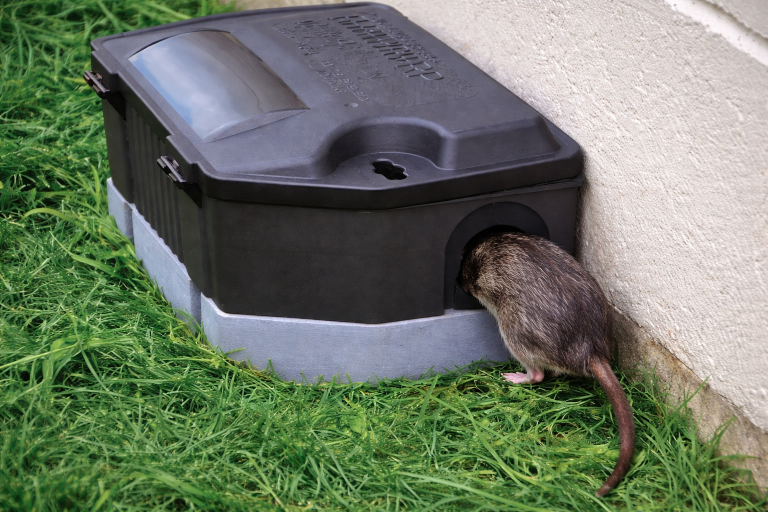
Tamper-Resistant Bait Stations
In many professional treatments, enclosed bait stations are used. These are:
- Locked and tamper-resistant
- Placed along rodent travel routes
- Positioned in areas inaccessible to pets and children
This ensures safety while targeting rodents effectively.
Sealing Entry Points
One of the most important parts of professional rodent treatment is exclusion. This is the process of sealing entry points so rodents cannot get back inside.
Common Areas Include
- Foundation gaps
- Cracks in masonry
- Openings around utility lines
- Gaps under doors and garage doors
- Roofline gaps
- Vent openings
Materials used are rodent-resistant and designed to withstand chewing. This may include steel mesh, metal flashing, and professional-grade sealants. Foam alone is rarely sufficient, as rodents chew through it easily.
Addressing Nesting Areas
A professional treatment identifies nesting zones and provides recommendations for cleanup, sanitation, and in some cases, insulation replacement. Rodents often nest in:
- Insulation
- Wall voids
- Attics
- Crawl spaces
- Storage areas
- Behind appliances
Leaving contaminated nesting material in place can lead to ongoing odours, health risks, and re-infestation.
Sanitation and Contamination Advice
Rodents contaminate areas with urine, droppings, and nesting debris. A professional service will advise on:
- Safe cleanup procedures
- Areas that require disinfection
- When professional cleanup or insulation replacement is needed
Improper cleanup can spread contamination and create airborne exposure risks.
Environmental and Structural Recommendations
Professional rodent treatment also includes guidance on how to reduce conditions that attract rodents. These steps reduce the chance of rodents returning.
This May Include Advice On
- Securing garbage and compost
- Removing outdoor food sources
- Trimming vegetation away from the home
- Improving drainage and reducing moisture
- Storing food in sealed containers
- Reducing clutter in basements and garages
Monitoring and Follow-Up
Rodent treatment does not always end in one visit. Follow-up is often required to:
- Monitor bait station activity
- Check trap results
- Confirm entry points remain sealed
- Adjust placement if needed
Rodents are persistent. Ongoing monitoring ensures the problem is fully resolved.
Why Professional Rodent Treatment Is More Effective Than DIY
Many homeowners try store-bought traps or bait first. While these can catch individual rodents, they rarely solve the problem long-term.
DIY Limitations Include
- No inspection of entry points
- No sealing of access areas
- Improper bait placement
- Safety risks to pets and children
- No monitoring or follow-up
Without addressing how rodents are entering, new rodents simply replace the ones removed.
Health and Safety Benefits of Professional Treatment
Rodents are linked to:
- Bacteria and pathogens
- Parasites such as fleas and mites
- Allergens that trigger asthma and respiratory issues
- Contamination of food and surfaces
Professional treatment reduces these risks by eliminating rodents and preventing re-entry.
Property Protection Benefits
Rodents cause extensive damage, including:
- Chewed electrical wiring
- Damaged insulation
- Structural wood damage
- Contaminated storage areas
- Odour issues
A professional treatment protects the home’s structure and reduces the risk of costly repairs.
How Long Does Professional Rodent Treatment Take?
The timeline varies depending on the severity of the infestation. Some cases resolve quickly, while others require multiple visits and ongoing monitoring.
Factors That Affect Timeline
- Number of rodents present
- How long the infestation has existed
- Number of entry points
- Size and layout of the home
- Type of rodent involved
What Homeowners Should Expect During Treatment
During a professional rodent treatment, homeowners can expect:
- Clear communication about findings
- Explanation of entry points and activity areas
- Safe placement of bait or traps
- Recommendations for prevention
- Guidance on cleanup and sanitation
- Instructions for pets and children
A reputable provider will always explain the process and answer questions.
Why Skipping Sealing Leads to Repeat Problems
One of the biggest mistakes homeowners make is treating rodents without sealing entry points. Exclusion is the difference between temporary relief and long-term control.
If access remains open:
- New rodents enter
- Infestations return
- Treatment becomes ongoing instead of permanent
When to Call for Professional Rodent Treatment
Early treatment prevents escalation and costly treatments. You should seek professional help if you notice:
- Droppings in kitchens, basements, or garages
- Scratching or scurrying sounds in walls or ceilings
- Chewed wires, packaging, or wood
- Strong odours
- Daytime rodent sightings
- Pets reacting to walls or cabinets
Stop Rodents at the Source and Take Back Your Home
Rodents do not go away on their own. The longer they remain, the more damage and contamination they cause. A professional rodent treatment does more than remove rodents. It identifies how they got in, stops future access, and protects your home from repeat infestations. If you’re dealing with mice, rats, or other rodents, now is the time to act. Book professional rodent treatment with Elite Pest and Wildlife Removal today to eliminate rodents safely, seal entry points, and protect your home for the long term.