
Cockroach infestations remain a persistent problem in apartment buildings across Hamilton. In recent years, many landlords, tenants, and pest-control professionals have reported an uptick in roach sightings, particularly in older multi-unit dwellings. Several converging factors, from climate trends to building construction, shared walls, and changing tenant behaviour help explain this rise. Understanding why roaches are becoming more common in apartments is the first step toward effective long-term prevention and control.
This post outlines the main reasons for increasing cockroach activity in Hamilton apartments, highlights the risks associated with these infestations, and offers practical advice to tenants and building managers on how to respond.
What Makes Apartments Especially Vulnerable to Cockroach Infestations
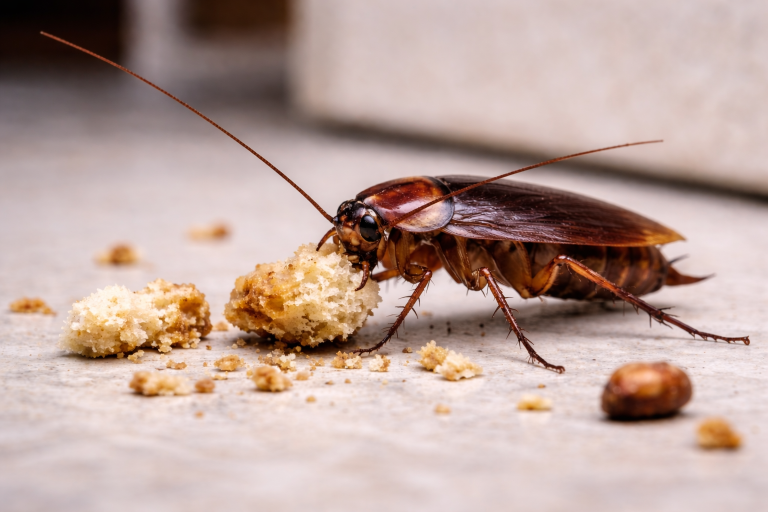
Cockroaches are notoriously opportunistic. They look for three basic things: food, water, and shelter. Apartment buildings often present an irresistible combination of these elements — shared plumbing and walls, common trash areas, tight quarters with many units, and aging construction or maintenance issues.
Shared Walls, Utilities, and Easy Travel Between Units
In multi-unit buildings, cockroaches can easily move between apartments through shared walls, plumbing chases, gaps around pipes, drains, and utility passages. When one unit develops an infestation, adjacent units are at high risk. Even if one apartment is spotless, neighbours’ habits or issues can expose it to roach incursions.
Hidden Entry Points, Cracks, and Gaps
Older buildings or apartments with deteriorated seals, missing weather-stripping, foundation cracks, or poorly sealed plumbing penetrations make it easy for cockroaches to slip inside. Once inside, roaches hide behind appliances, under sinks, inside cabinets, and in wall voids.
Moisture, Leaks, and Humid Conditions
Cockroaches are drawn to moisture just as much as to food. Leaky pipes, dripping faucets, damp basements, poorly ventilated bathrooms, or condensation around plumbing provide water sources that allow roaches to survive even in relatively clean units. In apartments, shared plumbing and occasional maintenance issues increase the chances of unnoticed slow leaks, a perfect draw for roaches
Dense Living Conditions and High Turnover
In buildings with many units, especially if occupancy changes often, there tends to be more movement of people, belongings, and waste. Tenants may bring in infested items (used furniture, boxes, luggage), or neglect proper sealing of trash or storage items. Cockroaches hitch a ride more easily under these conditions.
Easy Access to Food Residues, Trash, and Shared Waste Areas
Apartments often feature shared trash/recycling rooms, compact kitchens, pet food bowls, or stored pantry items. Cockroaches are not picky eaters. They will eat crumbs, grease, cardboard, even glue or organic residue inside cardboard boxes or packaging. Even minimal food residue or unsecured trash invites infestation.
Broader Trends Driving More Cockroaches in Hamilton (and Across Canada)
Beyond the inherent vulnerability of apartments, several larger environmental and societal trends contribute to rising infestations.
Climate Trends and Changing Weather Patterns
Warmer winters, milder springs, and shifts in precipitation affect pest behaviour. In regions like Ontario, milder or wetter seasons help cockroaches survive longer and reproduce more readily. Moist and humid conditions, especially around older apartment plumbing or basement areas, create ideal roach habitats.
Increased Urban Density and Growing Rental Demand
As more residents move into cities and rent apartments, the demand for dense multi-unit housing increases. High-density living often means many shared walls, higher turnover, frequent movement of belongings, and greater pressure on waste disposal, which are all factors that allow cockroaches to spread and persist.
Aging Buildings and Deferred Maintenance
Some Hamilton apartment buildings are older and may not receive timely maintenance. Worn seals around windows or doors, deteriorating baseboards, aging plumbing, and damaged foundation seals all create entry points for pests. Once inside, roaches find plenty of hiding spots undisturbed over time.
Roach Resilience and Adaptability
Certain species of cockroaches, particularly those adapted to indoor living, thrive in heated apartments and indoor plumbing systems. They only need small amounts of water daily, and minimal shelter to survive and reproduce. Because of their biology and adaptability, even well-kept units can end up infested.
Health and Safety Risks Associated With Cockroach Infestations in Apartments
Cockroaches pose more than a nuisance. Their presence in apartments carries serious potential health and safety risks.
- Contamination of food and surfaces: Cockroaches scavenge through garbage, drains, and unclean areas, then walk through kitchens, cupboards, and countertops, contaminating food, dishes, and cooking surfaces.
- Allergens and respiratory issues: Their droppings, shed skins, and body parts often trigger allergic reactions and can worsen asthma or cause respiratory irritation, especially among children.
- Rapid reproduction and hidden populations: Female roaches produce egg cases that release multiple nymphs. In favourable conditions common in apartments, warmth, moisture, food residue, populations grow quickly before tenants even notice.
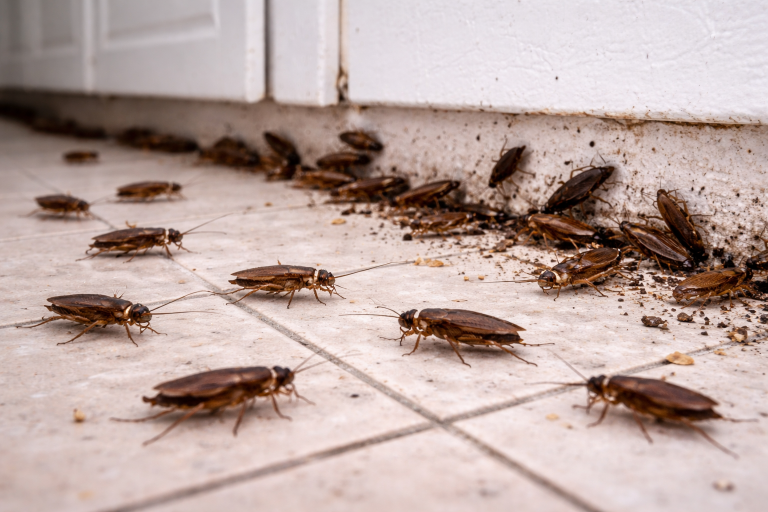
- Spread throughout the building: Once established, roaches migrate between units, making infestations building-wide rather than isolated. Treating a single unit without addressing neighbouring units often fails.
Why Traditional “Clean & Tidy” Approaches Often Fail in Apartment Settings
Many people assume that maintaining a spotless home is sufficient to prevent pests. But with cockroaches, especially in apartments, that assumption is flawed. Even spotless apartments may have food or water sources in hidden places: under sinks, behind appliances, inside plumbing or drains, or in shared trash rooms. Cockroaches only need minimal resources to survive. They can enter through unseen gaps in walls, plumbing, vents, and utility penetrations that tenants might never notice. Pure cleanliness does not seal entry points or block those access routes.
If one apartment in a building has even a small problem, neighbouring units are at risk. Risk of infestation especially increases if corridors, shared walls, or common plumbing lines connect them. An individual’s efforts cannot always overcome systemic building vulnerabilities.
Because of these dynamics, professional-grade intervention and building-wide coordination are often necessary to get on top of roach infestations.
What Tenants and Landlords in Hamilton Should Do to Fight the Rise in Cockroach Infestations
Stopping the trend requires both individual action and building-wide cooperation. Whether you rent, own, or manage an apartment building, these steps can make a big difference.
For Tenants: Proactive Habits That Help
- Store food in sealed, airtight containers. Do not leave pet food or crumbs out overnight. Empty garbage regularly and rinse recyclables before storing them.
- Fix leaks or moisture issues promptly. Even a slow leak under a sink or a dripping faucet provides cockroaches with enough water to survive. Check for condensation, damp spots, or leaks around plumbing.
- Seal cracks, gaps, and possible entry points. Inspect around windows, doors, plumbing penetrations, baseboards, and vents. Use caulking, door sweeps, and weather stripping where needed.
- Be cautious when bringing used furniture or boxes into your unit. Cockroaches and their eggs hitch rides on items like used furniture, grocery boxes, luggage, and second-hand goods.
For Landlords and Building Managers: Building-Wide Measures
- Conduct regular inspections of plumbing, drains, shared trash areas, and utility shafts. Address leaks, gaps, damaged seals, and sanitation issues promptly.
- Organize preventative pest control on a building-wide basis, especially in older buildings or those with many units. Since cockroaches move between units, treating the entire building helps prevent re-infestation.
- Educate tenants about their role: storage of food, cleanliness, reporting leaks and signs of pests early. Clear communication and cooperation are essential to maintain a pest-free environment.
- Ensure proper waste handling: sealed trash bins, frequent removal of garbage, secure recycling storage, and regular cleaning of shared waste rooms.
For Both Tenants and Landlords: Quick Response Is Critical
Once roaches are spotted, delay can lead to rapid population growth. With favourable apartment conditions, a few roaches can grow into a full infestation in weeks.
What Makes 2026 Particularly Challenging for Cockroach Control in Hamilton
Several recent trends make cockroach control more difficult this season and beyond:
- Changing weather patterns and milder winters in and around Ontario allow roaches to survive longer outdoors and find easier paths indoors.
- Increased apartment-rental demand has led to more multi-unit buildings, higher occupancy, and more frequent tenant turnover. All these factors increase chances of roach introduction and spread.
- Common building maintenance challenges, aging housing stock, and aging plumbing raise the risk of leaks, gaps, and structural vulnerabilities that cockroaches exploit.
- The adaptability and resilience of cockroach species, especially those well suited to indoor life, make infestations harder to eradicate with DIY or sporadic efforts alone.
Why It Matters to Act
Cockroach infestations are more than just unpleasant. They pose real risks:
- Spread of bacteria and pathogens via contamination of food, dishes, and kitchen surfaces.
- Allergens, droppings, and shed skins trigger allergies and respiratory issues among residents.
- Persistent infestations degrade living conditions and can decrease tenant satisfaction or property value.
- Once established, roaches can be extremely difficult and costly to remove, requiring coordinated efforts and sometimes multiple treatments.
For the wellbeing of residents and the integrity of the building, early detection and prompt response are crucial.
Taking Action: How to Protect Your Hamilton Apartment Today
Whether you are a tenant, a landlord, or a building manager in Hamilton, you have a role to play in fighting cockroach infestations. Start with these steps:
- Inspect and seal any visible gaps, cracks, plumbing penetrations, or poorly sealed doors and windows.
- Store food in sealed containers, clean thoroughly after cooking, and empty garbage regularly.
- Fix any leaks, dripping faucets, or damp areas, especially under sinks, around pipes, and near drains.
- Keep shared waste and garbage areas clean, secure, and sealed.
- Work with neighbours, tenants, or building management to coordinate inspection and pest control efforts building-wide.
- When in doubt, call a qualified pest control professional, especially if infestations are recurring or widespread across units.
Preventing cockroaches requires vigilance, cooperation, and timely action. With a consistent approach, you can stop infestations before they start and protect both your health and your home.
Ready to Kick Roaches Out for Good?
Cockroach infestations don’t go away on their own, and rising activity in Hamilton apartment buildings means now is the perfect time to protect your home. Whether you’re dealing with a small problem or a building-wide issue, Elite Pest & Wildlife Removal is ready to help with fast, reliable, professional service.
Call 226-208-7793 or visit www.elitepestandwildlife.ca to book your appointment today and reclaim your space.