
Finding mouse droppings in the kitchen, hearing scratching in the walls, or spotting a rat in the basement is enough to send most homeowners straight to the hardware store. Traps, poison, ultrasonic devices, and sprays promise quick solutions, but for many people, the problem keeps coming back. A mouse disappears, then another shows up. The scratching stops for a week, then starts again. The cycle repeats.
Rodents are not simple pests. They are intelligent, adaptable, and extremely persistent. While DIY methods can sometimes reduce activity, they rarely solve the root problem. Understanding why store-bought solutions fail and what actually works is the key to permanently getting rodents out of your home.

Why Rodent Problems Are More Complex Than They Appear
When most people think of rodent control, they picture a mouse running across the floor and a trap catching it. What they do not see is the nest inside the wall, the entry point behind the furnace, or the trail along the foundation that leads directly into the house.
Rodents live in hidden spaces. By the time you see one, there are usually more. They breed quickly, move silently through wall voids, and often access multiple areas of the home. Treating only what you can see rarely stops the infestation.
The Most Common DIY Rodent Control Methods
Homeowners typically try a combination of the following:
- Snap traps
- Glue traps
- Poison bait
- Ultrasonic repellents
- Peppermint oil or natural sprays
- Sealing visible holes
- Store-bought bait stations
While these tools may catch or repel individual rodents, they almost never address the full infestation.
Why DIY Traps Rarely Solve the Problem
Traps are designed to catch rodents, not prevent them from entering.
You Catch One, Not the Colony
Rodents live in groups. Catching one mouse does not remove the nest, the breeding females, or the entry point. New rodents simply replace the ones that are caught.
Incorrect Placement
Rodents follow specific travel paths along walls and edges. Traps placed in the wrong location may never be triggered, even when rodents are active.
Trap Avoidance
Rodents are cautious. After seeing other rodents caught, they may avoid traps altogether.
Limited Reach
Traps only work where you place them. Rodents nesting inside walls, ceilings, and attics may never encounter them.
Why Poison Often Creates Bigger Problems
Poison is one of the most common DIY approaches, but it carries serious risks.
Rodents Die in Hidden Areas
When poisoned, rodents often crawl into walls, ceilings, or attics before dying. This leads to strong odours that can last for weeks.
Secondary Poisoning
Pets and wildlife can be harmed by eating poisoned rodents.
No Entry Point Control
Poison kills rodents inside the home but does nothing to stop new ones from entering.
Incomplete Elimination
Not all rodents will consume the bait. Some avoid it, allowing the infestation to continue. Poison may reduce numbers temporarily, but it rarely solves the problem long-term.
Why Ultrasonic Repellents and Natural Remedies Don’t Work
Many products promise to repel rodents using sound, scent, or vibration.
Ultrasonic Devices
These devices claim to drive rodents away using high-frequency sound. In reality, rodents quickly adapt and ignore the noise.
Peppermint Oil and Natural Sprays
Strong smells may discourage rodents briefly, but they do not remove nests, seal entry points, or eliminate infestations.
Mothballs and Household Remedies
These can be harmful to people and pets and rarely affect rodent behaviour. Rodents are motivated by shelter, warmth, and food. Mild deterrents do not outweigh those benefits.
Why Sealing One Hole Is Not Enough
Some homeowners find a small gap and seal it, hoping that solves the problem.
Multiple Entry Points
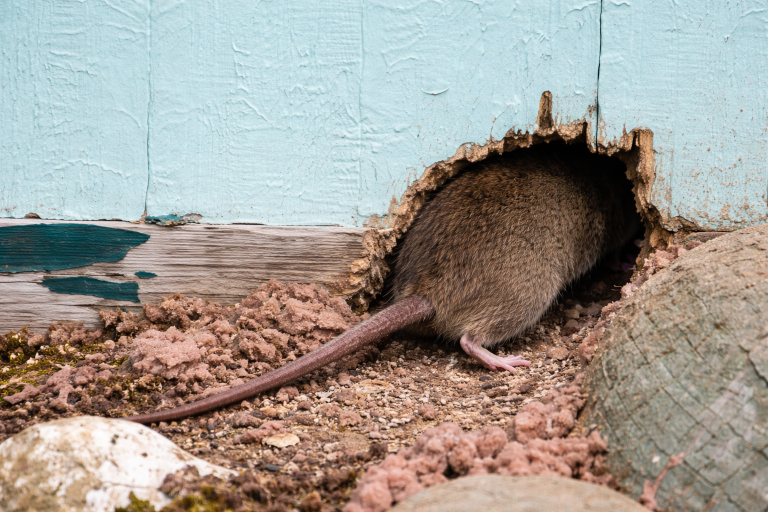
Most homes have more than one entry point. Sealing one simply forces rodents to use another.
Hidden Access Points
Rodents enter through areas that are not obvious, including:
- Behind siding
- Along rooflines
- Through vents
- Around utility lines
- Through foundation cracks
Without a full inspection, many access points go unnoticed.
Chew-Through Materials
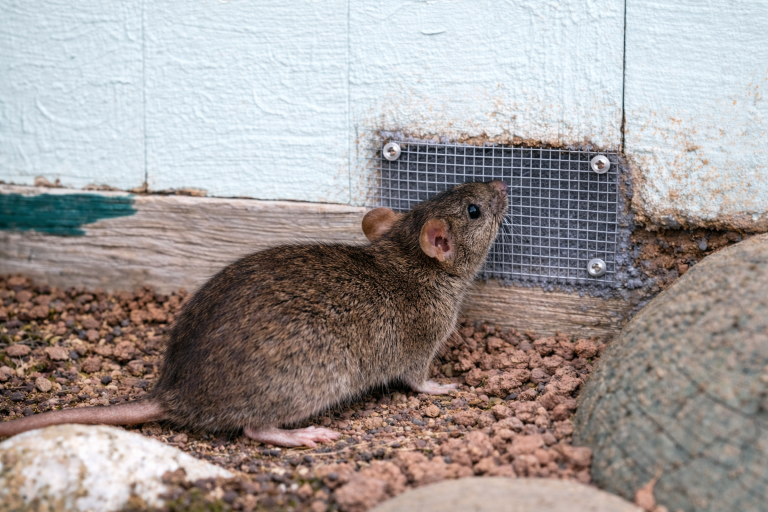
Rodents chew through foam, wood, and some sealants. Improper repairs are quickly undone. Sealing entry points must be done strategically with rodent-resistant materials.
Why Rodents Keep Coming Back After DIY Attempts
Many homeowners feel frustrated because the problem seems to return no matter what they try. This happens for several reasons.
Nests Are Not Removed
If the nest remains, rodents will continue breeding.
Entry Points Remain Open
New rodents enter through the same access points.
Food Sources Remain Available
Garbage, pet food, bird seed, and pantry items continue to attract rodents.
Neighbouring Properties
Rodents move between properties. If the surrounding area has activity, your home is at risk. Without addressing all contributing factors, the cycle continues.
The Real Scope of Rodent Infestations
Rodents do far more than run across floors.
Behind the Scenes, They Are:
- Chewing electrical wiring
- Tearing insulation for nesting
- Contaminating surfaces with urine and droppings
- Creating odours
- Spreading bacteria and parasites
- Weakening structural materials
By the time a rodent is visible, significant activity may already be happening out of sight.
Why Professional Rodent Control Is Different
Professional rodent control focuses on elimination, exclusion, and prevention.
Thorough Inspection
A professional inspection identifies:
- Entry points
- Nesting areas
- Travel paths
- Structural vulnerabilities
- Food and moisture sources
This provides a complete picture of the infestation.
Targeted Treatment
Professionals place bait stations and traps strategically along known travel routes and near nesting areas. Products are stronger, more effective, and used safely.
Exclusion Work
One of the most important differences is exclusion. This involves sealing all identified entry points with durable, rodent-resistant materials. Without exclusion, rodent control is temporary.
Nesting Area Identification
Professionals locate and advise on removal of nesting materials. This reduces odours, parasites, and reinfestation risk.
Environmental Recommendations
A professional will point out conditions that attract rodents, such as:
- Open garbage
- Bird feeders
- Cluttered basements
- Moisture issues
- Landscaping touching the home
Correcting these conditions makes the home less appealing to rodents.
Why Professional Rodent Control Works Long-Term
Professional treatment works because it addresses every stage of the problem. This breaks the cycle instead of repeating it.
- Rodents are removed
- Entry points are sealed
- Nesting areas are identified
- Conditions are improved
- Follow-up ensures success
The Cost of Relying on DIY Methods
Many homeowners spend money repeatedly on traps, sprays, and repellents.
Hidden Costs Include
- Ongoing product purchases
- Damage to wiring and insulation
- Odour remediation
- Health concerns
- Time and frustration
In many cases, the total spent on DIY attempts exceeds the cost of professional treatment.
Health and Safety Risks of DIY Rodent Control
Improper rodent control can create health risks.
Contamination
Cleaning droppings without proper protection can spread bacteria.
Poison Exposure
Improperly placed poison can harm pets and children.
Airborne Particles
Disturbing nesting areas can release contaminated dust into the air. Professional control uses safe, controlled methods to reduce these risks.
When DIY Might Seem to Work but Doesn’t
Sometimes activity appears to stop after a trap catches a mouse or poison is placed. This often leads homeowners to believe the problem is solved.
In reality:
- Other rodents may still be present
- Nests may still be active
- New rodents may enter
- Seasonal activity may change
The problem often returns weeks or months later.
Signs That DIY Is Not Enough
You should seek professional help if:
- You continue to see droppings
- Noises persist in walls or ceilings
- Traps are repeatedly triggered
- Odours are present
- Damage is visible
- Activity returns after stopping
- You see rodents during the day
These signs indicate an established infestation.
Why Early Professional Treatment Matters
Rodent problems get worse with time. Waiting allows populations to grow and damage to spread.
Early treatment:
- Requires less work
- Causes less damage
- Costs less
- Is easier to resolve
- Reduces health risks
What to Do Instead of DIY Rodent Control
Instead of cycling through products and hoping for results, take a strategic approach.
- Schedule a professional inspection
- Identify and seal entry points
- Remove active rodents
- Address nesting areas
- Improve sanitation and conditions
- Monitor and follow up
Stop Wasting Time and Start Solving the Problem
DIY rodent control fails because it treats the symptom, not the cause. Rodents are persistent, intelligent, and highly adaptable. Without proper inspection, exclusion, and professional treatment, they continue to return. If you are dealing with mice, rats, or other rodents, now is the time to take real action. Book professional rodent treatment with Elite Pest and Wildlife Removal today and let our experienced team eliminate the infestation, seal entry points, and protect your home from repeat rodent problems.