
As winter fades and temperatures begin to rise across Hamilton, many homeowners start focusing on spring cleaning, yard maintenance, and preparing their homes for the warmer months ahead. What often gets overlooked during this seasonal transition is pest activity. Spring is one of the most important times of year for pest control, and scheduling a professional pest inspection during this period can prevent many common infestations before they become serious problems.
In Southern Ontario, including Hamilton and surrounding areas like Burlington, Ancaster, and Stoney Creek, spring marks the beginning of increased pest movement. Rodents that sheltered indoors through winter become more active, insects begin emerging from overwintering sites, and wildlife starts searching for nesting locations. A proactive inspection at this time of year allows homeowners to identify vulnerabilities early and address them before pests gain a foothold inside the home.
For homeowners looking to avoid costly infestations later in the year, spring is the ideal time to have a professional pest inspection performed.

Pest Activity Begins to Increase in Early Spring
Many pests that affect homes in Hamilton remain relatively dormant during the coldest winter months. As soon as temperatures begin to stabilize above freezing, their activity rapidly increases.
Ants begin expanding colonies and searching for food sources. Carpenter ants that spent winter inside wall voids or structural wood start becoming active again. Spiders become more visible as they rebuild webs and hunt emerging insects. Overwintering insects such as cluster flies and lady beetles may begin appearing near windows as they try to exit wall cavities.
Rodents that spent winter inside homes often increase movement in spring as they search for food and new nesting areas. Mice can reproduce quickly, and small populations that went unnoticed during winter can grow significantly by early summer.
Wildlife activity also increases dramatically in spring. Raccoons and squirrels begin searching for safe nesting areas to raise their young. Attics, soffits, and roof vents are common entry points they attempt to access. Once babies are present, removal becomes more complex and must be handled carefully to ensure humane relocation.
Because so many pests begin moving at the same time in spring, this season presents the best opportunity to identify problems before they escalate.
Winter Damage Can Create Hidden Entry Points
Winter weather in Hamilton can be hard on homes. Snow accumulation, ice buildup, and fluctuating temperatures often create small structural vulnerabilities that pests later exploit.
Roof vents can loosen or crack during freeze and thaw cycles. Soffits and fascia boards may shift slightly, creating small gaps along rooflines. Foundation cracks may expand as the ground shifts during winter frost. These openings are rarely noticeable to homeowners but can provide perfect entry points for pests.
Mice only require a gap the size of a dime to enter a home. Squirrels can chew through weakened wood or plastic vents to gain attic access. Wasps and insects may use small openings around siding or utility lines to enter wall cavities. A professional pest inspection in spring allows technicians to thoroughly examine these areas and identify potential vulnerabilities. Addressing these issues early helps prevent pests from entering the home as activity increases throughout the warmer months.
Preventing Infestations Is Much Easier Than Eliminating Them
One of the biggest advantages of a spring pest inspection is the ability to prevent infestations rather than reacting to them. Once pests establish themselves inside a home, removal can become more complicated and expensive. Carpenter ants can damage structural wood. Rodents can contaminate insulation and chew wiring. Wildlife can tear open soffits and vents while creating nesting areas in attic insulation.
When problems are caught early during an inspection, technicians can implement targeted treatments or preventative measures before pests spread throughout the home. Exterior ant treatments, rodent monitoring stations, and entry point sealing can significantly reduce the likelihood of future infestations. These preventative steps are far more effective when applied before pest populations grow. Spring inspections allow homeowners to stay ahead of pest activity instead of responding after problems are already established.
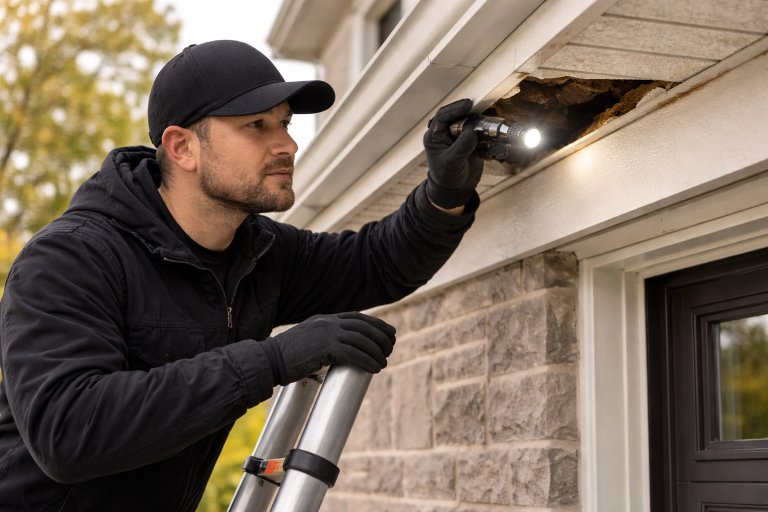
Spring Is When Wildlife Begins Nesting
Hamilton homeowners often experience increased wildlife activity in spring. Squirrels, raccoons, and other animals begin searching for safe locations to raise their young.
Attics provide warm, protected environments that are ideal for nesting. Roof vents, soffits, and roofline gaps are common access points wildlife use to enter homes.
If animals gain access before homeowners notice the problem, they may already have babies in the attic by the time removal is attempted. Wildlife removal during baby season requires specialized techniques to ensure young animals are safely removed and reunited with their mother outside the home.
A spring inspection can identify vulnerable areas before animals gain entry. Reinforcing roof vents, repairing soffits, and installing protective vent covers can prevent wildlife from accessing attic spaces in the first place. Preventative wildlife exclusion is far easier and less stressful for homeowners than dealing with animals that have already moved inside.
Early Detection of Rodent Activity
Rodents are one of the most common pest problems in Hamilton homes. Mice and rats often enter houses during the colder months seeking warmth and shelter. Even when homeowners do not notice obvious signs of activity during winter, small rodent populations may still be present inside walls, attics, or basements.
Spring inspections allow technicians to identify early warning signs such as droppings, nesting material, rub marks along walls, or small entry points around the exterior of the home. Catching rodent activity early allows technicians to place monitoring stations and implement targeted control measures before populations grow larger. Rodents reproduce quickly. A small issue in early spring can become a major infestation by summer if left untreated.
Spring Treatments Provide Long-Term Protection
Many pest control treatments are most effective when applied early in the pest season. Exterior barrier treatments can significantly reduce insect activity around the home for months. Spider sprays, ant treatments, and preventative insect control measures applied in spring help stop pests before they begin entering homes in larger numbers during summer. For homeowners who want to minimize pest problems throughout the year, starting preventative treatments early provides the best results.
Spring is also when technicians can identify landscaping or environmental factors that contribute to pest activity. Excess moisture, wood debris near foundations, and dense vegetation near siding can all increase pest pressure. Making small adjustments during spring inspections can reduce the likelihood of pests returning later in the season.
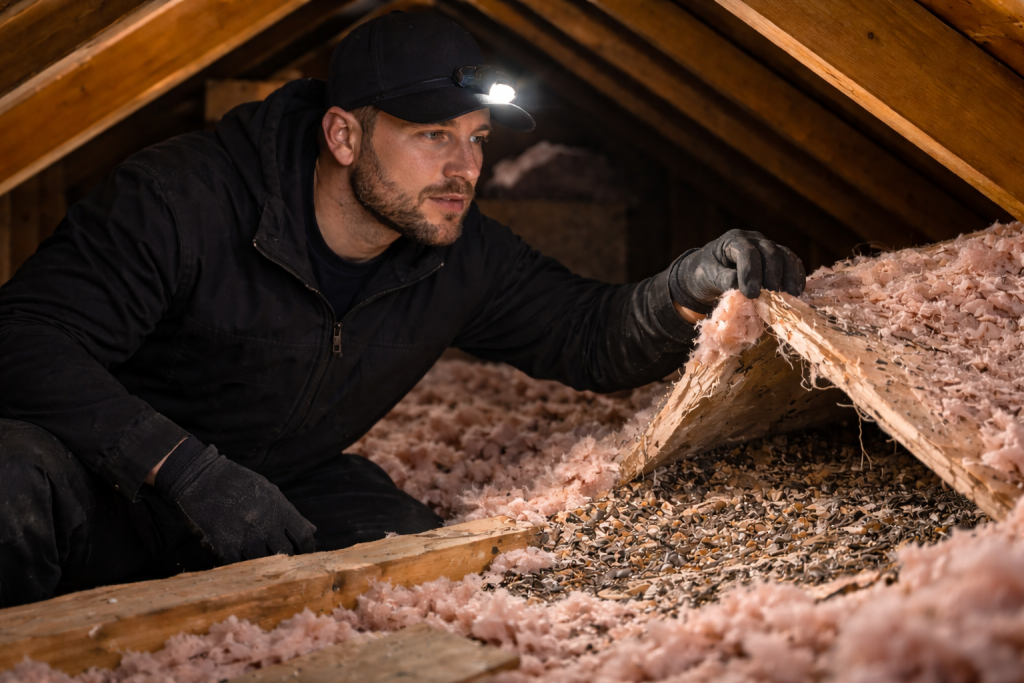
Professional Inspections Identify Problems Homeowners Miss
Even attentive homeowners may overlook subtle signs of pest activity. Professional pest technicians are trained to identify early indicators that may not be obvious to someone unfamiliar with pest behaviour.
During a pest inspection, technicians examine areas such as attic spaces, rooflines, exterior vents, foundation gaps, and interior areas where pests commonly hide. They look for signs such as chew marks, nesting material, damaged vents, insect activity, and structural vulnerabilities that could allow pests to enter the home. Because technicians deal with pest problems daily, they can quickly identify potential risks and recommend solutions before issues escalate. A professional inspection provides homeowners with a clearer understanding of their home’s vulnerability to pests and what preventative steps should be taken.
Peace of Mind for the Season Ahead
One of the biggest benefits of scheduling a spring pest inspection is peace of mind. Knowing that your home has been professionally inspected and any potential vulnerabilities have been addressed allows homeowners to enjoy the warmer months without worrying about pests suddenly appearing inside the house.
Instead of reacting to ants in the kitchen, scratching noises in the attic, or rodents in the basement, homeowners can feel confident that preventative measures are already in place. Spring inspections set the foundation for a pest-free home throughout the rest of the year.
Schedule Your Spring Pest Inspection with Elite Pest and Wildlife
If you live in Hamilton or nearby communities, spring is the perfect time to ensure your home is protected from pests before activity increases. A professional inspection can identify early signs of rodent activity, locate potential wildlife entry points, and detect structural vulnerabilities that insects may exploit during the warmer months.
At Elite Pest & Wildlife Removal, our experienced technicians provide thorough inspections designed to identify problems before they become infestations. We take the time to examine common entry points, assess pest activity, and recommend practical solutions to keep your home protected. Whether you are concerned about rodents, insects, or wildlife entering your attic, a spring inspection can help you stay ahead of potential problems.
If you suspect wildlife activity is going on in your home, schedule your pest inspection with Elite Pest and Wildlife Removal. Our team is ready to help you protect your home and keep pests out this season.