
If ants seem to appear in your kitchen like clockwork every spring, you’re not imagining things. Across Hamilton and surrounding areas, spring is the busiest season for ant activity inside homes. As temperatures rise and snow melts, ants emerge from winter nesting sites and begin actively searching for food, water, and new colony locations. Unfortunately, kitchens provide everything they need.
Understanding why ants target kitchens in spring helps homeowners stop infestations early and prevent the same problem from returning year after year.
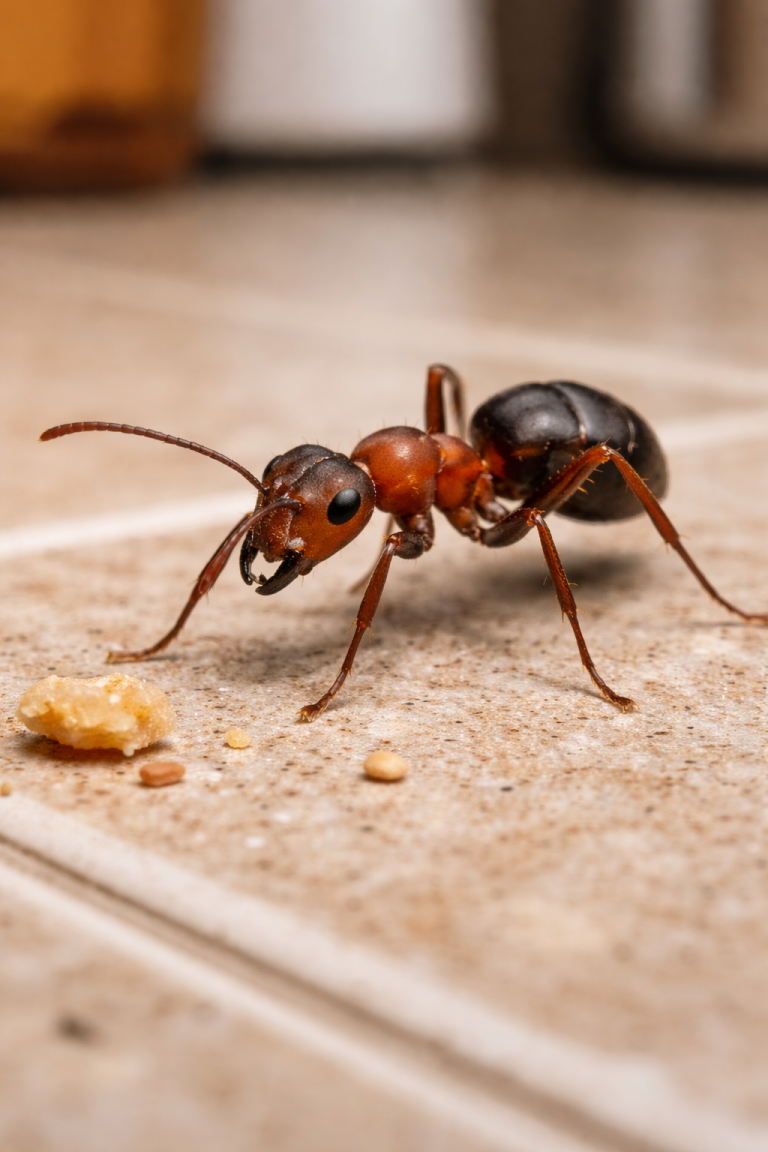
Spring Wakes Ant Colonies Back Up
During winter, most ants slow down significantly. Some species go dormant, while others remain active deep inside wall voids, under slabs, or beneath foundations where temperatures stay more stable.
As spring arrives, warming soil and increased moisture signal ants that it’s time to expand. Colonies begin sending out worker ants to scout for food and suitable nesting areas. These scouts are usually the first ants homeowners notice on countertops, floors, and along baseboards. Once scouts find a reliable food source, they leave scent trails that guide the rest of the colony straight into your kitchen.
Kitchens Are the Perfect Spring Food Source
Ants are not randomly wandering into kitchens. They are following very specific signals tied to food and moisture. Even clean kitchens can attract ants if small food particles or moisture are present. Ants need very little to survive, and once they find it, they return repeatedly.
Common kitchen attractants include:
- Crumbs on counters and floors
- Sugary spills and residue
- Pet food and water bowls
- Garbage and recycling bins
- Moisture around sinks and appliances
Melting Snow and Spring Moisture Push Ants Indoors
Spring brings more than just warmer temperatures. Melting snow, rain, and saturated soil can flood outdoor ant nests. When this happens, ants search for drier, more stable environments. Homes offer dry shelter, consistent temperatures, and easy access to food.
Cracks in foundations, gaps around windows and doors, and openings around plumbing lines become entry points as ants move indoors to escape excess moisture.
Ants Follow Invisible Scent Trails
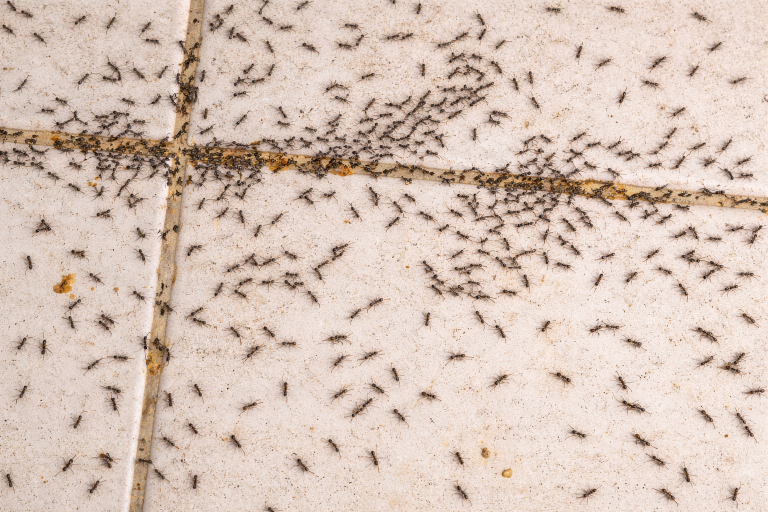
One of the reasons spring ant infestations escalate quickly is pheromone trails. When a worker ant finds food, it leaves a chemical trail that other ants follow. This is why ants often appear in straight lines moving between an entry point and a food source. Wiping away visible ants does not remove the scent trail, which allows more ants to continue entering. Without proper treatment, these trails can remain active for weeks.
Spring Is When Ant Colonies Expand
Spring is a growth period for ant colonies. Queens increase egg production, and colonies expand rapidly. This increased demand for food pushes ants to search aggressively.
Some species, such as carpenter ants, may also establish satellite nests inside walls, cabinets, or under floors while maintaining a main nest outdoors. Kitchens are often near plumbing lines, making them prime locations for secondary nests.
Why Ants Return to the Same Kitchen Every Year
Many homeowners experience spring ants in the same spots year after year. This happens because the underlying causes are never fully addressed. Temporary solutions may reduce activity but rarely eliminate the colony.
Ants remember successful food locations. If entry points remain open and scent trails persist, colonies will continue returning each spring. Common reasons ants return include unsealed cracks and gaps around foundations, persistent moisture issues, or outdoor nests that were left intact.
Common Entry Points Ants Use to Reach Kitchens
Ants can enter through extremely small openings. Because ants are small and persistent, even tiny gaps can become major highways into your home.
Some of the most common kitchen-related entry points include:
- Gaps around window frames
- Openings where plumbing enters walls
- Cracks in foundation walls
- Door thresholds and weather stripping
- Electrical outlets on exterior walls
Carpenter Ants vs. Pavement Ants in Spring
Not all ants in the kitchen are the same, and identifying the species matters. A professional inspection helps determine which species you’re dealing with and how serious the problem may be.
Pavement Ants
These are among the most common spring invaders. They are attracted to crumbs, grease, and sugar and often nest under concrete slabs and foundations.
Carpenter Ants
Carpenter ants are larger and more concerning. While they do not eat wood, they excavate it to build nests. Seeing carpenter ants in the kitchen may indicate moisture issues or nesting inside structural wood.
Why Sprays and Store-Bought Solutions Often Fail
Many homeowners attempt to control spring ants with sprays or bait stations from hardware stores. While these products may kill visible ants, they rarely eliminate the colony. In some cases, improper bait use can actually split colonies, making the problem worse.
Problems with DIY solutions include:
- Killing only worker ants
- Failing to reach the nest or queen
- Not addressing entry points
- Leaving scent trails intact
The Importance of Treating the Source, Not Just the Ants You See
Effective ant control focuses on the colony, not the individuals. Professional treatments target both interior activity and exterior nesting areas to stop ants at the source.
This means identifying:
- Where ants are entering
- Where they are nesting
- What is attracting them
Preventative Steps Homeowners Can Take in Spring
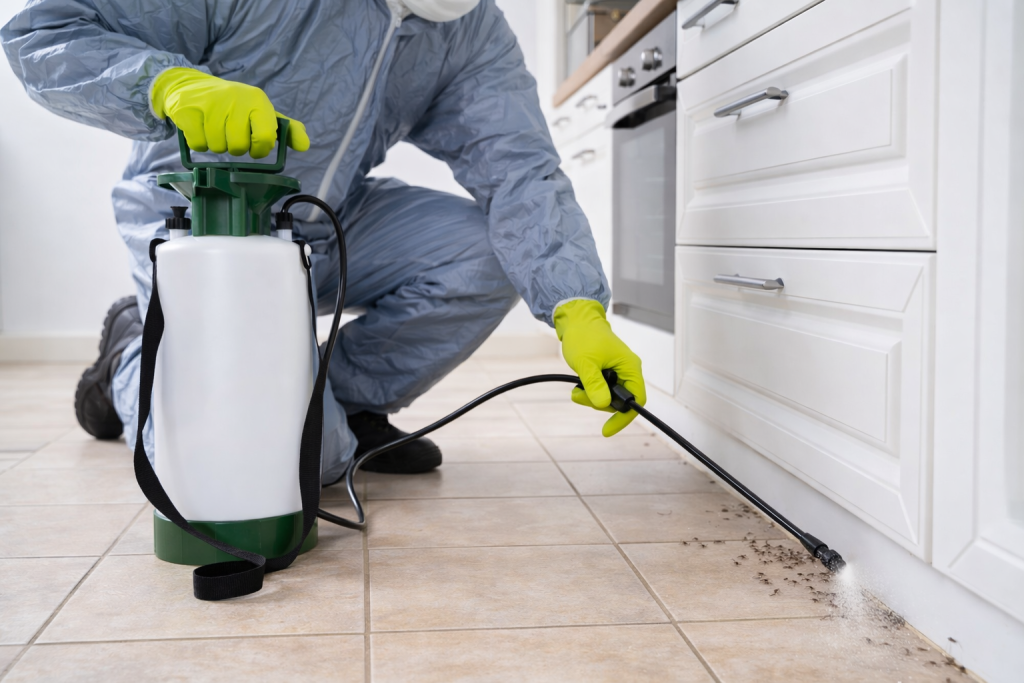
While professional treatment is often necessary, homeowners can reduce ant pressure by:
- Wiping counters with vinegar or mild cleaners
- Sealing food in airtight containers
- Taking garbage out regularly
- Fixing leaks under sinks
- Sealing visible cracks and gaps
These steps help but may not fully resolve an established infestation.
Why Spring Is the Best Time to Address Ant Problems
Spring is the most effective time to deal with ants because colonies are actively foraging and expanding. Waiting often allows the colony to grow stronger and harder to eliminate.
Addressing the problem early prevents:
- Large summer infestations
- Satellite nests forming indoors
- Repeated annual issues
Professional Ant Control Provides Long-Term Results
This approach provides longer-lasting results than surface-level treatments. Professional ant treatment includes:
- Species identification
- Entry point detection
- Targeted interior and exterior treatment
- Colony elimination strategies
- Recommendations for prevention
Don’t Let Ants Take Over Your Kitchen This Spring
Seeing ants in the kitchen every spring is a sign of an underlying issue, not bad luck. Ants are following food, moisture, and access points that make your home an easy target.
If ants keep returning or the problem seems to worsen each year, Elite Pest and Wildlife Removal can help. Our team specializes in professional ant control solutions designed to eliminate colonies and prevent re-infestation in Hamilton homes. Book a treatment with Elite Pest and Wildlife today and enjoy a spring without ants in your kitchen.