
admin · March 2, 2026
Rat infestations are an increasingly common problem in downtown Hamilton. Older buildings, dense housing, ongoing construction, and aging infrastructure all contribute to ideal conditions for rats to thrive. Unlike mice, rats are larger, more destructive, and pose serious health and safety risks when they move into residential or commercial properties.
Many property owners don’t realize they have a rat infestation until the problem is well established. Rats are excellent at hiding, mostly active at night, and capable of nesting deep inside walls, basements, and utility spaces. Knowing how to identify the early warning signs can make the difference between a manageable issue and a costly, ongoing infestation.
This guide breaks down the most common signs of rat activity in downtown Hamilton properties and explains why early detection is critical.
Why Rat Infestations Are Common in Downtown Hamilton
Downtown Hamilton has unique characteristics that make it particularly attractive to rats. Older brick buildings, shared walls, aging sewer systems, and constant food availability all play a role.
Many downtown properties were built decades ago, long before modern pest-proofing standards. Over time, foundations crack, mortar deteriorates, and gaps form around pipes and utilities. These openings give rats easy access to basements, crawl spaces, and wall voids.
In addition, restaurants, garbage collection areas, and high population density provide consistent food sources. Construction and roadwork further disrupt rat burrows, forcing them to relocate into nearby buildings.

Seeing a Rat During the Day
One of the clearest indicators of a rat infestation is seeing a rat during daylight hours.
Rats are primarily nocturnal. They prefer to stay hidden and move under cover of darkness. When rats are active during the day, it often means their population has grown too large to stay concealed.
If you spot a rat during the day, especially indoors or near garbage areas, the problem is already advanced.
Daytime sightings usually indicate:
- A well-established infestation
- Competition for food and shelter
- Limited nesting space
Rat Droppings in Basements and Storage Areas
Rat droppings are larger than mouse droppings and are often found in clusters.
What Rat Droppings Look Like
- Dark brown or black
- About the size of a raisin
- Blunt or capsule-shaped
Fresh droppings appear shiny and moist, while older droppings are dull and crumbly. Finding fresh droppings is a sign of active infestation.
Common locations include:
- Basements
- Storage rooms
- Utility closets
- Behind appliances
- Near garbage areas
Scratching, Thumping, and Gnawing Noises
Noise is another major warning sign, especially in older downtown buildings. Rats are heavier than mice, so the sounds they make are louder and more noticeable. Noise is often more noticeable late at night when the building is quiet. Persistent sounds usually mean rats are nesting nearby.
You may hear:
- Scratching inside walls
- Thumping or movement in ceilings
- Gnawing sounds at night
- Activity near pipes or floor joists
Grease Marks and Rub Marks Along Walls
Rats use the same travel routes repeatedly. As they move along walls and baseboards, the oils and dirt in their fur leave dark smudge marks. In downtown Hamilton properties with unfinished basements or shared utility areas, these marks are a strong indicator of regular rat activity.
These grease marks are commonly found:
- Along baseboards
- Near entry points
- Around pipes
- In narrow passageways
Chewed Wires, Wood, and Building Materials
Rats constantly gnaw to keep their teeth worn down. This behavior causes serious structural and safety issues. Chewed wiring is especially dangerous, as it increases the risk of electrical fires. In multi-unit buildings, this risk extends beyond a single unit.
Signs of gnawing include:
- Chewed electrical wiring
- Damaged wooden beams or trim
- Holes in drywall or insulation
- Chewed plastic pipes or containers
Strong, Unpleasant Odours
Rat infestations often come with noticeable smells. In downtown properties with shared ventilation or older construction, these odours can spread between units, making the problem harder to pinpoint without a professional inspection.
Common odours include:
- Ammonia-like urine smell
- Musty or oily odours
- Decaying smells if rats die inside walls
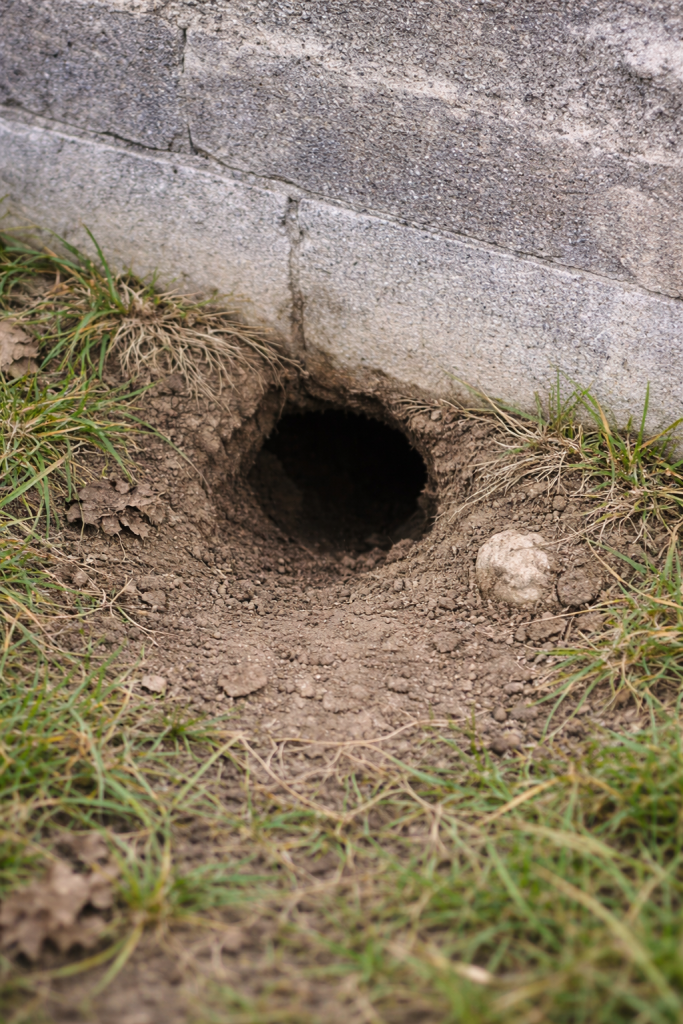
Burrows Near Foundations and Garbage Areas
Rats often nest underground and travel between burrows and buildings. Downtown alleys, courtyards, and parking areas are common burrowing locations. These outdoor nests often connect directly to interior spaces through foundation gaps.
Look for:
- Holes near foundations
- Burrows around garbage bins
- Disturbed soil near walls
- Openings under concrete slabs or steps
Pets Acting Unusually
Pets often detect rats before humans do. If your pet is fixated on a particular spot, it may indicate rat activity behind walls or under floors.
Signs include:
- Dogs barking or pawing at walls
- Cats staring at specific areas
- Pets tracking movement along baseboards
Increased Activity Around Garbage and Dumpsters
Rats are drawn to food sources. In downtown Hamilton, garbage storage areas are a major attractant. Poorly managed waste can quickly turn a minor issue into a building-wide infestation.
Warning signs include:
- Scattered garbage
- Chewed bags or bins
- Rats seen near dumpsters
- Activity around food storage areas
Why Rat Infestations Spread Quickly in Downtown Properties
Rats reproduce rapidly. A single breeding pair can produce dozens of offspring in a year. In connected buildings, rats move easily between units through walls, ceilings, and utility lines.
Shared foundations, older sewer connections, and open chases allow infestations to spread without being immediately visible. This is why early identification is so important in downtown properties.
Health and Safety Risks of Rats
Rats are more than just a nuisance. In multi-unit buildings, these risks affect tenants, staff, and visitors alike.
They can:
- Spread bacteria through droppings and urine
- Carry parasites such as fleas and mites
- Trigger allergies and respiratory issues
- Contaminate food and surfaces
- Cause fire hazards through gnawing
Why DIY Rat Control Rarely Works
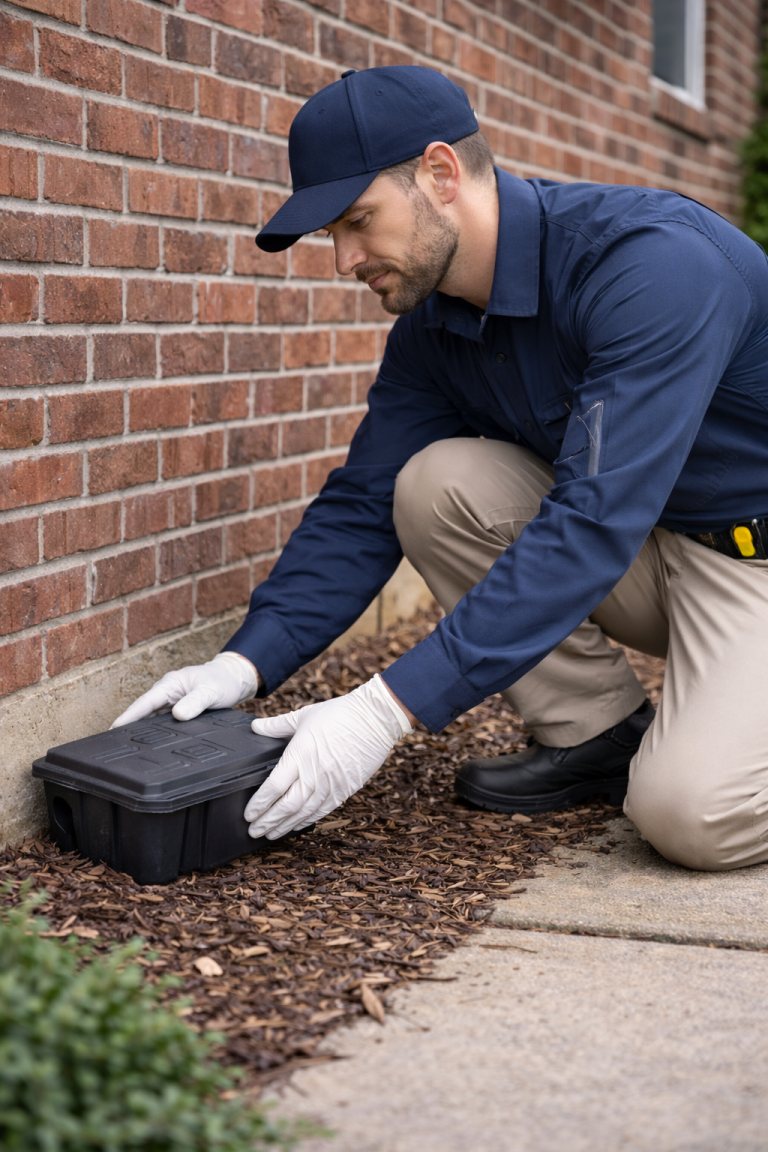
Many property owners try traps or poison, but these methods rarely solve the underlying issue. Without sealing entry points and addressing nesting areas, rats continue to return.
Common problems include:
- Rats dying inside walls
- New rats entering through existing gaps
- Incomplete elimination
- Safety risks to pets and people
The Importance of Professional Treatment
This information is essential for effective, long-term control. Professional rat treatment identifies important information such as entry points, nesting locations, travel routes, contributing conditions, and the extent of the infestation
Take Action Before the Problem Gets Worse
Rat infestations in downtown Hamilton do not resolve on their own. The longer rats remain, the more damage they cause and the harder they are to eliminate. Early identification and professional treatment protect your property, your health, and your peace of mind.
If you suspect rat activity in your home, rental property, or commercial building, Elite Pest and Wildlife Removal is here to help. Our team specializes in identifying entry points and treating rat infestations in downtown Hamilton properties, using proven methods. Book your treatment with Elite Pest and Wildlife Removal today and stop rat problems before they spread further.