
admin · April 20, 2026
Spiders are one of the most common pests homeowners in Hamilton report seeing in basements and garages. While many spiders are harmless, large numbers of webs, frequent sightings, and egg sacs can quickly turn a minor issue into a full infestation. Basements and garages provide the exact conditions spiders prefer: darkness, moisture, low foot traffic, and a steady supply of insects to feed on.
For many Hamilton homeowners, spider problems become especially noticeable in fall and winter, when spiders move indoors seeking warmth and shelter. Others see activity year-round due to moisture issues, clutter, and insect infestations. Understanding why spiders gather in these areas, what attracts them, and how to control them effectively is the key to keeping your home comfortable and pest-free.
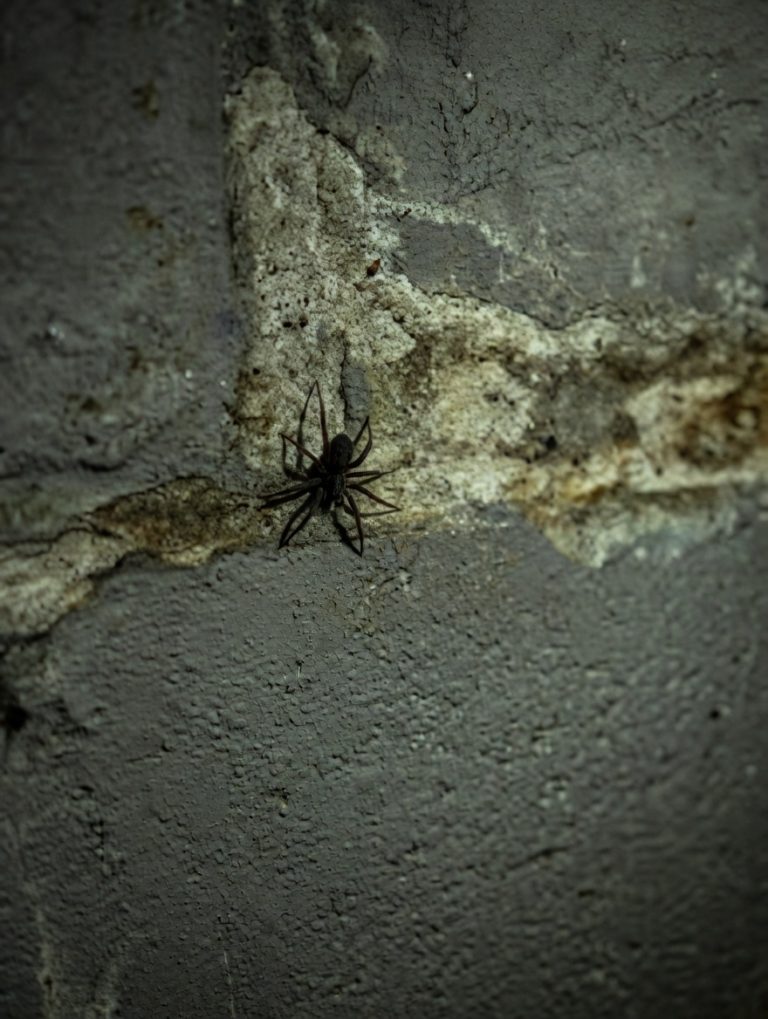
Why Basements and Garages Attract Spiders
Spiders are not randomly choosing basements and garages. These areas meet their basic survival needs.
Low Disturbance
Basements and garages are often used less frequently than main living areas. This gives spiders time to build webs, lay eggs, and hunt without interruption.
Moisture
Hamilton’s climate, older foundations, and seasonal humidity create damp conditions in many basements. Moisture attracts insects, and insects attract spiders.
Insect Activity
Spiders go where their food is. Basements and garages often host flies, ants, silverfish, centipedes, and other insects, making them prime hunting grounds.
Clutter and Storage
Stored boxes, furniture, tools, and seasonal items provide hiding places for spiders and support web building.
Common Spider Species Found in Hamilton Homes
Several spider species are commonly found in Hamilton basements and garages.
House Spiders
These are the most frequent indoor spiders. They build webs in corners, ceiling joints, and around storage areas.
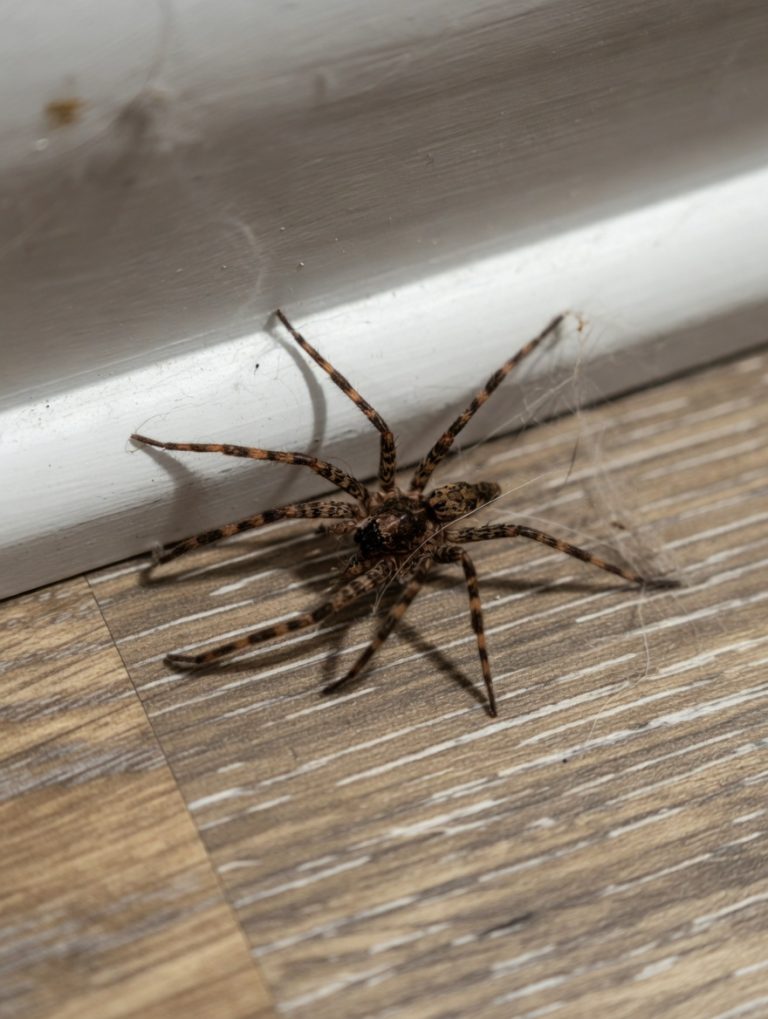
Wolf Spiders
Wolf spiders do not build webs. They are fast-moving hunters and often seen running across floors. Their size can be alarming, even though they are not aggressive.
Cellar Spiders
Often called daddy long legs, these spiders thrive in damp basements and crawl spaces. They build messy webs near ceilings and light fixtures.
Jumping Spiders
These small, active spiders are often seen near windows and doors, including garage entrances.
False Widows and Cobweb Spiders
These species build irregular webs in dark corners, behind furniture, and near ceilings.
Why Spider Infestations Are More Than a Nuisance
While most spiders in Hamilton are not dangerous, infestations should not be ignored.
Constant Web Buildup
Heavy webbing quickly makes basements and garages look dirty and neglected. Webs also trap dust, debris, and insects.
Egg Sacs and Reproduction
Spiders reproduce quickly. A single egg sac can contain dozens or even hundreds of spiderlings. Without control, infestations multiply fast.
Increased Insect Activity
Spiders indicate other pest problems. If spiders are thriving, insects are present in large numbers.
Psychological Discomfort
Many people are uncomfortable around spiders. Large numbers of spiders in living spaces cause stress and avoidance of affected areas.
Why Hamilton Homes See Higher Spider Activity
Several local factors contribute to spider problems in Hamilton.
Older Homes and Foundations
Cracked foundations, aging masonry, and deteriorating window wells create entry points.
Ravines, Green Spaces, and the Escarpment
Hamilton’s natural landscape supports a wide range of insects and spiders, increasing outdoor populations that move indoors.
Seasonal Temperature Changes
As temperatures drop in fall, spiders move inside for warmth. In spring, they become active again and spread throughout the home.
Basement Moisture Issues
Many Hamilton basements experience dampness, leaks, or condensation, which supports insect life.
Signs of a Spider Infestation
Occasional spiders are normal. An infestation shows different patterns.
Common Signs
- Multiple spiders seen daily or weekly
- Heavy webbing in corners, ceiling joints, and storage areas
- Egg sacs attached to walls or webs
- Spiders appearing in multiple rooms
- Increased insect activity
- Webs reappearing quickly after cleaning
When spiders return rapidly after removal, it indicates an ongoing problem.
Why DIY Spider Control Often Fails
Many homeowners try to manage spider problems with sprays, sticky traps, or regular cleaning. While these steps help temporarily, they rarely solve the root issue.
Surface Sprays
Sprays kill visible spiders but do not address nesting sites or insect prey.
Vacuuming and Web Removal
This removes webs and spiders but does not prevent new ones from forming.
Traps
Sticky traps catch some spiders but do not stop infestations.
Repellents
Most repellents have limited effect and wear off quickly. Without reducing insect populations and sealing entry points, spiders will continue to return.
The Role of Moisture in Spider Infestations
Moisture is one of the biggest contributors to spider problems.
Basement Dampness
Leaky foundations, poor drainage, and condensation create humid conditions that attract insects.
Garages With Poor Ventilation
Garages often trap humidity, especially when vehicles bring in moisture during winter.
Plumbing Leaks
Dripping pipes under sinks or near water heaters provide water sources for insects. Reducing moisture reduces insect activity, which reduces spiders.
How Clutter Supports Spider Infestations
Spiders need structure to build webs and hide.
Storage Areas
Boxes, shelving, and stacked items create ideal web-building locations.
Unused Items
Old furniture, seasonal decorations, and unused tools become nesting areas.
Garage Corners and Rafters
These undisturbed spaces allow spiders to multiply unnoticed.
Reducing clutter removes shelter and makes treatment more effective.
Professional Spider Control: What It Involves
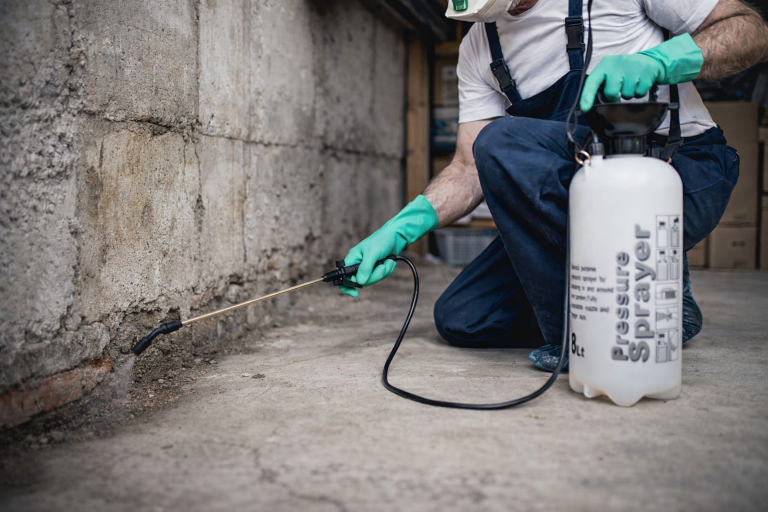
Professional spider control focuses on both spiders and the conditions that support them.
Inspection
A technician identifies:
- Spider species present
- Nesting and web locations
- Insect activity
- Entry points
- Moisture issues
Targeted Treatment
Treatments are applied where spiders live and travel, including:
- Baseboards
- Corners and ceiling joints
- Window wells
- Storage areas
- Garage walls and rafters
This avoids unnecessary spraying and improves safety.
Insect Control
Reducing insects removes spiders’ food source, which is critical for long-term results.
Exclusion
Sealing cracks, gaps, and openings prevents new spiders from entering.
Preventing Spider Infestations in Basements and Garages
Long-term control requires ongoing prevention.
Seal Entry Points
Caulk cracks, repair screens, and seal gaps around doors, windows, and utility lines.
Reduce Moisture
Fix leaks, use dehumidifiers, and improve ventilation.
Declutter
Organize storage areas and remove unused items.
Improve Lighting
Spiders prefer dark areas. Better lighting discourages activity.
Maintain Exterior
Trim vegetation, remove debris near the foundation, and keep window wells clean.
How spider activity changes through the year
In spring and summer, more insects means more spiders moving indoors to follow them. In fall, spiders head inside looking for warmth and shelter before winter. Through the winter they stay active in quiet spots such as utility rooms, basements and garages. Knowing these patterns helps you clean up, seal gaps and book a treatment before activity peaks.
Ground spiders are also common on basement floors. They move quickly when disturbed and hide in debris and around utility areas, so keeping floors clear and storage in sealed plastic bins makes a real difference.
Why Spiders Often Return Without Professional Help
Spiders are resilient. If conditions remain favourable, new spiders will replace those removed.
Egg Sacs Remain Hidden
Egg sacs hatch weeks later, restarting the problem.
Insects Continue Entering
If insects are not controlled, spiders follow.
Seasonal Migration
Spiders move indoors every fall. Without prevention, infestations repeat annually. Professional treatment breaks this cycle.
When to Seek Professional Treatment
Early intervention prevents larger infestations and reduces long-term cost. You should consider professional spider control if:
- Spiders are seen daily
- Webs return quickly after cleaning
- Egg sacs are present
- Spiders appear in multiple areas
- Basements or garages are avoided due to spiders
- Insects are also a problem
Say Goodbye to Spiders and Take Back Your Space
Spiders don’t have to take over your basement or garage. If webs, egg sacs, and constant sightings are becoming the norm, it’s time to tackle the problem at the source. Professional spider control not only removes existing spiders but addresses the conditions that allow them to thrive.
Elite Pest and Wildlife Removal is ready to help you get rid of spiders around your home. Schedule you spider treatment today to eliminate infestations, reduce insect activity, and keep your Hamilton basement and garage spider-free for good.