Skip to content
Raccoon Removal Services
Proudly serving: Hamilton, Burlington, Oakville, Kitchener, Waterloo, Guelph & Niagara
Raccoon problems are common throughout Ontario, where attics and roof spaces provide warm, protected shelter, particularly during breeding and baby season. Finding a raccoon living in your attic, roof, soffit, or another part of your home can be concerning, but the problem can be resolved using professional, humane removal methods.
Raccoon removal involves identifying where the animal is entering, safely encouraging it to leave, and securing vulnerable areas to help prevent it from returning. Raccoons should be addressed quickly because they can damage soffits, roof vents, insulation, and other building materials while creating noise, droppings, and contamination inside the home.
Our wildlife technicians are experienced in looking for entry points and signs of activity before determining an appropriate removal plan. Exclusion work is our primary method of removal, which involves installing a one-way door that allows the raccoon to exit while preventing it from getting back inside. Once the animals have safely left, entry points can be properly secured to help keep raccoons out of the home.
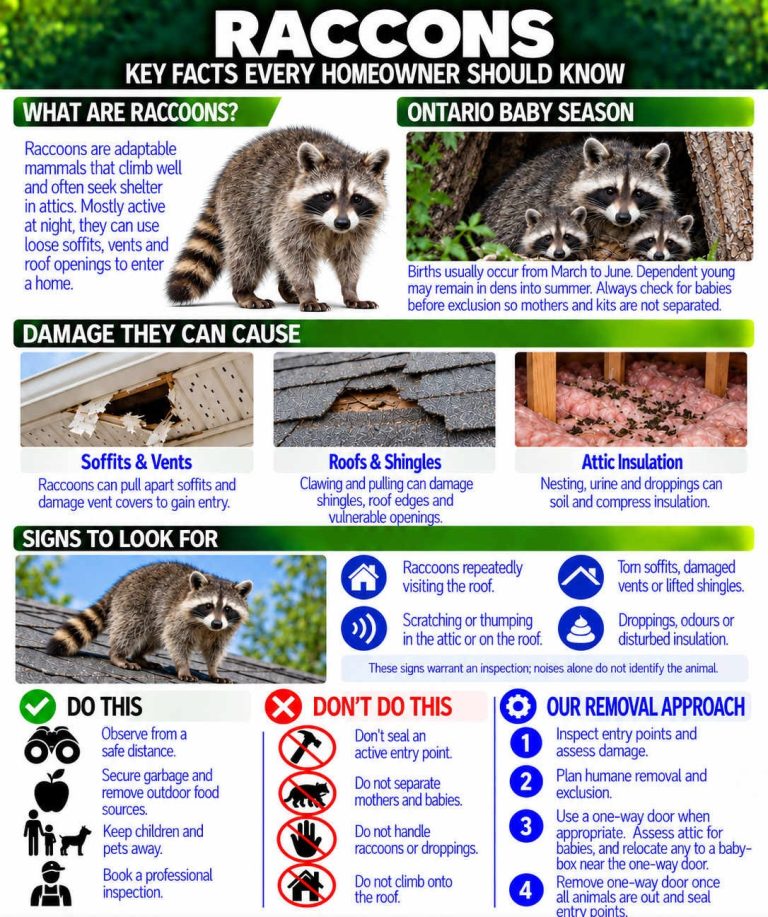
Signs of Raccoon Activity
- Loud scratching, thumping, or movement coming from the attic, walls, or roof, especially at night.
- Damaged soffits, roof vents, fascia, or shingles.
- Raccoon droppings on the roof, deck, attic, or around the property.
- Regular raccoon sightings around the property, particularly near the roof, deck, or shed.
- Strong odours coming from an attic or enclosed area.
- Nesting material or disturbed insulation inside an attic.
Raccoons can cause significant problems once they decide to use a home for shelter. Their strength and climbing ability allow them to pull apart soffits, damage roof vents, disturb shingles, and force their way through weak areas along the roofline.
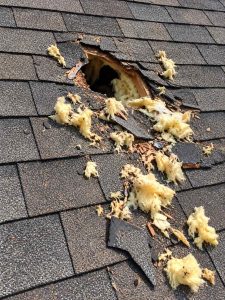
After gaining access, a raccoon may create a den in the attic, compress or tear insulation, damage surrounding materials, and contaminate the space with urine and droppings. This is especially important during Ontario’s spring months, when female raccoons frequently look for quiet, protected places to raise their young.
The longer an entry point remains accessible, the greater the opportunity for repeated activity and additional damage. Humane raccoon removal combined with professional exclusion work addresses the source of the problem by getting the animals out safely and securing vulnerable areas against future entry.
What can you expect from our Raccoon Removal services?
Our raccoon removal services focus on solving the problem humanely while addressing how the animals are getting into your home. Our experienced, licensed technicians begin by assessing the property for raccoon activity, damage, and potential entry points around the roof, soffits, vents, and other vulnerable areas. We specialize in exclusion work using one-way doors, which allow raccoons to safely leave the structure while preventing them from getting back inside.
Once we have confirmed the animals are gone, the entry point can be permanently sealed using durable, animal-resistant materials designed to withstand future wildlife activity. Rather than relying on trapping as the primary solution, our approach addresses the access point itself, helping provide more effective long-term protection. Sealed areas are backed by a warranty, giving homeowners added confidence that the completed exclusion work is built to keep raccoons out.
Our raccoon removal services include:
- Exterior inspection
- Entry point screening and sealing
- Humane removal options
- 5 year warranty
Why Choose us for Raccoon Removal?
Getting a raccoon out is only part of the job. With experience working on Ontario homes, we know raccoons frequently take advantage of loose soffits, damaged vents, roof edges, and other weak points.
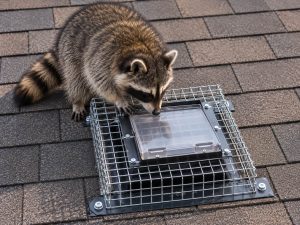
Our licensed technicians look closely at how the animal gained access and what needs to be done to keep it from returning. Our approach centres on humane one-way door systems, followed by sealing the confirmed entry point with durable, wildlife-resistant materials once the animals have left.
We can also identify other vulnerable areas worth addressing before they become future entry points, and our warranty on completed exclusion work provides added protection after the service is finished.
- Humane Removal Methods
- Licensed and Insured Technicians
- 100% Customer Satisfaction
- Reliable and Long Lasting Results
Get A Free Estimate
Wildlife Services:
Pest Services:
Frequently Asked Questions:
Common signs of raccoon activity include heavy scratching, thumping, or movement noises coming from the attic or roof, particularly at night. Homeowners may also notice raccoons frequently travelling across the roof, damaged soffits or roof vents, torn shingles, enlarged openings along the roofline, disturbed attic insulation, or droppings. Seeing a raccoon repeatedly entering or leaving the same opening is a strong indication that it may be using the attic or another part of the home as a den.
Raccoon exclusion focuses on allowing the animal to leave the structure while preventing it from getting back inside. After locating the primary entry point, our technician can install a one-way door over the opening. The raccoon can exit through the device but cannot use the same opening to return. Once we have confirmed the animals are gone, the one-way door is removed and the entry point is permanently sealed with durable, wildlife-resistant materials.
A one-way door is a wildlife exclusion device installed over an active entry point. It is designed so a raccoon can push through the device to exit but cannot easily travel back through it to re-enter the structure. Once activity has stopped and the raccoons are confirmed to be out, the device can be removed and the opening sealed.
Yes, our sealed areas are backed by a 5 year warranty according to the terms of the completed work. The warranty applies to the areas we have professionally secured, rather than guaranteeing that wildlife cannot access an unrelated or untreated portion of the building.
Our technicians will check inside the attic for baby raccoons when exclusion work is being completed. During the exclusion service, the technician can assess the attic when it is safely accessible and look for a nest or other evidence of dependent young. This allows the technician to adjust the removal process if babies are discovered.
Exclusion may also be suitable for raccoons sheltering beneath a deck or shed. The technician checks the den, assesses whether babies are present, and determines how to provide an exit while protecting the surrounding openings. The work required depends on the structure and ground conditions.
Baby raccoons require special consideration because they may not yet be able to follow their mother through a one-way door. Our technician will assess the situation before proceeding with exclusion. The removal method may need to be adjusted so the family is handled humanely and dependent young are not accidentally trapped inside the structure.
Our primary approach is humane exclusion rather than trapping. Trapping may be considered in certain situations, but it is generally used as a secondary option when appropriate. Our technicians first assess the property, the location of the animal, and the entry point to determine the safest and most practical removal method.
Trapping depends on the behaviour of a wild animal, so there is no way to guarantee that a specific skunk will enter a trap. Weather, food availability, movement patterns, nearby den sites, and other animals can all influence whether a trap is approached. There is also a possibility of capturing a non-target animal. For these reasons, trapping cannot carry the same certainty as physically excluding access to a known denning area.
Raccoons may continue to visit the property after removal. Properly completed exclusion helps prevent access through protected openings, but new damage elsewhere can create another entry point. Contact us if you notice fresh roofline damage or renewed attic activity.
These methods can temporarily make the animal leave, but they do not repair the opening raccoons use to enter your home. Even if activity decreases temporarily, the attic may remain accessible. Exclusion combines removal with entry-point protection to address the underlying problem.
Keep soffits, fascia, roof vents, and roof edges in good repair. Secure garbage and compost containers, avoid leaving pet food outside, and address new damage promptly. Professional screening can help protect vulnerable openings identified during an inspection.