
admin · January 30, 2026
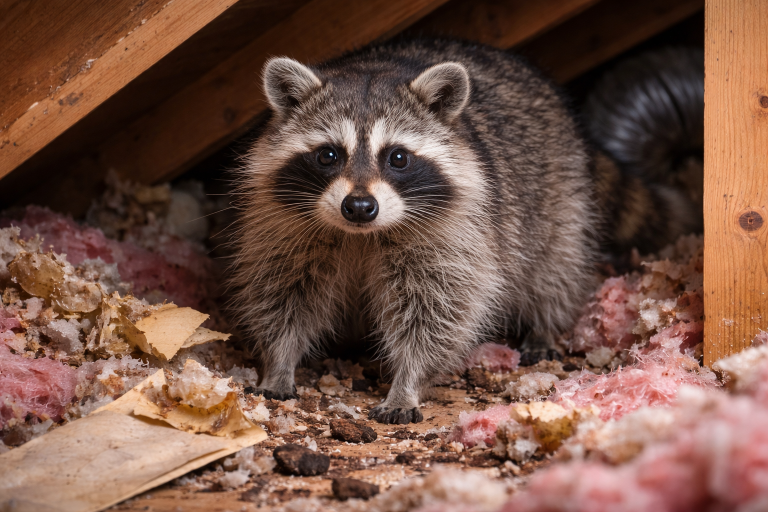
Hearing heavy footsteps, thumping, or growling above your ceiling is often the first sign that a raccoon has taken up residence in your attic. Raccoons are one of the most common wildlife intruders in Hamilton homes, especially in neighbourhoods with mature trees, older rooflines, and easy access points. Once inside, they can cause extensive damage, create strong odours, and pose health risks.
Raccoon removal is not a do-it-yourself project. These animals are strong, intelligent, protective of their young, and capable of causing serious damage if handled incorrectly. Humane removal is the safest and most effective way to resolve the issue while protecting both your home and the animal. Understanding how professional raccoon removal works helps homeowners know what to expect and why each step is important.
Why Raccoons Choose Attics
Raccoons are opportunistic animals. They look for locations that offer warmth, safety, and easy access.
Warmth
Heat from the home rises into the attic, making it one of the warmest areas in the house.
Safety
Attics are quiet, dark, and rarely disturbed. This makes them ideal denning areas.
Protection from Weather
Rain, snow, wind, and predators are blocked by the structure of the home.
Easy Access
Rooflines, overhanging branches, chimneys, soffits, and vents often provide easy entry points. Once a raccoon finds a suitable attic, it may return year after year.
Common Signs of Raccoons in the Attic
Raccoons are larger than most attic pests, so their presence is usually noticeable. If you are hearing loud noises at night, raccoons are a strong possibility.
Typical Signs Include
- Heavy walking or stomping sounds
- Loud scratching or thumping
- Growling, chattering, or squeaking
- Noises that move from one area to another
- Visible damage to soffits, fascia, or roof vents
- Strong odours
- Droppings near attic access points
- Insulation scattered or compacted
Why Humane Removal Is Essential
Raccoons are protected wildlife in many areas and must be handled properly.
Legal Considerations
There are regulations regarding how raccoons can be removed, especially during baby season. Improper removal can result in fines or legal issues.
Animal Welfare
Humane removal prevents unnecessary suffering and ensures animals are not injured or separated from dependent young.
Safety
Raccoons can bite or scratch when threatened. Humane methods reduce the risk of injury to homeowners and technicians.
Why DIY Raccoon Removal Is Dangerous
Some homeowners attempt to block holes, scare animals out, or use traps. These methods often create bigger problems.
Sealing Entry Points While Raccoons Are Inside
This traps the raccoon in the attic, leading to frantic damage, loud noise, and possible death inside the structure.
Scaring Them Out
Raccoons are persistent and often return through the same or new openings.
Improper Trapping
Trapping can separate mothers from babies, leaving young animals to die in the attic and creating odour and sanitation issues.
Physical Risk
Raccoons can be aggressive if cornered, especially when protecting young. Professional removal avoids these risks.
Professional Inspection
Every humane raccoon removal begins with a detailed inspection.
Exterior Inspection
The technician examines the roofline, soffits, fascia, vents, chimneys, and any areas where the structure meets trees or fences. Entry points are identified and documented.
Interior Attic Inspection
This step is critical because the presence of babies changes the removal process. Inside the attic, the technician looks for:
- Nesting areas
- Droppings and urine stains
- Trails in insulation
- Damage to wood and wiring
- Signs of babies
Why Baby Season Matters
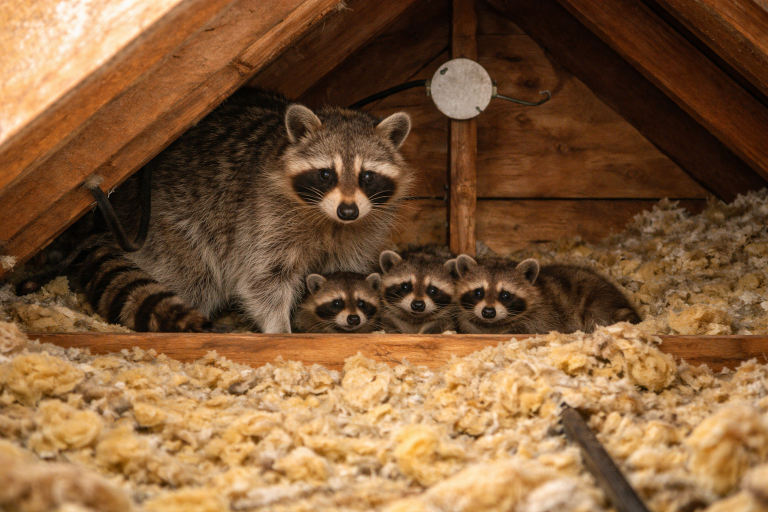
Raccoons typically have babies in late winter through spring. If babies are present the removal process must be handled carefully. Mothers will not leave if their young are inside. In these cases, babies may need to be safely removed and reunited with the mother outside so she can relocate them. Attempting to remove the mother without addressing babies leads to severe damage as she tries to get back in.
Creating an Exit Strategy
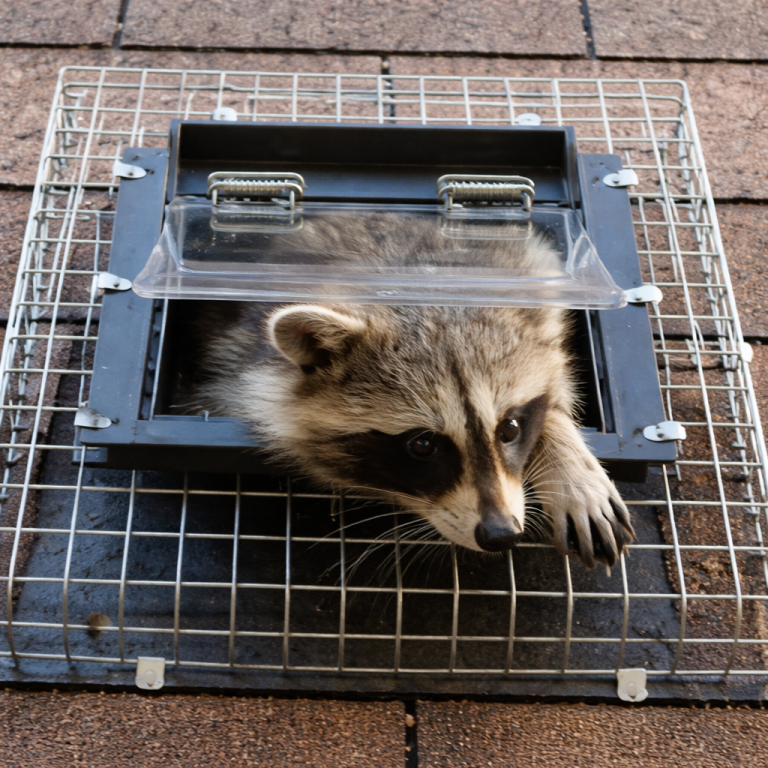
Humane raccoon removal focuses on exclusion rather than trapping. A one-way door is installed over the main entry point. This allows the raccoon to leave but prevents re-entry. The door is positioned so the animal naturally exits during its normal routine. Raccoons usually leave at night to forage. Once outside, they are unable to return. This method avoids stress, injury, and relocation issues.
Monitoring Activity
After the door is installed, activity is monitored. This ensures the raccoon has fully exited before repairs begin.
What Professionals Watch For
- Reduction in noise
- Tracks or signs of exit
- No signs of re-entry attempts
- Continued absence of activity
Sealing Entry Points
Once the raccoon is confirmed to be out, all entry points are sealed. Materials used are durable and wildlife-resistant to prevent chewing or prying. This step is essential. Without it, new raccoons or other wildlife will move in.
Common Areas Sealed
- Torn soffits
- Damaged roof vents
- Gaps in fascia
- Openings along rooflines
- Chimney areas
- Construction gaps
Repairing Damage
Raccoons cause significant structural damage. Proper repairs restore the home’s integrity and appearance.
Typical Repairs Include
- Replacing torn soffits
- Repairing fascia boards
- Fixing roof vents
- Securing shingles
- Reinforcing weak areas
Removing Nesting Material
Raccoons bring in leaves, insulation, and debris to build nests. Leaving nesting material behind can attract other pests and create lingering smells.
Why Nest Removal Matters
- Reduces odours
- Removes parasites and bacteria
- Improves air quality
- Discourages other animals
Sanitization and Decontamination
Raccoon waste can carry bacteria, parasites, and pathogens. This step protects the health of occupants and improves indoor air quality.
Professional Sanitization May Include
- Treating contaminated insulation
- Applying disinfectants
- Neutralizing odours
- Removing heavily soiled material
Preventative Reinforcement
Humane removal is only successful when prevention is included. Raccoons are persistent. Prevention stops repeat problems.
Preventative Measures May Include
- Reinforcing vulnerable rooflines
- Installing vent covers
- Securing chimney caps
- Trimming branches away from the roof
- Sealing secondary gaps
Why Raccoons Return to the Same Homes
Raccoons remember safe den sites.
Scent Trails
They leave scent markers that attract others.
Successful Past Nests
If a raccoon raised young successfully in an attic, it will try to return the following year.
Structural Weakness
Once a home has been breached, it is easier to access again. This is why professional repair and reinforcement are critical.
Health Risks of Raccoons in the Attic
Raccoons are not just noisy. They pose real risks.
Parasites
Raccoon fleas, ticks, and mites can spread throughout the home.
Bacteria
Droppings and urine can carry bacteria that become airborne.
Odours
Strong odours develop from waste and nesting material.
Damage
Raccoons tear insulation, chew wood, and damage wiring.
How Long Does Raccoon Removal Take
The timeline of removal varies. Some removals are resolved in days. Others, especially during baby season, take longer to ensure humane handling.
Factors That Affect Timing
- Whether babies are present
- How long the raccoon has been inside
- The number of entry points
- Weather conditions
Why Professional Removal Is Worth It
Professional raccoon removal protects:
- Your home’s structure
- Your family’s health
- The animal’s safety
- Your long-term peace of mind
- Prevents repeat infestations and avoids costly repairs later.
Signs That Raccoon Activity Is Getting Worse
These signs mean immediate action is needed:
- Noises becoming louder or more frequent
- Damage spreading along the roofline
- Stronger odours
- Babies being heard
- Insulation visible outside
When to Call for Professional Raccoon Removal
Early intervention prevents larger repairs and higher costs. You should contact a professional if:
- You hear heavy noises in the attic
- You see damage to soffits or roof vents
- You suspect babies are present
- The problem has persisted for more than a few days
- DIY attempts have failed
Protect Your Home and Resolve the Problem the Right Way
Raccoons do not leave on their own, and the longer they remain, the more damage they cause. Humane removal ensures the animals are safely excluded while protecting your home from future entry. Proper inspection, one-way door installation, repairs, and prevention are the only way to fully resolve the issue. If you’re hearing noises in your attic or seeing damage on your roofline, it’s time to take action. Book professional raccoon removal with Elite Pest and Wildlife Removal today and let our experienced team safely remove the raccoons, repair the damage, and secure your home for the long term.