
admin · June 15, 2026
Garbage is one of the most powerful pest attractants in any neighbourhood. In Hamilton, where residential density, older infrastructure, multi-unit rentals, and ongoing construction are common, improper garbage storage can quickly turn into a serious pest issue. From rodents and raccoons to cockroaches, ants, and flies, pests are experts at locating easy food sources. Once they find them, they rarely leave on their own.
Many homeowners and landlords focus on sealing entry points or setting traps when pests appear, but the real problem often starts outside. Overflowing bins, torn garbage bags, open compost containers, and poorly maintained waste areas act like beacons for pests. Understanding how garbage storage contributes to infestations is essential for protecting your home, rental property, and surrounding community.
Why Garbage Is So Attractive to Pests
Pests are driven by three basic needs: food, water, and shelter. Garbage provides all three. Leftover food scraps, packaging residue, pet food containers, and organic waste all provide a steady food source. Even small crumbs or spills inside garbage bins are enough to sustain pests. Leaking bags, food waste, and condensation inside bins create moisture that insects and rodents need to survive.
Garbage areas often provide cover from predators and weather. Dumpsters, sheds, and bin enclosures offer hiding spots where pests can nest undisturbed.
Common Pests Linked to Poor Garbage Storage in Hamilton
Several pests are especially attracted to garbage and waste areas.
Raccoons
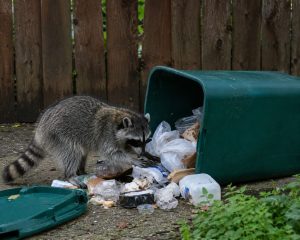
Raccoons are one of the most common garbage-related pests in Hamilton. They are intelligent, persistent, and strong enough to tip bins, pry lids open, and tear through bags. Once raccoons learn that a property provides easy food, they will return repeatedly.
Rats and Mice
Rodents thrive near garbage. They can squeeze into small openings, chew through plastic, and nest near food sources. In urban Hamilton neighbourhoods, rats often travel between properties using garbage areas as feeding stations.
Cockroaches
Cockroaches are highly attracted to food residue and moisture. Garbage rooms, kitchens, and bin storage areas are prime locations for infestations, especially in multi-unit buildings.
Ants
Ants follow scent trails directly to food. Even small spills around bins can lead to large ant trails entering homes.
Flies and Maggots
Unsecured garbage quickly attracts flies. Eggs laid in food waste hatch into maggots, creating unsanitary conditions and strong odours.
Skunks
Skunks are drawn to garbage for food scraps. Once they start feeding in an area, they may also dig under decks or sheds nearby.
Why Hamilton Properties Are Especially Vulnerable
Hamilton’s layout and housing mix make garbage-related pest issues more likely. Many Hamilton neighbourhoods have homes close together. When one property has poor garbage storage, pests easily spread to neighbouring homes. Older homes and rental properties often have structural gaps, damaged siding, and open crawl spaces. These make it easier for pests attracted by garbage to enter the building. Shared garbage rooms and dumpsters in apartment buildings can become major pest hotspots if not maintained properly. Ongoing construction across Hamilton also displaces pests. When natural food sources are removed, pests turn to residential garbage.
How Improper Garbage Storage Leads to Indoor Infestations
Garbage issues rarely stay outside. Rodents and insects can smell food from far away. Once they locate a garbage source, they search nearby structures for entry points.
Foundation cracks, gaps around doors, vents, and utility lines provide access. Pests drawn to garbage often discover these openings while foraging. Once pests establish a food source, they often build nests close by. This leads to ongoing infestations even if garbage is later secured.
Common Garbage Storage Mistakes
Many homeowners and property managers unintentionally create pest problems through small habits. Overflowing bins prevent lids from closing properly, allowing pests easy access. Damaged lids or missing covers make garbage accessible to animals. Placing bags directly on the ground invites tearing, spilling, and scavenging. Food residue inside bins will also continue to attract pests even after garbage is removed. Improperly managed compost will attract rodents, raccoons, and insects. In rental buildings, unclean garbage rooms quickly become breeding grounds for pests.
The Role of Odour in Pest Attraction
Odour is one of the strongest pest attractants. Organic waste smells such as meat, dairy, and produce waste emit strong scents as they decompose.
In summer, garbage odours intensify, increasing pest activity across Hamilton. Moist garbage breaks down faster, increasing odour intensity. Even sealed bags can emit odours, especially if bins are not cleaned regularly.
Health Risks Linked to Garbage-Related Pests
Garbage pests are not just a nuisance. Rodents, cockroaches, and flies carry bacteria that can contaminate surfaces and food. Fleas, mites, and ticks often accompany rodents and wildlife. Pests that travel through garbage can spread contaminants throughout kitchens and living areas. Some pests can also trigger allergic reactions. Cockroach droppings and shed skins are known allergens that can trigger asthma.
How Garbage Issues Impact Rental Properties
Garbage storage is especially important in rental housing. Poor garbage conditions are one of the most common triggers for pest complaints. In multi-unit buildings, pests drawn to garbage rooms easily spread to apartments.
Landlords are responsible for providing habitable living conditions. Ongoing pest issues linked to garbage can lead to disputes or enforcement actions. Online reviews and word-of-mouth affect future tenant demand.
Effective Garbage Management Strategies
Proper garbage management plays a major role in pest prevention. Use bins with tight-fitting lids and avoid damaged containers. Wash bins regularly to remove residue and odours. Double-bag food waste when possible, tie bags securely, and avoid letting garbage accumulate for long periods by scheduling pickups.
Use sealed compost bins and avoid placing meat or dairy in open composters. Keep surrounding areas clean and free of spills.
Why Garbage Control Alone Is Not Enough
While proper garbage storage reduces attraction, it does not eliminate pests already present. Once pests are nesting, removing food sources alone will not drive them away. Pests may continue entering through unseen gaps. Pests can travel from nearby properties with poor garbage practices. This is why professional inspection and treatment are often necessary.

How Professional Pest Control Helps
Professional pest control addresses both the symptoms and the source. Technicians start by identifying pest activity, nesting areas, and entry points. Targeted treatments are then implemented to eliminate active pests safely. They may also seal any gaps and access points prevents re-entry. A professional technician will also provide recommendations to help improve garbage storage and property conditions.
Garbage Storage Is a First Line of Defense
In many Hamilton homes and rental properties, garbage is the starting point of pest problems. When waste is not properly stored, pests are invited in. Once they arrive, they often discover easy access to the building and settle in. Preventing pest issues starts with proper waste management, but lasting protection requires professional support.
Ignoring garbage-related pest activity allows infestations to grow, spread, and cause damage. Taking action early saves time, money, and frustration.
Turn Trash Trouble Into a Pest-Free Property
If pests are showing up around your garbage bins, storage areas, or inside your home, it’s time to take action. Garbage-related infestations rarely resolve on their own and often get worse with time. Protect your Hamilton property, and keep unwanted visitors out for good. Reach out to our team to book professional pest treatment with Elite Pest and Wildlife Removal.