
admin · December 12, 2025
Bed bugs have become one of the most disruptive pests for homeowners, renters, and landlords across Hamilton. These insects are small, resilient, and capable of spreading quickly from one room to another, or even from one unit to neighbouring apartments. Because bed bugs feed on human blood and hide in areas we frequent most, their presence can cause sleepless nights, skin reactions, emotional stress, and financial strain.
Hamilton has seen a rise in bed bug activity in recent years due to increased travel, closer living environments, and the mobility of the pests themselves. Identifying and treating bed bugs early is the key to preventing a small problem from growing into a full infestation.
This guide explains how to spot bed bugs, where they hide, why they spread so easily, and how to eliminate them effectively and quickly.
What Bed Bugs Look Like
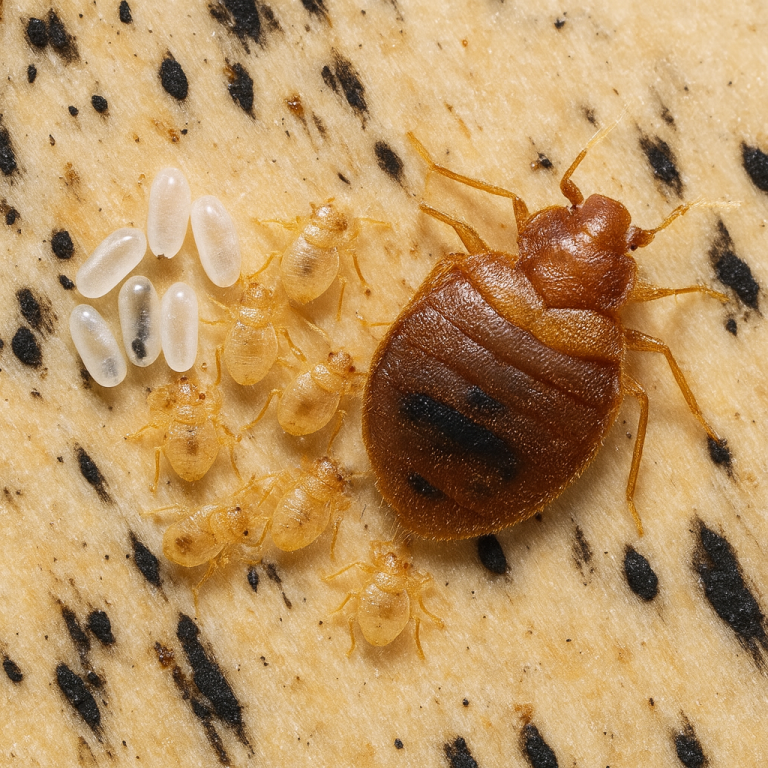
Bed bugs are often confused with other insects, so proper identification is important. Knowing what they look like can help you act before the infestation grows.
Adult Bed Bugs
- Roughly the size of an apple seed
- Flat and oval-shaped when unfed
- Reddish-brown in colour
- Become swollen and darker after feeding
Bed Bug Nymphs
- Smaller, pale, and more translucent
- Easy to miss unless recently fed
Bed Bug Eggs
- About the size of a grain of salt
- White or pearly
- Found in tight cracks or seams
Bed bugs do not jump or fly. They crawl and use their small, flat bodies to hide in tight spaces that most people overlook during regular cleaning.
Signs of Bed Bug Activity in Your Home
Because bed bugs are nocturnal and prefer to hide during the daytime, most people do not see them directly. Instead, they notice symptoms of their activity.
Bites on Skin
Bed bug bites usually appear in clusters or lines. They may be itchy, red, or swollen. Not everyone reacts, so the absence of visible bites does not mean bed bugs are not present.
Small Blood Stains on Sheets
After feeding, bed bugs may leave behind faint blood smears on pillowcases or bedding.
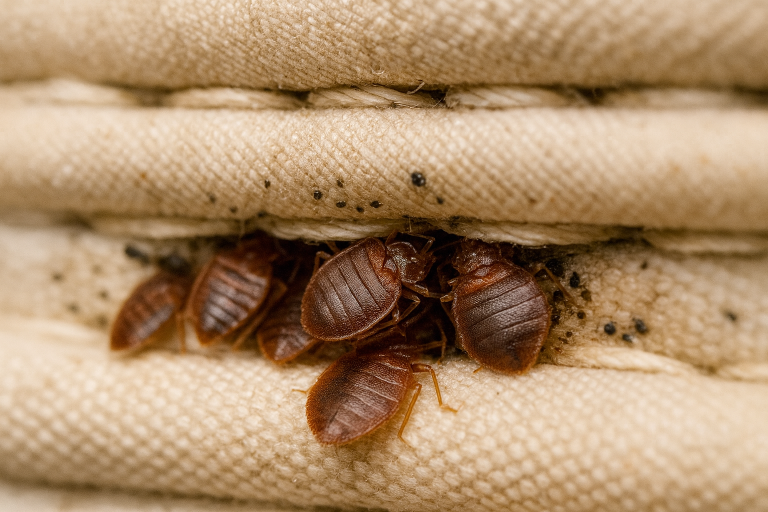
Dark Specks on Mattresses or Furniture
These specks are bed bug feces. You may find them:
- Along mattress seams
- On box springs
- Behind headboards
- On bed frames
Shed Skins
As bed bugs grow, they shed their exoskeletons. These thin, shell-like skins accumulate around hiding locations.
Musty Odour
Large infestations may produce a sweet or musty smell caused by bed bug scent glands.
Visible Bugs
In advanced infestations, you may spot bed bugs in mattress folds, behind baseboards, or on furniture.
Where Bed Bugs Hide
Bed bugs hide wherever people rest or spend long periods of time. This includes bedrooms and living rooms, but they can spread to almost any room depending on conditions.
Common hiding spots include:
- Mattress seams and tags
- Box springs
- Bed frames and headboards
- Nightstands
- Couch cushions
- Behind electrical outlets
- Inside cracks along baseboards
- Around carpet edges
- Behind loose wallpaper or wall décor
In multi-unit buildings, bed bugs can spread easily between apartments through walls, electrical wiring, hallways, and shared laundry facilities.
Why Bed Bugs Are a Growing Issue in Hamilton
Hamilton has seen increasing bed bug problems for several reasons, including:
High Levels of Local and International Travel
Bed bugs hitch rides in luggage, clothing, purses, and even backpacks. Frequent travel increases the chance of accidentally bringing them home.
Apartment-Dense Neighbourhoods
Hamilton’s many rental buildings make it easier for bed bugs to spread between units, especially in older buildings with shared heating, electrical pathways, and plumbing.
Second-Hand Furniture and Clothing
Used mattresses, couches, or furniture from online marketplaces or curbside pickups often harbour bed bugs.
Increased Resistance to DIY Products
Modern bed bugs have developed resistance to many store-bought sprays, making over-the-counter products largely ineffective.
Difficulty Detecting Early-Stage Infestations
Bed bugs reproduce quickly and hide extremely well. By the time someone notices bites or activity, bed bugs may already be established.
How Bed Bugs Spread in Homes and Apartment Buildings
Understanding how bed bugs travel helps stop an infestation from getting worse.
Through Luggage and Clothing
One of the most common ways bed bugs spread is by latching on to personal items used during travel.
Through Shared Walls and Utilities
In apartment buildings, bed bugs crawl through cracks, along wiring, or through vents and baseboards.
Through Used Furniture
Mattresses, sofas, dresser drawers, and bed frames can all harbour hidden eggs or adult bugs.
On Guests’ Belongings
Visitors may bring bed bugs unknowingly on coats, purses, or backpacks.
Through Laundry Facilities
Shared laundry rooms can allow limited spreading if infested items touch surfaces or baskets.
Once they enter a home, bed bugs can travel room to room, hiding during the day and feeding at night.
How to Eliminate Bed Bugs Quickly and Effectively
Because bed bugs multiply quickly and resist many DIY treatments, professional pest control is almost always required. However, there are steps homeowners can take to slow the spread while waiting for treatment.
Do Not Move Items From Room to Room
Moving blankets, clothing, or furniture spreads bed bugs throughout the home. Keep items contained until inspected.
Wash and Dry Bedding and Clothing on High Heat
Bed bugs and eggs cannot survive high temperatures. Wash fabrics in hot water and dry on the highest heat setting.
Declutter to Remove Hiding Spots
Bed bugs hide in clutter. Removing unnecessary bags, boxes, and clothing makes treatment more effective.
Avoid DIY Sprays and Foggers
Store-bought foggers often push bed bugs deeper into cracks and can make the problem worse. Many bed bugs are resistant to consumer-grade products.
Vacuum Thoroughly and Often
Vacuuming helps reduce the number of live bugs. Vacuum:
- Mattress seams
- Upholstered furniture
- Carpets and baseboards
- Cracks where bugs hide
Empty the vacuum outdoors immediately into a sealed bag.
Work With a Professional Bed Bug Control Company
Hamilton residents should rely on licensed pest control professionals because proper bed bug treatment requires:
- Two treatments spaced 21 days apart
- Specialized insecticides and growth regulators
- Knowledge of hiding spots
- Professional-grade equipment
- Full home inspections
Professionals ensure that all bed bug life stages are treated, from eggs to adults.
How Professional Bed Bug Treatment Works
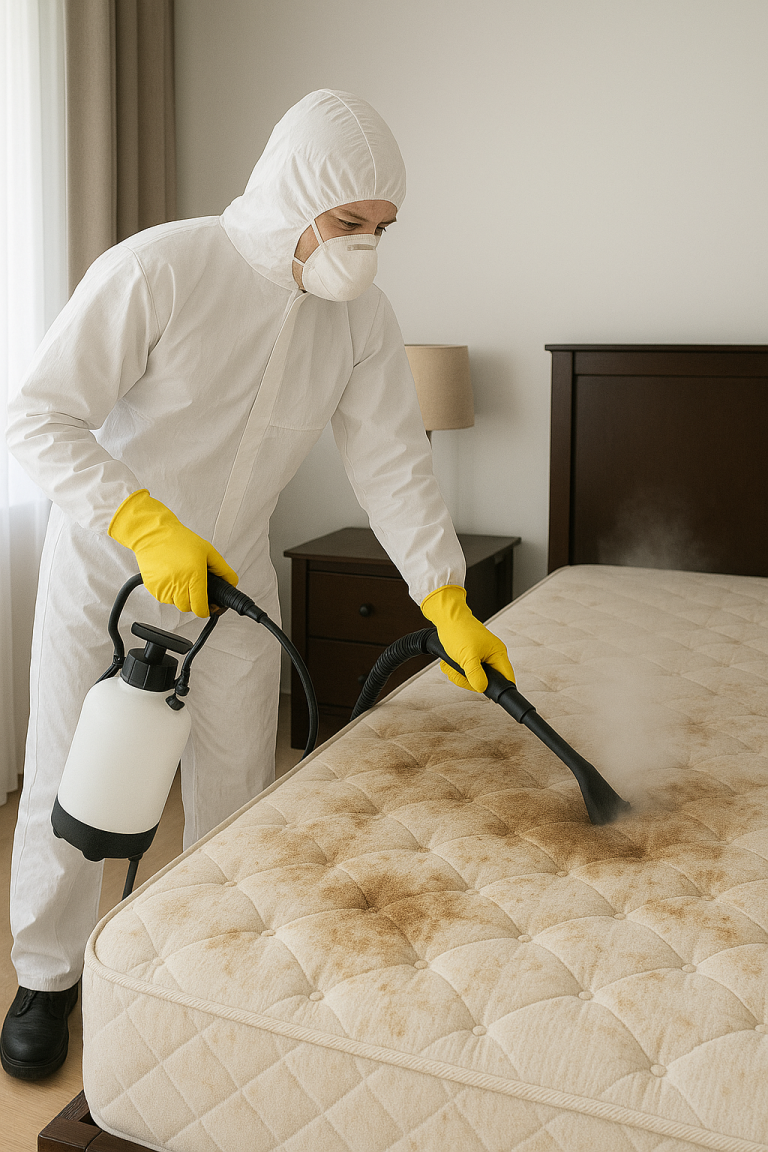
Elite pest-control technicians follow a methodical system to eliminate bed bugs quickly:
Step 1: Complete Inspection
Technicians check all furniture, cracks, mattress areas, and high-risk zones.
Step 2: Preparation
Homeowners complete prep work such as washing bedding, decluttering, and organizing belongings.
Step 3: First Treatment
The first visit targets active bugs and disrupts their breeding cycle.
Step 4: Monitoring Period
Over the next 21 days, remaining eggs hatch and are exposed to treatment zones.
Step 5: Second Treatment
A second visit ensures full eradication.
Optional: Additional Visit
Some heavier infestations require a third treatment to ensure everything is eliminated.
Professionals also advise on prevention to stop infestations from returning.
How to Prevent Bed Bugs in the Future
Once bed bugs are gone, the following steps help reduce the chances of them returning:
- Inspect luggage after travel
- Avoid bringing used furniture into your home
- Use mattress and box spring encasements
- Keep clutter to a minimum
- Check hotel rooms before sleeping
- Keep your bed slightly away from walls
Bed bug prevention is easier than dealing with a full infestation, so proactive habits go a long way.
Preventing bed bugs while travelling
- Before you unpack in a hotel or rental, check the mattress seams, headboard and luggage rack for bed bugs, shed skins or dark spots.
- Keep suitcases on a luggage rack or hard surface, off the floor and away from the bed.
- When you get home, wash and dry your travel clothes on high heat, and inspect your luggage before putting it away.
- Inspect second-hand furniture carefully before bringing it inside. Used mattresses and upholstered furniture carry the highest risk.
Say Goodbye to Bed Bugs!
Bed bugs are stressful, stubborn, and disruptive, but they don’t have to take over your home. With fast action and professional help, you can get back to sleeping comfortably. If you suspect bed bug activity or want expert treatment you can rely on, Elite Pest & Wildlife Removal is ready to help.
Call (289) 799-8718 or visit www.elitepestandwildlife.ca to book your bed bug treatment today.