
admin · February 3, 2026
Scheduling a pest control visit is an important step toward protecting your home, but many homeowners are unsure what to do before the technician arrives. Proper preparation plays a major role in the success of any treatment. When a home is prepared correctly, technicians can work more efficiently, treatments are more effective, and long-term results improve.
Preparation does not have to be overwhelming. Most pest control visits require only a few practical steps that help eliminate obstacles, reduce pest hiding spots, and protect personal belongings. This guide explains how to prepare your home for a pest control visit, why each step matters, and what to expect before, during, and after the service.
Why Preparing Your Home Matters
Pests hide in cracks, crevices, and areas that are often difficult to reach. If those spaces are blocked by clutter, grease, or stored items, treatments may not reach the areas where pests live and travel. Homes that are not prepared often require repeat visits or extended treatment plans.
Proper preparation helps by:
- Giving technicians clear access to problem areas
- Allowing products to reach pest harborages
- Reducing the chance of pests spreading during treatment
- Protecting food, dishes, and personal items
- Improving the overall effectiveness of the service
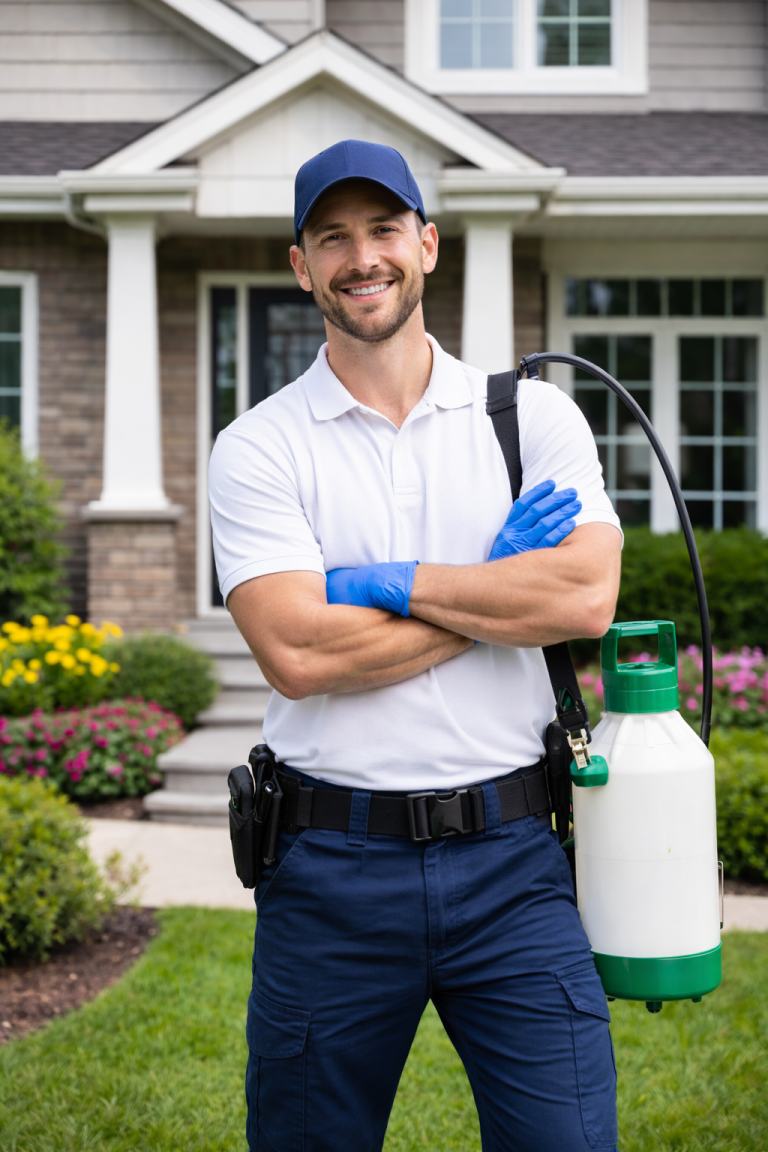
General Preparation Steps for Most Pest Control Visits
While every pest and service type is different, these general steps apply to most pest control appointments.
Clean Key Areas of the Home
You do not need to deep clean the entire house, but basic cleaning in problem areas is essential. Remove crumbs, grease, and food residue. Pests are drawn to food sources, and cleaning helps treatments work more effectively.
Focus on:
- Kitchen counters and floors
- Inside cabinets where pests are active
- Under sinks and around plumbing
- Baseboards and corners
Clear Access to Walls and Baseboards
Technicians often apply treatments along baseboards, cracks, and entry points. This allows the technician to treat areas where pests typically travel.
Before the visit:
- Move furniture 6–12 inches away from walls
- Clear clutter from floor edges
- Remove items stored against baseboard
Empty or Organize Cabinets When Requested
For treatments involving ants, cockroaches, or bedbugs, you may be asked to empty specific cabinets or drawers. Not all services require this step, so always follow the preparation instructions provided by your pest control company.
If instructed:
- Remove items from affected cabinets
- Place items in sealed containers or boxes
- Keep them off the floor and away from treated areas
Secure Food and Dishes
This step is especially important for kitchen and pantry treatments. To prevent contamination and reduce attraction:
- Store food in sealed containers
- Remove items from countertops
- Cover or store pet food
- Put away dishes and utensil
Prepare Pets and Children
Safety is a top priority during pest control visits. Your technician will provide guidance on when it is safe to re-enter treated areas.
Before the technician arrives:
- Arrange for pets to be confined or temporarily removed if required
- Secure pet toys, bedding, and food bowls
- Keep children away from treatment areas
Preparation for Specific Pest Treatments
Different pests require different preparation steps. Below are common scenarios homeowners encounter.
Preparing for Ant or Cockroach Treatments
These pests are commonly found in kitchens and bathrooms.
Recommended steps:
- Clean grease and food residue thoroughly
- Empty cabinets only if instructed
- Fix leaky pipes and reduce moisture
- Avoid using household insect sprays before the visit
Store-bought sprays can interfere with professional treatments and reduce effectiveness.
Preparing for Bed Bug Treatments
Bed bug treatments require more detailed preparation due to how easily they spread. Follow the preparation checklist exactly as provided. Incomplete prep is one of the most common reasons bed bug treatments fail.
Typical steps may include:
- Washing and drying bedding on high heat
- Bagging clean items in sealed bags
- Clearing floor clutter
- Moving beds slightly away from walls
- Emptying nightstands and nearby drawers
Preparing for Rodent Control Visits
Rodent inspections and treatments focus on entry points and travel paths. Technicians may need access to attics, crawl spaces, and exterior areas.
Before the visit:
- Clear items from garage and basement floors
- Remove clutter along walls
- Store food securely
- Clean up droppings only if instructed
Preparing for Flea Treatments
Fleas often live in carpets, upholstery, and pet resting areas.
Preparation may include:
- Vacuuming thoroughly
- Washing pet bedding
- Removing clutter from floors
- Ensuring pets are treated with veterinarian-approved flea control
Skipping pet treatment can cause fleas to return quickly.
Preparing for Wildlife or Exterior Treatments
Wildlife inspections often focus on attics, rooflines, and exterior structures. Outdoor preparation helps technicians identify entry points and den sites efficiently.
Homeowners should:
- Clear access to attic hatches
- Unlock gates and sheds
- Secure pets indoors
- Remove items blocking foundation walls
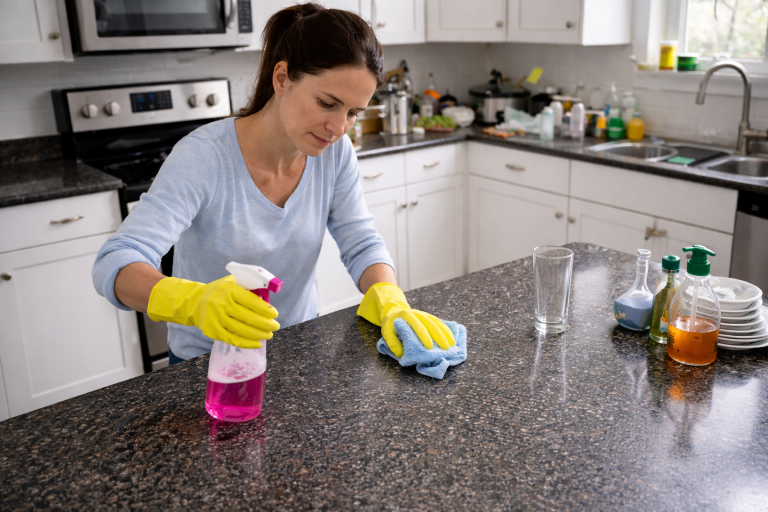
What Not to Do Before a Pest Control Visit
Professional treatments are designed to work without interference from household products. Certain actions can reduce the effectiveness of treatment.
Avoid:
- Spraying store-bought insecticides
- Using foggers or bombs
- Over-cleaning treated areas right before service
- Blocking access to problem areas
What to Expect During the Visit
Do not hesitate to point out areas where you have noticed pests. During the service:
- The technician will inspect problem areas
- Treatments will be applied strategically
- Safety instructions will be reviewed
- You may be asked questions about pest activity
After the Pest Control Visit
Post-treatment care is just as important as preparation. Some pests become more visible shortly after treatment as they are flushed from hiding spots. This is normal and temporary.
After the visit:
- Follow re-entry instructions carefully
- Avoid mopping or wiping treated areas unless advised
- Continue cleaning and sanitation practices
- Monitor for changes in pest activity
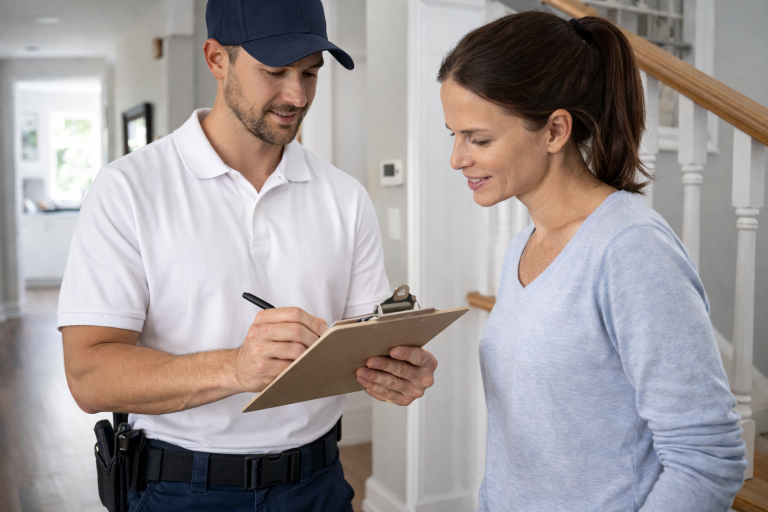
Communication Makes a Big Difference
Every home and pest situation is unique. The best way to prepare is to communicate openly with your pest control provider. Clear communication ensures the service goes smoothly and safely.
Ask questions such as:
- What areas need preparation?
- Do cabinets need to be emptied?
- How long should pets be kept away?
- When is it safe to clean treated areas?
Let’s Get Your Home Prepared
A little preparation goes a long way when it comes to effective pest control. Clearing access, reducing clutter, and following simple prep steps allow treatments to work faster and last longer. Whether you’re dealing with insects, rodents, or wildlife, the right preparation sets the stage for success.
Book your pest control service with Elite Pest and Wildlife Removal and let our experienced team take care of the rest so you can enjoy a cleaner, safer, pest-free home with confidence.