
admin · June 22, 2026
Soffits and roof vents are two of the most common entry points for wildlife in residential homes. They are designed to protect your attic, provide ventilation, and keep the structure sealed, but over time they become vulnerable. In Hamilton and surrounding areas, raccoons, squirrels, birds, bats, and even rodents regularly exploit weak soffits and vents to gain access to attics and wall spaces.
Many homeowners are surprised to learn how easily wildlife can get in. A small gap, loose panel, or damaged vent cover is all it takes. Once animals find a way inside, they often return year after year. Understanding how wildlife enters through these areas helps you spot problems early and prevent costly damage.
Why Soffits and Roof Vents Are Targeted
Wildlife does not choose entry points randomly. Animals look for locations that offer easy access, protection, and minimal resistance. Soffits are the horizontal panels located beneath the eaves of your roof. They are commonly made from aluminum, vinyl, or wood and are designed to close off the roofline while allowing airflow. However, they are not built to withstand persistent chewing, pulling, prying, or the weight of larger animals.
Roof vents serve a different purpose by allowing air to circulate through the attic. Many vents are protected by plastic or lightweight metal covers that gradually weaken after years of exposure to sunlight, rain, snow, and fluctuating temperatures. To wildlife, both soffits and roof vents represent relatively thin barriers separating them from a warm, quiet attic.
The Natural Behaviour That Drives Wildlife Inside
Wildlife enters homes for the same reasons people seek shelter. Attics provide warmth, protection, and security. Heat naturally rises from the living space below, making attics particularly attractive during colder months. The attic also provides protection from predators and human activity while offering shelter from rain, snow, and wind.
For many species, attics provide ideal nesting conditions. Soffits and vents often lead directly to protected areas where animals can safely raise their young. Once wildlife discovers an easy access point, it rarely passes up the opportunity.
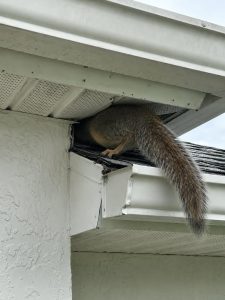
How Raccoons Enter Through Soffits and Vents
Raccoons are among the most common causes of soffit and roof vent damage. Their strength and dexterity allow them to manipulate building materials in ways many homeowners would not expect.
Using their front paws almost like hands, raccoons can pull down loose soffit panels, tear apart vulnerable corners where soffits meet fascia boards, bend metal vent covers, and even rip apart weakened roof vents. Some raccoons are capable of lifting shingles and accessing roof decking if they detect a weakness. Once a raccoon identifies an entry point, it will often continue using and enlarging it until access becomes easy and reliable.
How Squirrels Get In
Although squirrels are smaller than raccoons, they can be even more destructive in certain situations. Their constantly growing teeth require continual chewing, which means they naturally gnaw on building materials.
Squirrels frequently chew through soffit panels, fascia boards, roof vent covers, and small roofline gaps. What begins as a tiny opening may gradually become a large entry hole as squirrels repeatedly enlarge the area over time. Because the early damage is often subtle, homeowners may not notice the problem until squirrels have fully established themselves inside the attic.
How Birds Use Vents and Soffits
Birds commonly take advantage of damaged vents and soffits when looking for nesting locations. Roof vents, bathroom vents, and dryer vents provide excellent protection from rain and wind while allowing warm air to circulate around nesting materials.
Loose soffit sections can also create ideal cavities for nesting. Once birds move in, they often bring large amounts of grass, twigs, leaves, feathers, and debris into the structure. Over time, these materials can obstruct airflow, damage ventilation systems, and even create potential fire hazards.
How Bats Access Roof Vents and Soffits
Unlike raccoons and squirrels, bats do not rely on chewing or tearing building materials. Instead, they exploit incredibly small gaps. Bats can enter through openings no larger than a fingertip. Common access points include gaps between soffits and fascia boards, seams around roof vents, construction gaps, and small openings where roofing materials meet siding. Because bats enter quietly and leave very little visible damage, infestations can remain undetected for long periods.
How Rodents Use Vents and Soffits
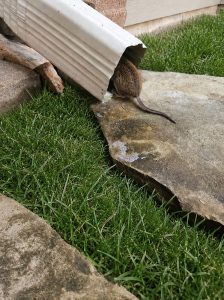
Mice and rats are excellent climbers and can easily scale brick walls, siding, downspouts, and utility lines. Once they reach the roofline, rodents often exploit gaps around vent pipes, loose soffit edges, deteriorated fascia boards, and openings where utility lines enter the structure. After gaining access, they frequently move through attics, wall voids, and other hidden areas throughout the home.
Why These Areas Become Weak Over Time
Even well-constructed homes eventually develop vulnerabilities. Weather is one of the primary causes of deterioration. Wind, rain, snow, and ice gradually weaken soffits and vents, while severe storms can loosen panels or crack vent covers. Prolonged sun exposure also degrades vinyl and plastic materials, causing them to become brittle and easier for wildlife to damage.
The age of the home can also be a factor. Older homes often contain wood soffits or outdated vent designs that are easier for animals to breach. Poor installation practices can create additional weaknesses, especially if soffits and vents were never properly secured. Previous wildlife activity further increases the risk, as damaged areas become increasingly vulnerable to future intrusions.
Common Signs Wildlife Is Entering Through Soffits or Vents
Early detection can help prevent extensive damage. Exterior warning signs often include bent or hanging soffit panels, chewed materials, gaps along the roofline, damaged vent covers, missing vent screens, shingles that appear lifted, or debris scattered below the roof edge.
Inside the home, homeowners may hear scratching, thumping, scurrying, or movement within the attic or walls. Other signs include droppings, nesting materials, unusual odours, or visible contamination in attic spaces. These indicators often point to active wildlife entry.
Why Wildlife Returns to the Same Spots
Wildlife frequently returns to previously successful entry points. Animals leave scent markers that help them relocate access points and can even attract other animals to the same location. If a raccoon or squirrel has successfully raised young in an attic, they will often attempt to return during future breeding seasons. Additionally, once an area has been damaged, it becomes easier for wildlife to exploit the same weakness again. This is why proper repairs and reinforcement are so important.
The Damage Wildlife Causes Once Inside
Entry through a soffit or vent is often only the beginning of the problem. Once inside, wildlife can tear insulation, chew electrical wiring, damage framing materials, block vents, create large nests, and contaminate attic spaces with urine and feces. Roofline breaches may also allow water intrusion, resulting in additional structural damage. The longer wildlife remains inside the home, the more extensive and expensive the repairs often become.
Health and Safety Risks
Wildlife infestations create more than structural concerns. Animals frequently introduce parasites such as fleas, ticks, mites, and lice into the home. Their droppings and urine can contain bacteria and pathogens that affect indoor air quality.
Chewed electrical wiring presents a significant fire hazard, while contaminated insulation can spread odours and airborne particles throughout the house. These risks make prompt action essential whenever wildlife activity is suspected.
Why DIY Repairs Often Fail
Many homeowners attempt to repair damaged soffits or vents themselves, but these repairs are often temporary. Common mistakes include using materials that animals can easily chew through, overlooking secondary entry points, sealing openings while animals are still inside, or failing to reinforce surrounding vulnerable areas. Wildlife quickly exploits weak repairs and often reopens previously patched areas.
How Professional Wildlife Exclusion Works
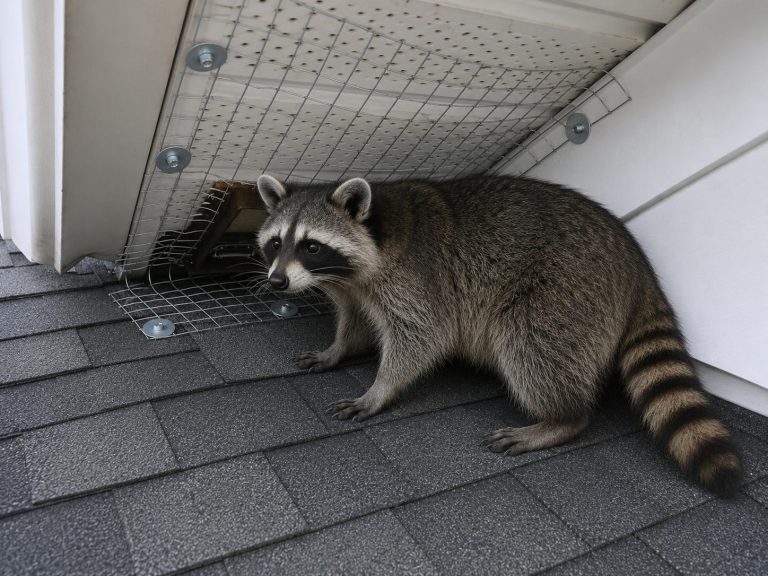
Professional wildlife control focuses on both humane removal and long-term prevention. A thorough inspection identifies active entry points, secondary vulnerabilities, the species involved, the presence of babies, and the extent of any damage. Once the situation is understood, technicians install one-way exclusion devices that allow animals to leave safely without re-entering.
After removal, all entry points are sealed using wildlife-resistant materials. Soffits, vents, fascia boards, and other vulnerable areas are reinforced to prevent future access. Additional protective measures such as chimney caps, vent covers, and exclusion barriers may also be installed.
Why Timing Matters
The timing of wildlife removal is extremely important. Different species require different approaches depending on the season and whether young animals are present. During baby season, special handling procedures may be necessary to avoid separating mothers from their offspring. Some species, including bats, are protected under specific regulations that dictate when removal can occur. Professional inspections ensure the appropriate removal strategy is used.
How to Reduce the Risk of Soffit and Vent Entry
Homeowners can take several preventative measures to reduce the likelihood of wildlife problems. Regular roofline inspections, prompt repairs of damaged panels, trimming tree branches away from the roof, keeping gutters clean, checking vents after storms, and securing food sources around the property can all help discourage wildlife activity. While these measures reduce risk, they do not replace professional inspections and exclusion work when active wildlife is present.
When to Book a Wildlife Inspection
A professional wildlife inspection is recommended if you hear noises in the attic, notice damage around soffits or roof vents, discover droppings or nesting materials, detect strong animal odours, observe unusual pet behaviour directed toward ceilings or walls, or have experienced wildlife problems in the past. Early intervention can prevent extensive repairs and significantly reduce the overall cost of resolving the problem.
Stop Wildlife at the Door Before the Damage Spreads
Soffits and roof vents are among the most vulnerable areas of any home. Once wildlife finds a way inside, it rarely leaves on its own. The longer animals remain, the more damage they cause and the more difficult the problem becomes to solve.
Proper inspection, humane removal, and professional repairs are the only reliable ways to protect your home from future wildlife intrusions. If you suspect animals are entering through your soffits or roof vents, do not wait for the damage to worsen. Reach out to our team to book your professional wildlife removal with Elite Pest and Wildlife Removal today and let our experienced team safely remove the animals, repair the damage, and secure your home against future infestations.